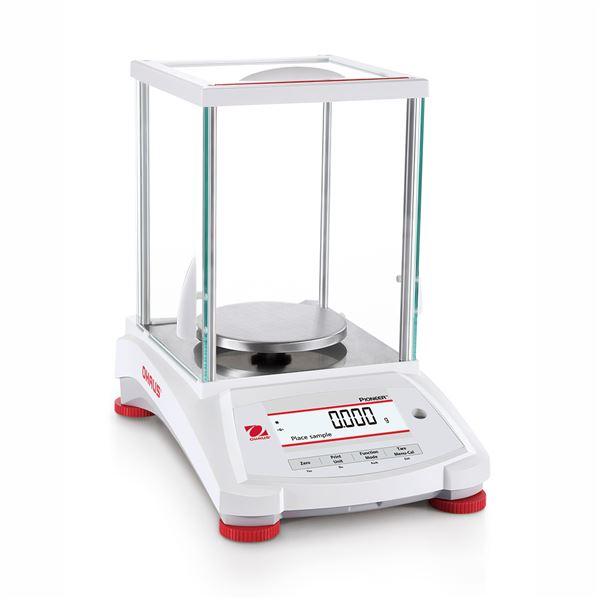

An analytical balance is a high-precision laboratory instrument designed to measure very small masses with exceptional accuracy. Analytical balance measures are precise instruments used for quantifying mass with high accuracy, making them indispensable in scientific settings. These balances typically offer readability from 0.1 mg (0.0001 g) or better, making them essential for laboratory applications where exact measurements are critical. Analytical scales are specialized precision measuring instruments used for high-accuracy measurements in labs, particularly in chemistry and pharmaceuticals. Laboratories looking for high-accuracy instruments often choose models from the analytical balances collection for reliable performance.
Analytical balances are widely used in pharmaceutical labs, research facilities, universities, chemical testing labs, and quality control environments. Because even tiny measurement errors can impact results, laboratories rely on analytical balances to ensure accuracy, repeatability, and compliance. Analytical balances are essential for quantitative analysis and sample analysis in laboratory procedures, supporting precise measurement and data accuracy for scientific experiments.
Industries such as pharmaceuticals and food production use analytical balances to monitor raw materials and finished products. These instruments are indispensable for research and development, chemical analysis, and educational labs. Analytical balances are critical tools that impact everything from drug development to material engineering, providing accurate mass measurements essential for scientific research.
Key Features Of Analytical Balances For Labs
Analytical balances include several advanced features designed to improve measurement accuracy. Most models include a draft shield enclosure to prevent airflow interference during weighing. They also feature high-resolution sensors, offering fine readability and the ability to display measurements with multiple decimal places, which is essential for precise laboratory work. Internal calibration systems, anti-vibration designs, and digital touch displays are also common. The measurement scale of an analytical balance is crucial, and proper calibration ensures repeatable data, providing consistent and reliable results across experiments. Many analytical balances include automatic calibration, RS-232 or USB connectivity, and GLP/GMP data output. These features help laboratories maintain precision, reduce user error, and improve workflow efficiency. Some models also include density determination, parts counting, and percentage weighing modes. Labs comparing models often review options from Ohaus analytical balances and Sartorius analytical balances. The accuracy of analytical balances is closely related to their linearity, which ensures consistent measurements across the entire measurement scale.
Understanding Analytical Balance Technology
Analytical balance technology is engineered to deliver highly precise measurements, often with a readability of 0.001 g or better. This level of precision is indispensable for quantitative chemical analysis, where accurate mass measurements are crucial for reliable results. The analytical balance operates using electromagnetic force restoration, a sophisticated mechanism that detects even the slightest variations in mass. When a sample is placed on the weighing pan, the system generates an electromagnetic force to counterbalance the sample’s weight, ensuring highly precise measurements.
To further enhance accuracy, the balance is typically enclosed in a transparent draft shield. This shield protects the weighing pan from air currents and other environmental disturbances that could affect measurement stability. For laboratory professionals, understanding how the analytical balance operates—and how features like the draft shield contribute to accuracy—is essential for achieving consistent, reliable data in chemical analysis and other scientific applications.

How An Analytical Balance Works For Scientific Research
Analytical balances operate using electromagnetic force restoration technology. When a sample is placed on the weighing pan, the balance detects the mass and generates an opposing electromagnetic force. Analytical balances measure mass by converting the mechanical force exerted by the object into an electrical signal, often using a load cell. Many modern analytical balances use electromagnetic force restoration (EMFR) for precise digital readings. This force is measured and converted into a highly accurate digital reading. Because analytical balances measure extremely small differences in mass, they require stable environmental conditions. This technology allows researchers to measure powders, chemicals, and samples with high repeatability. The result is consistent data for laboratory analysis and scientific research.
Environmental Factors That Affect Analytical Balance Performance
Environmental conditions can significantly impact analytical balance accuracy. Air drafts, temperature fluctuations, vibrations, and humidity can all influence measurements. Analytical balances are highly sensitive instruments, meaning even minor environmental changes can affect their measurement accuracy. Analytical balances should be placed on stable weighing tables away from doors, windows, and HVAC vents. Static electricity and airflow can also cause unstable readings. Maintaining a controlled environment improves measurement reliability. Using anti vibration tables for balances and draft shields further enhances performance. Analytical balances are used in both scientific research and industrial applications where high precision is required.
Minimizing Interference For Reliable Measurements
Achieving reliable measurements with an analytical balance requires minimizing interference from several factors that can affect measurement accuracy. Air currents, static electricity, and temperature fluctuations are common sources of error in laboratory settings. To reduce these influences, it’s important to position the balance on a stable, vibration-free surface, away from foot traffic and air conditioning vents that can introduce unwanted movement or airflow.
Utilizing a draft shield is crucial for protecting the weighing chamber from air currents, while anti-vibration tables help isolate the balance from external vibrations. Regular calibration and maintenance are also key to maintaining measurement accuracy over time. By proactively addressing these factors, laboratory professionals can ensure that their analytical balance delivers accurate, repeatable results for every measurement.

Sample Handling And Best Practices
Proper sample handling is critical when using an analytical balance. Samples should be handled using tweezers or gloves to avoid contamination and temperature transfer. Always allow samples to reach room temperature before weighing. Use weighing paper, boats, or containers to prevent spills and contamination. When weighing chemicals or samples, always tare the container before adding the sample to ensure that only the sample's mass is measured, which helps avoid contamination and inaccuracies. Avoid touching samples directly with hands. Carefully placing samples in the center of the weighing pan improves repeatability and measurement accuracy.
Using The Draft Shield Correctly
The draft shield is one of the most important components of an analytical balance. It protects the weighing chamber from airflow and environmental disturbances. The draft shield door is a key component that should be gently opened and closed to prevent air movement that could affect the measurement. The draft shield protects the sample from air currents and environmental disturbances, ensuring measurement stability and accuracy. This transparent enclosure is essential for maintaining measurement accuracy. Always close the draft shield doors before recording measurements. Open the doors gently to prevent air movement. Allow readings to stabilize before documenting weight. Proper draft shield use ensures consistent and reliable measurements. Analytical balances are typically housed within a transparent draft shield to prevent air currents from affecting their ultra-sensitive measurements, ensuring accuracy and stability.
Precision Balances Vs Analytical Balances: Choose The Right Balance
Precision balances and analytical balances both provide accurate weighing, but they serve different purposes. Analytical balances offer higher readability, typically 0.1 mg, and include draft shields for stability. Precision balances offer readability from 0.001 g to 0.01 g and are better suited for larger samples. Another type, top loading balances, are versatile instruments designed for weighing larger quantities with less precision than analytical balances, Labs comparing equipment often review precision balances for laboratory weighing before choosing. Laboratories requiring ultra-accurate measurements should choose analytical balances. Laboratories requiring ultra-accurate measurements should choose analytical balances. For general weighing, precision balances may be sufficient. Choosing the correct balance depends on your application and accuracy requirements.

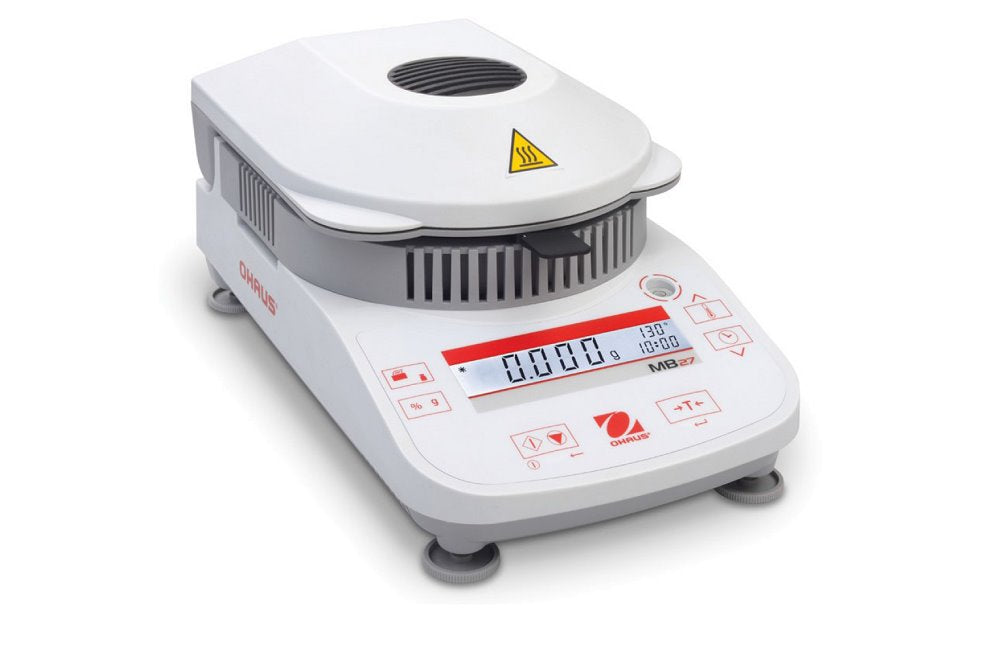
Laboratory balances can be categorized into several types, including analytical balances, precision balances, semi-micro balances, and moisture balances, each designed for specific applications and accuracy requirements.
Maximum Capacity And Maximum Weight Considerations
When selecting an analytical balance, capacity is an important factor. Analytical balances typically range from 80 g to 320 g maximum capacity. Choosing a balance with appropriate capacity prevents overload and improves accuracy. Laboratories weighing small samples should prioritize readability over capacity. If larger samples are needed, consider higher capacity models. Matching capacity to application ensures optimal performance.
Enhancing Balance Performance In The Lab
Optimizing the performance of your analytical balance is vital for quality control and scientific research. Selecting a balance equipped with advanced technology—such as internal calibration and automatic draft shield doors—can streamline workflows and reduce the risk of user error. Regular maintenance, including thorough cleaning and scheduled calibration, helps maintain the accuracy and longevity of the balance.
Using certified weights for calibration and adhering to proper sample handling procedures further minimize the risk of inaccurate measurements. By focusing on these best practices, laboratory professionals can enhance the reliability of their balance, ensuring that every measurement meets the high standards required for scientific research and quality control applications.
Accessories And Upgrades For Laboratory Balances
Several accessories can improve analytical balance performance. Anti-vibration tables reduce external interference. Ionizers eliminate static electricity. Printer modules allow documentation of measurements. Density kits support advanced analysis. Calibration weights help maintain accuracy. Standard weights are used for manual calibration, ensuring measurement accuracy and eliminating errors before use. Laboratories often use analytical balance calibration weights to maintain measurement accuracy. These accessories enhance usability and measurement consistency in laboratory environments.
Moisture balances, also known as moisture analyzers, are specialized balances used to determine the moisture content in samples by measuring weight loss during heating, which is crucial in industries like food and pharmaceuticals.
Calibration, Maintenance, And Quality Assurance
Regular calibration is essential for analytical balance accuracy. Many modern balances include internal calibration systems that adjust automatically. External calibration weights can also be used for verification. Regular calibration ensures the accuracy and reliability of weight readings from the analytical balance. Routine cleaning prevents contamination. Periodic maintenance ensures long-term performance. Calibration records support quality assurance and regulatory compliance. Proper maintenance extends equipment life.
Laboratory Balance Safety: Essential Practices
Safety is a fundamental aspect of working with laboratory balances, both to protect users and to ensure accurate measurements. Laboratory professionals should always handle balances with care to prevent mechanical wear and accidental damage. Following established procedures for calibration, maintenance, and troubleshooting helps maintain the integrity of the balance and reduces the risk of errors.
Personal protective equipment, such as gloves and lab coats, should be worn to prevent contamination and protect against accidental spills. It’s also important to place the balance in a controlled environment, away from hazardous materials and extreme temperatures, to safeguard both the equipment and the user. By adhering to these essential safety practices, laboratory professionals can maintain a safe workspace and achieve consistently accurate results.

Common Laboratory Balance Issues And Troubleshooting Tips
Laboratory balances can occasionally present issues such as inaccurate measurements, calibration errors, or mechanical malfunctions. When troubleshooting, laboratory professionals should first verify that the balance is properly calibrated and that the weighing pan is clean and free from debris. Regular maintenance, including cleaning and calibration, is essential for preventing many common problems.
If issues persist, consulting the user manual or reaching out to the manufacturer’s support team can provide further guidance. By staying proactive with maintenance and following troubleshooting best practices, laboratory professionals can minimize downtime, ensure accurate measurements, and keep their balance performing at its best.
When Your Lab Needs An Analytical Balance: Use Cases
Analytical balances are used in pharmaceutical formulation, chemical analysis, environmental testing, and research laboratories. They are ideal for weighing powders, reagents, and small samples. Laboratories performing gravimetric analysis, sample preparation, and density testing require analytical balances. Any application requiring high precision benefits from analytical balance use.
Cost, ROI, And Procurement Tips To Get The Right Balance
Analytical balances vary in price depending on accuracy, brand, and features. While entry-level models are affordable, premium balances offer advanced capabilities. Investing in a quality analytical balance improves accuracy and reduces costly errors. Reliable measurements save time and materials. Laboratories should consider long-term value, durability, and calibration support when purchasing.
Quick Checklist To Buy And Set Up The Right Laboratory Balance
Before purchasing an analytical balance, determine required readability and capacity. Ensure your lab has a stable environment for installation. Consider internal calibration and connectivity options. Evaluate brand reputation and service support. Plan for accessories such as anti-vibration tables. Verify compliance requirements. This checklist helps laboratories choose the right balance.
Conclusion: Why Your Lab Needs An Analytical Balance
An analytical balance is essential for laboratories that require precise and reliable measurements. Its high accuracy, advanced features, and consistent performance make it a critical instrument for scientific work. From research labs to quality control environments, analytical balances ensure dependable data and improved workflow. Choosing the right analytical balance helps your lab maintain accuracy, efficiency, and compliance.
Frequently Asked Questions
What is an analytical balance used for in a laboratory?
An analytical balance is used to measure very small masses with high precision, typically up to 0.0001 g readability. Laboratories use analytical balances for weighing chemicals, powders, samples, and reagents where accuracy is critical. These balances are commonly used in pharmaceutical labs, research facilities, and quality control applications.
What is the difference between an analytical balance and a precision balance?
An analytical balance offers higher accuracy, usually 0.1 mg readability, and includes a draft shield to prevent airflow interference. A precision balance has lower readability, typically 0.001 g or 0.01 g, and is used for larger sample weighing. Analytical balances are ideal for sensitive measurements, while precision balances are better for general lab weighing.
Why does an analytical balance need a draft shield?
A draft shield protects the weighing chamber from air movement and environmental disturbances. Even small airflow changes can affect highly sensitive measurements. Closing the draft shield helps stabilize readings and improves measurement accuracy.
How accurate is an analytical balance?
Most analytical balances offer readability of 0.1 mg (0.0001 g), making them extremely precise. Some advanced models provide even higher sensitivity. This level of accuracy allows laboratories to perform detailed analysis and ensure consistent measurement results.