Introduction
Buying a laboratory scale can be a significant investment, and choosing the wrong one often leads to unnecessary expenses, poor accuracy, or frequent replacements. Many buyers either overspend on features they don’t need or underinvest and face performance issues later. The key to making a smart purchase is understanding your exact requirements and selecting a laboratory scale that delivers the right balance of accuracy, reliability, and cost. With the right approach, you can avoid overpaying while still getting a high-quality instrument that meets your needs. If you're exploring options, start by browsing a wide range of laboratory scales and balances
Assess Your Needs: Lab Scale Use Cases And Accuracy Requirements
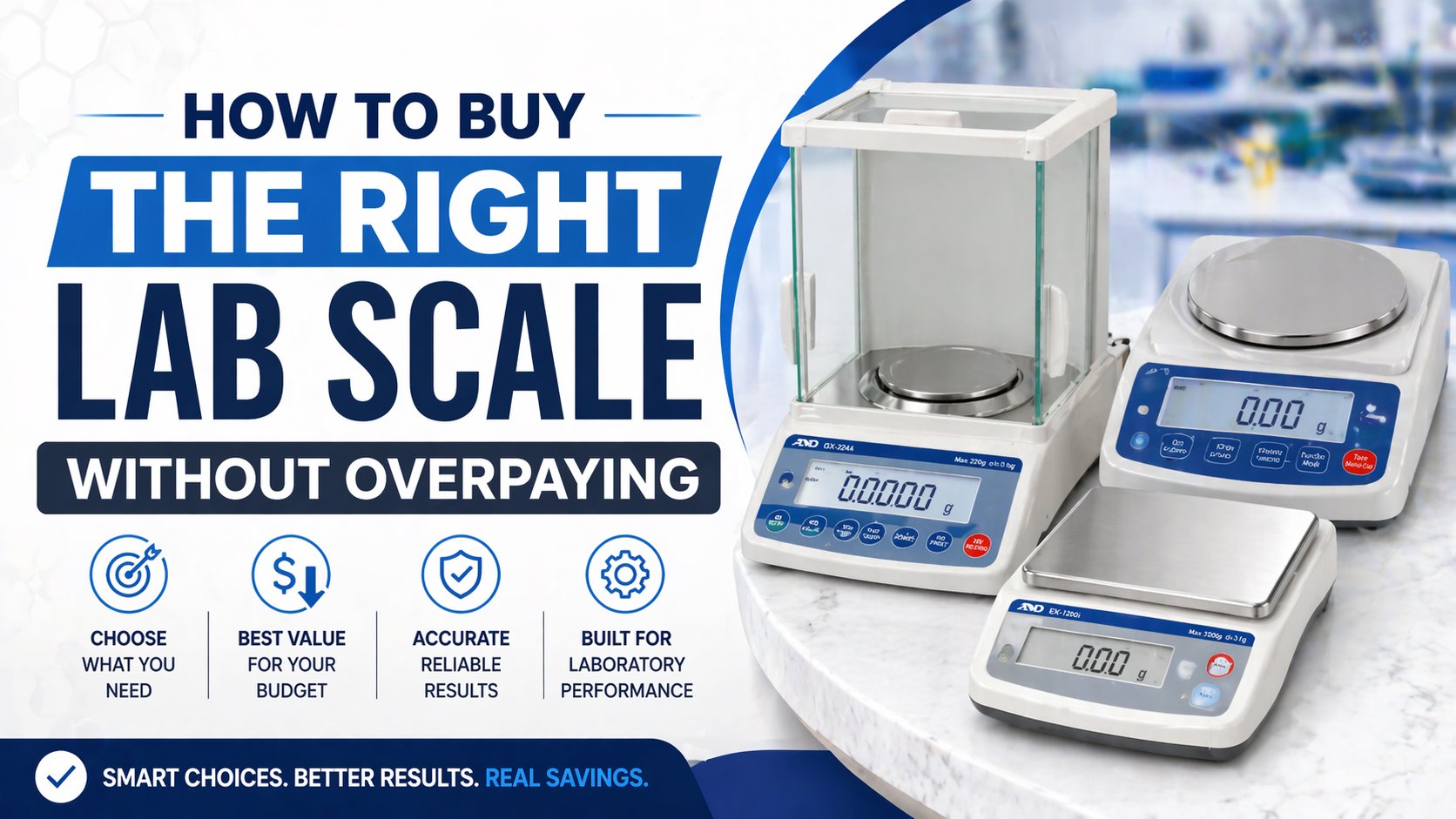
The first step in buying the right lab scale is clearly defining how it will be used. Identifying the maximum capacity and weighing capacity needed is crucial for selecting the right lab scale. Different applications require different levels of precision, and choosing a scale with higher accuracy than necessary can significantly increase costs. For routine weighing tasks, a standard precision balance may be sufficient, while research laboratories or pharmaceutical environments may require much finer measurements. For applications requiring high sensitivity, consider reviewing analytical balances for laboratory use. To select the necessary readability, determine the smallest sample weight you need to measure and the maximum capacity required for your application. For reliable accuracy, choose a balance with a readability at least 10 times smaller than your required weighing tolerance. Understanding your required readability, capacity, and frequency of use helps narrow down the options and prevents overspending on unnecessary specifications.
Types Of Laboratory Scales And Analytical Balances
Laboratory scales come in several types, each designed for specific applications. Modern options include digital balances and digital scales, which feature digital displays, internal calibration, and connectivity options like USB, Ethernet, and Wi-Fi for efficient workflow integration. In contrast, mechanical scales are traditional, durable devices often used in educational settings for their simplicity and reliability.

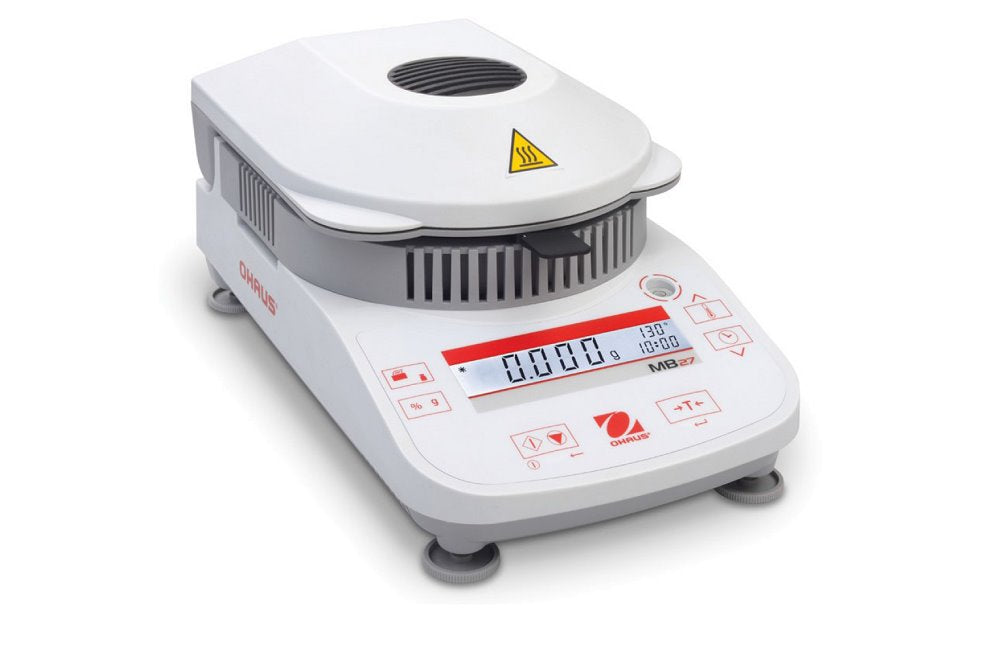
Lab balances are designed for high accuracy, and balances measure mass, which is essential for precise scientific and laboratory work. Precision balances are versatile tools that can handle weights from several grams to kilograms, making them suitable for general laboratory use and applications where extreme accuracy is not critical. You can explore top models like Ohaus analytical balance MB23. Analytical balances provide higher precision and are ideal for sensitive measurements. Semi-micro balances offer superior sensitivity with readability up to 0.01 mg, making them ideal for high-sensitivity applications such as pharmaceutical or precise chemical experiments. The capacity range of a balance or scale is an important consideration—ensure the maximum capacity matches your heaviest expected sample for accuracy and durability. Precision scales are suitable for larger or medium-sized samples in industrial or educational environments where reliable but not ultra-fine accuracy is required. There are also moisture analyzers, microbalances, and industrial scales, each suited for specialized tasks. Knowing the differences between these options ensures you select a scale that fits your workflow instead of paying extra for features you may never use.
Analytical Balance: When To Choose An Analytical Balance
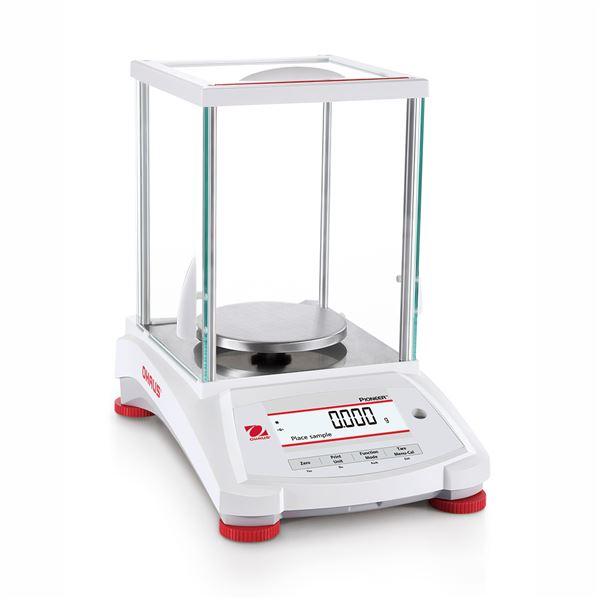
An analytical balance is the right choice when you need extremely accurate measurements, typically down to 0.0001 grams. Analytical balances offer greater precision, with readability often as fine as 0.0001g (0.1mg); readability refers to the smallest division the balance can display and is crucial for ensuring the balance meets the precision needs of specific applications. These ultra-sensitive instruments are essential in laboratories where even the smallest variation can affect results, such as in pharmaceutical, chemical, or research applications. For high-accuracy needs, consider reliable options such as Sartorius Cubis II analytical balance. Analytical balances are especially vital in the pharmaceutical industry for measuring pharmaceutical compounds during formulation and quality control. Using a draft shield is essential for maintaining measurement stability and accuracy, especially in environments with air currents, and draft shields are mandatory for analytical balances with accuracy less than 0.1mg to prevent air current interference. However, if your work does not require this level of precision, choosing an analytical balance may lead to unnecessary costs. It’s important to match the equipment to your actual needs rather than assuming higher precision is always better.
Microbalances And High Precision Options
For applications that require even greater sensitivity than analytical balances, microbalances and ultra-microbalances are available. These instruments can measure extremely small quantities with exceptional accuracy, offering readability down to 1 μg and the ability to measure weights in the microgram range. Such balances are essential for highly specialized applications like filter weighing and medical research, where precise and delicate measurements are critical. They are typically used in advanced research or specialized industries. While they offer unmatched precision, they also come at a significantly higher price point. Unless your application specifically demands this level of detail, investing in such high-end equipment may not be cost-effective.

Key Factors For Selecting The Correct Laboratory Scale
Several key factors should guide your decision when selecting a laboratory scale. An important factor influencing price is the sensitivity and readability required for your application. These include capacity, readability, repeatability, and build quality. If you're comparing models, reviewing different precision laboratory balances can help narrow down your options. Product quality and overload protection are essential for reliable measurements and long-term durability, as overload protection helps prevent damage from excessive weight and ensures consistent accuracy. Selecting a scale with features that improve efficiency, such as automation or digital controls, can streamline laboratory workflows and reduce operational costs. It’s also important to consider ease of use, stability, and durability. Scales serve different purposes depending on the weighing material and specific application requirements, so matching the scale to your needs is crucial for accurate results. For use in dusty or wet environments, choosing a scale with IP65/67 ratings is vital to prevent premature failure. A well-built scale with consistent performance is more valuable than one with excessive features that add little benefit. Focusing on core performance factors ensures you get the best value for your investment.
Weighing Range And Capacity: Matching Scale To Sample Size
Selecting the right laboratory scale starts with understanding the weighing range and capacity required for your specific laboratory applications. The weighing range refers to the maximum weight a scale can handle, while capacity often describes the smallest and largest sample sizes the scale can accurately measure. Choosing a scale with the appropriate weighing range and capacity is essential for achieving accurate measurement results and reliable performance.
For laboratories working with small samples, a precision balance with a lower capacity and higher readability is often the best choice. These scales are designed to deliver accurate measurement results for minute quantities, making them ideal for chemical analysis, pharmaceutical research, and other applications where precision is critical. On the other hand, if your workflow involves weighing larger samples or bulk materials, selecting a laboratory scale with a higher capacity ensures you can accommodate the maximum weight without sacrificing accuracy.
Analytical and precision balances are available in different capacities to suit a wide variety of laboratory applications. It’s important to assess the maximum weight of your typical samples and select a scale that not only meets but slightly exceeds this requirement to avoid overloading and ensure long-term reliability. By matching the scale’s weighing range and capacity to your sample size, you can optimize accuracy, reduce costs, and ensure your laboratory scales deliver consistent, accurate measurement results across all your tasks.
Laboratory Scale Operation: Ease Of Use And User Experience
The ease of operation and overall user experience are important factors when choosing the correct laboratory scale. Modern laboratory scales are engineered with user-friendly features such as intuitive digital displays, responsive touch screens, and automated calibration functions. These advancements make it easier for users to operate the scale, minimize the risk of human error, and streamline the weighing process, all of which contribute to improved workflow efficiency and reliable results.

Data transfer capabilities are another key consideration. Many modern laboratory scales offer connectivity options like USB, RS-232, or Ethernet, allowing for seamless transfer of weighing results to computers, printers, or laboratory information management systems. This not only enhances recordkeeping but also supports compliance and traceability in regulated environments.
The correct laboratory scale depends on factors such as the type of samples, required accuracy, and the operating environment. Selecting a scale that is straightforward to use and maintain helps laboratories achieve accurate measurement results consistently. Regular calibration, preventive maintenance, and proper handling of laboratory equipment are essential practices for maintaining accuracy and extending the lifespan of your scales. By prioritizing ease of use and robust design, you can ensure your laboratory operates efficiently and produces high-quality, reliable results every time.
Calibration Method And Maintaining Accuracy
Calibration plays a crucial role in ensuring the long-term measurement accuracy of any laboratory scale. Automatic internal calibration is a feature found in high-precision balances that maintains measurement accuracy by automatically adjusting for environmental changes such as temperature or humidity. Internal calibration is more reliable than manual calibration, as it ensures the balance adjusts automatically to maintain accuracy. Models with internal calibration self-calibrate automatically, saving time and eliminating the need for certified calibration weights. Calibration also connects measurement results to international standards, ensuring that laboratory scales provide reliable and traceable data. Additionally, maintenance tasks performed during calibration, such as removing dirt, help extend the device's lifespan and enhance its operational reliability. Some models offer internal calibration systems, while others require external weights. Internal calibration provides convenience and reduces the risk of user error, but it may increase the initial cost. External calibration can be more affordable but requires proper handling and routine checks. Choosing the right calibration method depends on your workflow and the level of accuracy required.
Installation, Environment, And Maintaining Accuracy
The environment in which a lab scale is installed has a direct impact on its performance. Controlled environments with stable temperature, humidity, and minimal vibration are essential for achieving high accuracy, especially when using highly sensitive balances such as microbalances and ultramicrobalances. Factors such as vibration, air currents, temperature changes, and humidity can affect readings. Proper placement on a stable surface, away from drafts and direct sunlight, is essential for accurate measurements. In industrial environments, robust scales may be required to withstand harsher conditions while still maintaining accuracy. Investing in the right setup can improve performance and reduce the need for costly upgrades or replacements.
Data Connectivity And Software For Laboratory Balances
Modern laboratory balances often come with data connectivity features such as USB, RS-232, or wireless integration. These features allow seamless data transfer to computers or laboratory management systems, improving efficiency and recordkeeping. While advanced software capabilities can be valuable, it’s important to evaluate whether they are necessary for your operations. Paying for complex systems that you won’t fully utilize can increase costs without adding real value.

High Precision Needs: When To Pay For Analytical Balances
There are situations where investing in a high-precision analytical balance is justified. If your work involves compliance requirements, strict quality control, or highly sensitive measurements, the added precision is essential. In these cases, paying more upfront ensures accuracy, reliability, and long-term performance. However, for general laboratory tasks, a precision balance may provide sufficient accuracy at a lower cost.
Avoid Overpaying: Budgeting And Total Cost Of Ownership
Avoiding overpayment requires looking beyond the initial purchase price. Consider the total cost of ownership, including maintenance, calibration, repairs, and potential downtime. A cheaper scale may seem attractive initially but could lead to higher long-term costs if it lacks durability or accuracy. Investing in a reliable, well-supported product often results in better value over time.
Create A Buyer’s Shortlist For Laboratory Scales
Creating a shortlist of suitable laboratory scales helps simplify the decision-making process. Compare models based on your requirements, focusing on performance, reliability, and price. Narrowing your options to a few well-matched choices prevents confusion and allows you to make a more confident decision without overspending.
Comparison Checklist: Laboratory Balance Features To Validate
Before making a final purchase, it’s important to validate key features. Check the scale’s accuracy, capacity, calibration options, build quality, and connectivity. Ensure it meets your specific application needs and complies with any industry standards. A structured comparison helps you identify the best option and avoid paying for unnecessary features.
Final Recommendations: Choosing The Correct Laboratory Scale
Choosing the correct laboratory scale comes down to aligning the product with your actual needs. Focus on accuracy, reliability, and usability rather than unnecessary upgrades. A well-matched scale will deliver consistent performance while keeping costs under control.
Conclusion: Buy Smart And Avoid Overpaying On Laboratory Balances
Buying a laboratory scale doesn’t have to be complicated or expensive. By understanding your requirements, comparing options carefully, and focusing on long-term value, you can make a smart investment without overpaying. Browse trusted options from high-quality laboratory weighing equipment. The right laboratory scale will not only meet your needs but also support your work with accuracy and efficiency for years to come.
Frequently Asked Questions
How do I choose the right laboratory scale for my needs?
Choosing the right laboratory scale depends on your required accuracy, capacity, and application. For general lab use, a precision balance is usually sufficient, while highly sensitive work may require an analytical balance. It’s important to match the scale’s specifications to your actual needs to avoid overspending.
What is the difference between a precision balance and an analytical balance?
A precision balance is used for general weighing with moderate accuracy, while an analytical balance offers much higher precision, often up to 0.0001 g. Analytical balances are ideal for applications where even the smallest measurement differences matter, such as in pharmaceutical or research labs.
Why is calibration important for laboratory scales?
Calibration ensures that your laboratory scale provides accurate and reliable results over time. Without proper calibration, measurements can drift and lead to errors in experiments or quality control. Regular calibration helps maintain consistency and compliance with industry standards.
How can I avoid overpaying when buying a lab scale?
To avoid overpaying, focus only on the features and accuracy you actually need. Compare different models, consider the total cost of ownership, and avoid paying extra for advanced features that won’t be used. A well-matched scale will provide better value than an over-specified one.