Accurate measurement is the foundation of scientific research, pharmaceutical development, quality control, and laboratory testing. Even the smallest weighing error can affect results, leading to inaccurate data and costly mistakes. This is where an analytical balance becomes an essential laboratory instrument. Designed to measure extremely small masses with exceptional precision, analytical balances are widely used in laboratories, research facilities, universities, pharmaceutical companies, and industrial quality control departments. Understanding how analytical balances work and how to use them correctly can help ensure reliable and repeatable measurements in any professional environment.
What Is an Analytical Balance?
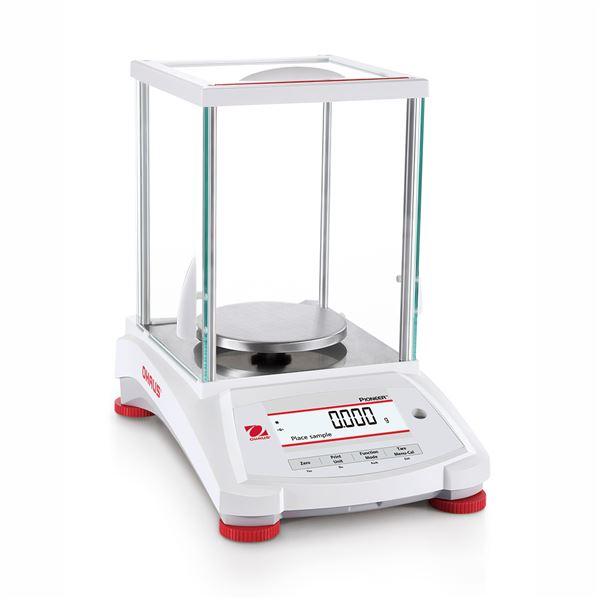
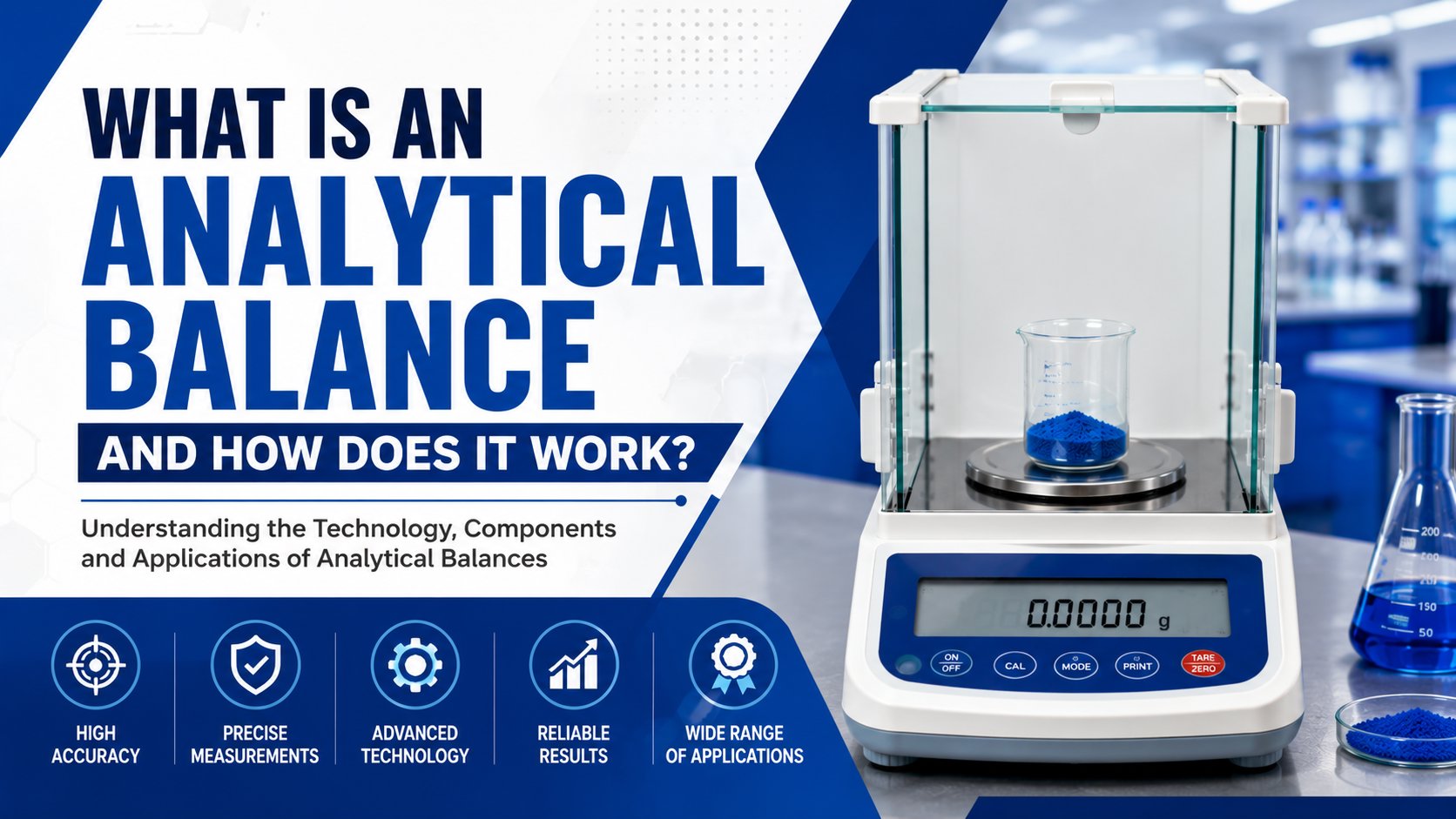
An analytical balance is a highly sensitive laboratory weighing instrument, a type of analytical scales used to measure small masses with high precision. Unlike standard laboratory scales, analytical balances can detect very small weight differences, often measuring in the sub-milligram range to 0.1 mg (0.0001 g) or better. These balances are commonly enclosed within a draft shield, a transparent enclosure around the weighing area, to protect measurements from air currents, dust, and environmental disturbances that could affect weighing accuracy.
Analytical balances are essential for applications where precision is critical, including chemical analysis, pharmaceutical formulation, material testing, and scientific research. Their ability to provide accurate and repeatable measurements makes them indispensable tools in modern laboratories because of their high precision and exceptional accuracy.
How Analytical Balances Work
Analytical balance work is based on electromagnetic force compensation. When a sample is placed on the weighing pan, or measuring pan, the balance detects the downward force created by the sample's mass. Inside, the load cell converts the sample’s mechanical force into an electrical signal. An electromagnetic system then creates an opposing electromagnetic force to counterbalance the weight and restore equilibrium. The amount of force required is then converted into a digital weight reading displayed on the screen.
This technology allows analytical balances to provide extremely precise measurements while maintaining stability and consistency. Because the system continuously monitors and adjusts the force needed to balance the sample, it can detect even the smallest changes in mass.

Components That Enable Balance Work
Several key components contribute to the performance and accuracy of an analytical balance.
The weighing pan serves as the platform where samples are placed for measurement. The electromagnetic sensor detects changes in mass and generates the corresponding measurement data. A draft shield enclosure surrounds the weighing chamber, and its draft shield door helps block air disturbance from affecting results. The digital display presents measurements clearly and accurately, while the calibration system ensures the balance maintains its precision over time. Modern analytical balances may also include connectivity features such as USB, RS232, or wireless communication for data transfer and laboratory integration, along with advanced technologies like electronic levelling for better setup and stability.
Balance Types and Specifications
Analytical balances are available in various configurations to meet different laboratory requirements. Standard analytical balances typically offer readability of 0.1 mg and capacities ranging from 22 g to 520 g. Semi-micro balances provide higher precision, often reading to 0.01 mg, while microbalances can measure down to microgram levels for highly specialized applications.
When selecting a balance, important specifications include readability, repeatability, linearity, weighing capacity, stabilization time, and calibration method. Many laboratories compare different laboratory balances and scales before selecting the right model. Choosing the right specifications ensures the balance can meet the accuracy requirements of specific laboratory tasks.
Minimum Weight
Minimum weight refers to the smallest sample mass that can be measured accurately and reliably on a balance. Measuring below the minimum weight threshold may result in significant relative errors and unreliable data.
Laboratories often establish minimum weight requirements based on regulatory guidelines and internal quality standards. Understanding the minimum weight specification helps users ensure that every measurement falls within the balance's validated operating range.

Maximum Weight
Maximum weight represents the highest load that an analytical balance can safely and accurately measure. Exceeding the maximum capacity can damage sensitive components and compromise measurement accuracy.
When selecting a balance, laboratories should consider both current and future weighing requirements. Choosing a balance with sufficient capacity ensures flexibility while maintaining optimal precision across a wide range of sample sizes.
Measurement Uncertainty and Accurate Results
No measurement system is entirely free from uncertainty. Measurement uncertainty refers to the range within which the true value is expected to lie. Factors such as calibration accuracy, environmental conditions, operator technique, and instrument performance all contribute to uncertainty. In practice, systematic errors arise from the instrument or setup, while random errors come from variable environmental or user influences.
Reducing uncertainty requires proper calibration, routine maintenance, consistent operating procedures, and environmental control under the same conditions to improve comparability of weighing results. Understanding uncertainty helps laboratories comply with quality standards, support quality assurance and regulatory compliance, and produce reliable scientific data.
Environmental Factors and Optimal Performance
Analytical balances are highly sensitive instruments that can be influenced by environmental conditions. Air currents, temperature fluctuations, humidity changes, vibrations, static electricity, and electromagnetic interference can all affect measurement accuracy.
For best results, analytical balances should be installed on stable laboratory benches away from doors, windows, air conditioning vents, and heavy machinery. Maintaining a controlled laboratory environment significantly improves measurement consistency and repeatability.
Achieving Optimal Performance
To maximize performance, laboratory personnel should follow established weighing procedures and best practices. Allowing the balance to warm up before use, keeping the weighing chamber clean, using appropriate containers, and handling samples carefully all contribute to accurate measurements. Proper technique during sample and standard preparation also supports accurate weighing.
Regular performance verification using certified calibration weights can help identify potential issues before they affect laboratory operations. Routine testing helps confirm reliable performance between formal calibrations. Consistent procedures and operator training are equally important for achieving reliable results.

How To Use an Analytical Balance
Using an analytical balance correctly is essential for obtaining precise measurements.
First, ensure the balance is level and properly calibrated. Turn on the instrument and allow it to stabilize. Place the weighing container on the pan and press the tare button to zero the display. When repeating checks for consistency, use the same object or the same container setup each time. Carefully add the sample to the container and close the draft shield doors to eliminate air movement. Wait for the reading to stabilize before recording the measurement.
Avoid touching samples directly with bare hands, as oils and moisture can affect weight readings. Always use clean tools and appropriate laboratory techniques, including standard preparation before weighing, when handling materials.
Calibration, Maintenance and Longevity
Regular calibration is critical for maintaining analytical balance accuracy. Many modern balances feature internal calibration systems that automatically adjust performance using built-in reference weights. External calibration using certified weights may also be required according to laboratory quality procedures.
Advanced models such as the A&D HR-A Series Analytical Balance provide sophisticated calibration capabilities that help maintain consistent weighing performance. Proper maintenance not only improves accuracy but also extends the lifespan of the instrument and reduces downtime.
Common Issues and Troubleshooting
Even high-quality analytical balances can experience occasional issues. Unstable readings may result from air drafts, vibrations, static electricity, or environmental disturbances. Inaccurate measurements can occur due to improper calibration, contaminated weighing pans, or overloaded capacity.
If measurement problems occur, users should verify calibration status, inspect the weighing chamber, check environmental conditions, and ensure the balance is level. Following manufacturer guidelines for troubleshooting can quickly restore normal performance and minimize laboratory disruptions.
Choosing the Right Analytical Balance
Selecting the appropriate analytical balance depends on several factors, including required accuracy, weighing capacity, application type, regulatory requirements, and budget. Laboratories should evaluate readability specifications, calibration options, connectivity features, and manufacturer support when comparing models, especially for regulated environments where compliance-related features matter during model selection.
Organizations working in pharmaceutical, chemical, academic, or industrial environments often benefit from balances that offer advanced calibration functions, compliance support, and seamless integration with laboratory information systems, along with documentation features that support regulatory compliance and quality assurance needs. Many laboratories choose the A&D GR Series Analytical Balance because of its combination of accuracy, reliability, and advanced weighing technology.
Investing in the right analytical balance improves efficiency, enhances data quality, and supports long-term laboratory success. Buyers should buy analytical balances from reputable manufacturers or distributors to support long-term performance and service.
Applications and Uses for Laboratory Balances
Analytical balances are used across a wide range of industries and applications. In pharmaceutical laboratories, they support formulation development, quality control, and research activities. Chemical laboratories rely on analytical balances for reagent preparation, sample analysis, method development, and density determination. They are also commonly used for differential weighing in routine laboratory work. Pipette calibration is another quality-control application in many laboratory workflows.

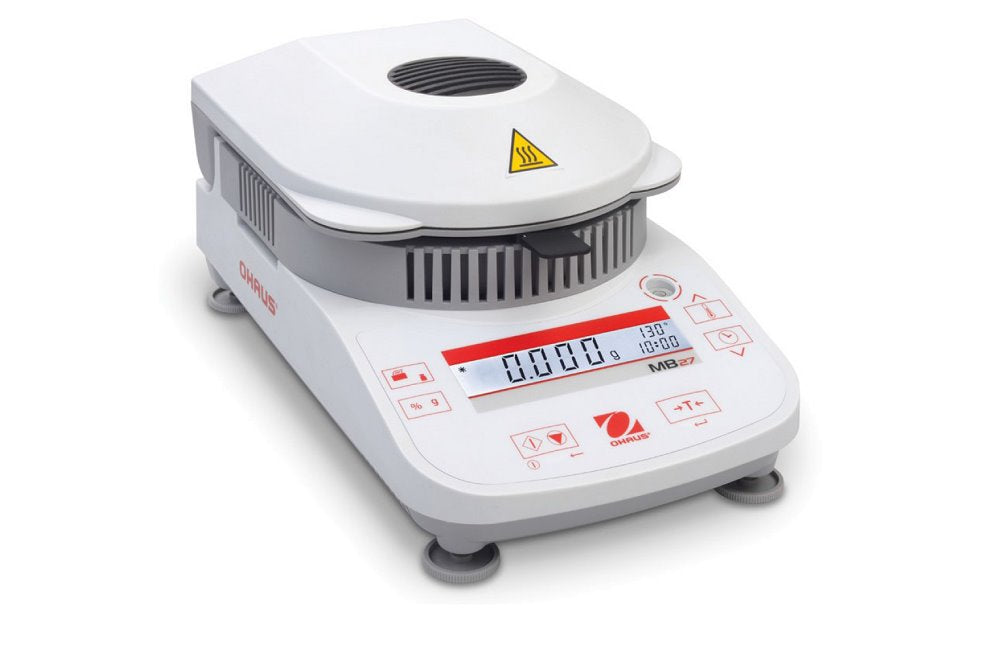
Food manufacturers use laboratory balances for quality testing and moisture analysis. Many facilities pair analytical balances with moisture analyzers to improve product consistency and quality control. Universities and research institutions often utilize precision balances alongside analytical balances for a variety of weighing applications. Environmental laboratories, biotechnology companies, and material testing facilities also utilize analytical balances to ensure accurate and reliable measurements. For ultra-sensitive measurements, research laboratories frequently rely on the A&D BM Series Micro Analytical Balance to achieve exceptional precision.
Because of their versatility and precision, analytical balances remain essential tools in virtually every scientific and industrial laboratory setting.
Conclusion
Analytical balances play a vital role in modern laboratory operations by providing highly accurate and reliable mass measurements. Their advanced electromagnetic technology, combined with proper calibration and environmental control, enables scientists and technicians to achieve precise results in research, quality control, and production environments.
Whether you work in pharmaceuticals, chemicals, food testing, education, or industrial manufacturing, choosing the right analytical balance and following best practices for operation and maintenance can significantly improve measurement accuracy and laboratory efficiency. By understanding how analytical balances work and how to use them effectively, laboratories can maintain confidence in their data and achieve the highest standards of quality and performance.
Frequently Asked Questions
What should you never do when using an analytical balance?
You should never exceed the balance's maximum capacity, place hot or wet samples directly on the weighing pan, or weigh materials with the draft shield doors open. Avoid touching samples or containers with bare hands, as oils and moisture can affect the measurement. It is also important not to use an analytical balance in areas exposed to vibrations, air currents, or sudden temperature changes, as these conditions can reduce weighing accuracy.
What are the disadvantages of analytical balance?
Analytical balances are highly accurate, but they can be sensitive to environmental factors such as airflow, humidity, temperature fluctuations, and vibrations. They typically require regular calibration and maintenance to maintain accuracy. Additionally, analytical balances are more expensive than standard laboratory scales and generally have lower weighing capacities due to their precision-focused design; they also usually have a lower maximum capacity than many precision balance models because they are optimized for high precision.
When should you use an analytical balance?
An analytical balance should be used whenever highly precise and accurate weight measurements are required. They are commonly used in pharmaceutical laboratories, chemical analysis, scientific research, quality control, and sample preparation. If your application requires measurements accurate to 0.1 mg (0.0001 g) or better, an analytical balance is the preferred choice.
What are the two types of analytical balance?
The two main types of analytical balances are standard analytical balances and semi-micro analytical balances. Standard analytical balances typically offer a readability of 0.1 mg and are suitable for most laboratory applications. Semi-micro analytical balances provide greater sensitivity, often with a readability of 0.01 mg, making them ideal for advanced research and highly precise measurements where even smaller weight differences must be detected.