
Buying an analytical balance is a critical decision for any laboratory, but many buyers focus only on price or readability and overlook key factors that affect long-term accuracy and performance. Analytical balances are precision instruments, and even small mistakes during selection can lead to costly errors, failed compliance, and unreliable results. Understanding the most common mistakes before purchasing will help you choose the right balance for your application and avoid unnecessary expenses. There are several common traps that buyers fall into when purchasing analytical balances, which can impact both performance and cost-effectiveness. For example, one common trap is not choosing a balance with a capacity slightly higher than your typical sample mass, which is recommended to ensure reliable measurements and flexibility. analytical balances collection
Introduction to Analytical Balances
Analytical balances are essential tools in any laboratory where accurate measurements are critical. Designed to measure small quantities with exceptional precision, these instruments can detect differences as minute as a fraction of a milligram. Because even the slightest weighing error can impact experimental outcomes, careful handling and regular calibration with certified weights are necessary to maintain accuracy and data integrity. Analytical balances are highly sensitive to environmental conditions such as temperature, humidity, and air currents, which can introduce errors if not properly controlled. To ensure reliable results, laboratories must implement proper calibration procedures and maintain a stable environment, making these balances indispensable for high-precision measurements in pharmaceutical, chemical, and research settings. calibration weights for analytical balances
Understanding Your Weighing Needs
Selecting the right analytical balance starts with a clear understanding of your specific weighing requirements. Consider the maximum and minimum weight you need to measure, as well as the level of precision necessary for your applications. The minimum weight, which is the smallest sample size that can be measured accurately, is especially critical—choosing a balance with an inappropriate minimum weight can compromise your results. For example, if your work involves weighing samples as small as 0.1 mg, you must ensure the balance’s minimum weight specification supports this level of accuracy, taking into account factors like static electricity, temperature fluctuations, and air currents that can affect measurements. Additionally, think about the types of samples you’ll be weighing—whether powders, liquids, or solids—and assess the environmental conditions in your lab, such as vibration, temperature, and humidity. By carefully evaluating these factors, you can select an analytical balance that delivers accurate results, maintains data integrity, and meets the critical demands of your laboratory environment. Ohaus analytical balances
Quick Buy Checklist for an Analytical Balance
Before purchasing an analytical balance, it is essential to evaluate your specific application requirements and make an informed decision by considering all relevant factors. Consider capacity, readability, repeatability, and the environment where the balance will be used. After identifying your application requirements, ensure the balance is matched to the specific applications in your lab for optimal performance and accuracy.
-
Ensure the balance meets industry standards for your field to guarantee accuracy, reliability, and regulatory compliance.
-
Ensure the balance meets compliance standards such as ISO or GLP requirements, and check whether features like internal calibration, draft shielding, and data connectivity are included.
-
Consider the total cost of ownership, including initial purchase price, calibration, certification, and ongoing maintenance.
-
For critical or regulated environments, consider top tier analytical balances that offer advanced features and comprehensive support. sartorius analytical balance
Readability is an important specification, but remember, readability is merely the smallest increment the display shows, not the smallest amount it can measure reliably.
A proper checklist helps you avoid buying a balance that is either underpowered or unnecessarily expensive for your needs.

Top Mistakes With Analytical Balances
One of the most common mistakes is choosing a balance based solely on price without considering performance specifications—this is one of the common traps buyers should be aware of. Many buyers also ignore calibration requirements, environmental conditions, and long-term maintenance costs. This increases the risk of unreliable results and data integrity issues, and can even lead to non compliance with regulatory standards. Another frequent issue is selecting a balance with higher precision than needed, which increases sensitivity to environmental disturbances. Poor setup or calibration can also introduce random errors that affect measurement accuracy. The lowest initial cost often leads to higher long-term expenses from frequent, costly service or poor performance. Avoiding these mistakes and ensuring regular maintenance ensures better performance, longer lifespan, and more reliable measurements.
Minimum Weight Trap for Laboratory Balances
Minimum weight is often overlooked but plays a crucial role in measurement accuracy. Every analytical balance has a minimum sample weight below which results are no longer reliable; it's important to note that the smallest increment (readability) displayed by the balance is not the same as the minimum weight. If you frequently weigh very small samples, choosing a balance without understanding its minimum weight can lead to inconsistent data.
According to standards like USP Chapter 41, the Minimum Weight is often dozens of times larger than the readability. Many buyers assume a balance with a readability of 0.1 mg can accurately weigh a 0.1 mg sample, which is a critical error. Laboratories should always verify that the balance meets their smallest measurement requirements to ensure accurate results.
Internal Calibration vs Calibration Weights
Many buyers struggle to choose between balances with internal calibration and those requiring external calibration weights, which necessitate manual calibration when automatic features are not present. Internal calibration offers convenience and consistency, especially in environments with temperature changes. On the other hand, external calibration weights provide flexibility but require proper handling and regular verification. Using certified external weights is essential for daily check-ups, maintaining compliance with standards like ISO 17025, and ensuring ongoing accuracy. Manual calibration procedures increase the risk of human error, which can lead to measurement inaccuracies and calibration issues. Relying on manual calibration instead of a model with automatic internal calibration risks human error and failed audits. Proper storage and handling of calibration weights are vital to prevent damage and ensure accurate weighing. Choosing the right calibration method depends on your workflow, accuracy requirements, and compliance needs. analytical balance calibration service
Skipping Automatic Internal Calibration Risks
Skipping automatic internal calibration can lead to measurement drift over time. If automatic internal calibration is skipped, manual calibration becomes necessary to ensure measurement accuracy, but it is often overlooked by operators. Analytical balances are highly sensitive to environmental changes such as temperature and humidity. Without automatic calibration, even small variations can affect accuracy. Investing in a balance with automatic internal calibration ensures consistent performance and reduces the need for manual intervention.
Skipping automatic internal calibration is often a costly mistake as manual calibration is often forgotten by operators.

Draft Shield, Environment, and Inaccurate Results
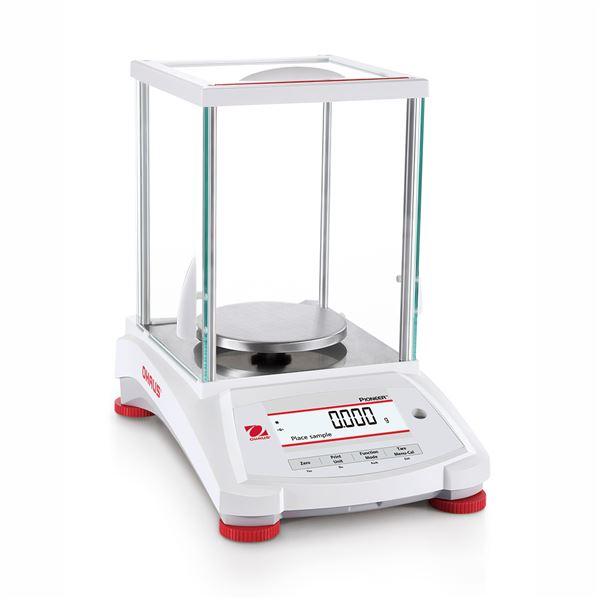
Environmental factors like air currents, vibrations, temperature fluctuations, air drafts, and direct sunlight can significantly impact analytical balance readings. A draft shield is essential to protect the weighing chamber from airflow and external disturbances. Maintaining a controlled environment is crucial for accurate weighing.
Floor vibrations can also affect measurement accuracy, so always place your balance on vibration free surfaces such as a dedicated weighing table. Sample loss can occur due to evaporation or environmental factors, so take precautions to minimize this risk. anti vibration table for analytical balances
Placing the balance on an unstable surface or near doors, windows, or HVAC systems can cause unstable readings. A high-precision balance is useless if placed in an unsuitable environment. Before ordering an analytical balance, ensure you have a dedicated anti-vibration table or a stable surface away from HVAC vents and high-traffic areas. Placing a highly sensitive balance near windows, doors, or heavy machinery causes fluctuating, inaccurate readings due to vibrations and drafts. Proper setup and environment control are just as important as the balance itself.
Don’t Confuse Lab Balance With Industrial Scales
A common mistake is using industrial or bench scales for applications that require analytical precision, instead of selecting the right laboratory balance for specific applications. Industrial scales are designed for durability and higher capacities but lack the sensitivity needed for laboratory measurements. Analytical balances provide micro-level precision and are specifically designed for scientific applications. These balances are used in many labs and industries due to their critical role in ensuring accurate measurements for specific applications. Choosing the wrong type of scale can compromise your results and lead to inaccurate data.
Analytical balances provide precise weighing of small substances, often in milligrams, and are essential for accurate lab work where precision is critical. precision laboratory balances
High Precision Needs and Hidden Costs
Higher precision balances often come with additional costs beyond the initial purchase price. When buying an analytical balance, consider the total cost of ownership, not just the purchase price. These include controlled environments, anti-vibration tables, calibration services, and specialized training. Regular maintenance is essential to prevent weighing errors, maintain device accuracy, and avoid hidden costs over time. Many laboratories underestimate these hidden costs when selecting ultra-sensitive balances. The initial price tag of a balance doesn't include mandatory recurring costs such as annual accredited calibration services and certified weight sets. Budget for recurring expenses like annual ISO 17025 accredited calibration and specialized service contracts. It is important to balance precision needs with practical operating conditions to avoid unnecessary expenses.
Data, Compliance, and Laboratory Balances
Modern laboratories require data integrity, traceability, and compliance with standards such as GLP, GMP, and ISO. Choosing a balance without proper data connectivity, audit trails, or compliance features can create challenges during inspections and audits. Features like USB, RS-232, and software integration help ensure secure data management and regulatory compliance. Integrating your analytical balance with a laboratory information management system enables seamless data transfer, reduces manual errors, and streamlines workflow efficiency, which is essential for maintaining compliance. Ensure the balance supports 21 CFR Part 11 compliance, including user management and unalterable electronic records. Ignoring industry compliance features can lead to failing audits, especially in regulated sectors like pharmaceuticals and food, and increases the risk of non compliance. Calibration services are necessary to maintain compliance with quality management systems, such as ISO 17025.

Vendor Selection and After-Sales Support
Choosing the right vendor is just as important as selecting the right balance. A reliable supplier should offer technical support, calibration services, and quick response times. Working with an experienced provider like Data Support Company ensures you receive not only high-quality equipment but also ongoing support to keep your balance accurate and compliant. Regular maintenance and prompt service are essential to minimize the risk of downtime or inaccurate results. If errors are detected, it is important to have them fixed promptly to maintain reliable weighing operations. After-sales service can significantly impact the long-term value of your investment.
Conclusion
Avoiding common mistakes when buying an analytical balance can save your laboratory time, money, and frustration. By understanding factors like minimum weight, calibration methods, environmental conditions, and vendor support, you can make a smarter purchasing decision. Investing in the right analytical balance ensures accurate results, regulatory compliance, and long-term reliability for your lab operations.
Frequently Asked Questions
What is the most common mistake when buying an analytical balance?
The most common mistake is focusing only on price or readability while ignoring important factors like minimum weight, calibration, and environment. This can lead to inaccurate results and frequent errors. Choosing the wrong balance can also increase long-term costs due to recalibration and maintenance.
Why is minimum weight important in analytical balances?
Minimum weight defines the smallest sample size that can be measured accurately. If you weigh below this limit, your results may be unreliable or inconsistent. Laboratories must ensure the balance meets their smallest measurement requirements to maintain precision and data quality.
Is internal calibration better than external calibration weights?
Internal calibration is more convenient and ensures consistent accuracy, especially in changing environments. External weights offer flexibility but require careful handling and regular verification. The best option depends on your workflow, compliance needs, and how often calibration is required.
How does the environment affect analytical balance accuracy?
Environmental factors like air drafts, vibrations, and temperature changes can cause unstable readings. Even small disturbances can impact high-precision measurements. Using a draft shield and placing the balance in a stable, controlled environment helps maintain accuracy and repeatability.