Introduction to Moisture Analysis
Moisture analysis is a critical process in various industries, including food, pharmaceuticals, and manufacturing, requiring accurate measurements of moisture content.
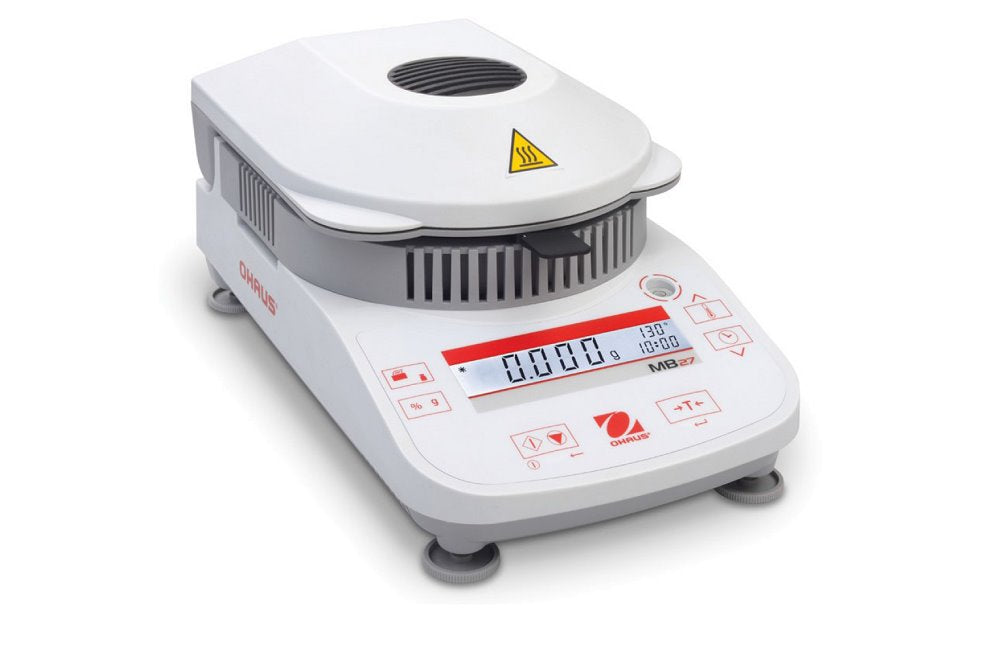
Moisture analyzers, also known as moisture balances, play a crucial role in determining the moisture content of various materials, and are used to determine the water content in samples.
Understanding the principles of moisture analysis is essential for quality control and process optimization. Moisture analyzers can be used to measure the moisture content of liquids, gases, and solids.
The thermogravimetric method is a common technique used in moisture analysis, which involves measuring the change in mass of a sample as it is heated to determine the amount of water content and other volatile substances.
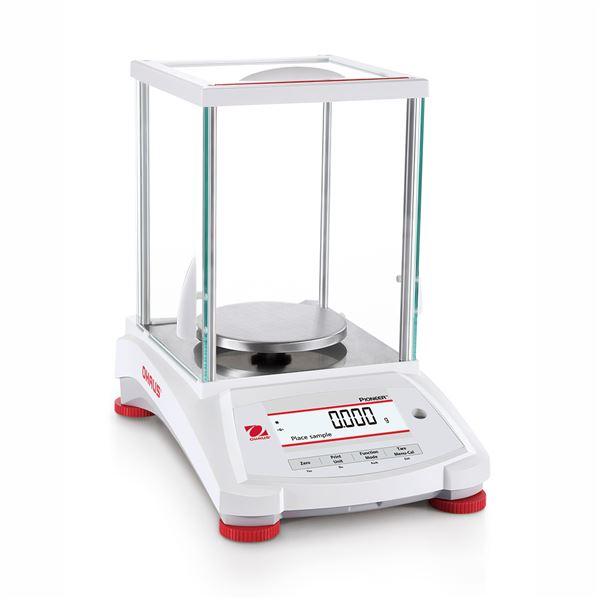
The moisture present in a sample is measured by weighing it before and after the drying process. Accurate measurements are crucial in moisture analysis, and calibration of the moisture analyzer is essential to ensure consistent and reliable results.
Understanding Moisture Analyzers
Moisture balances are designed to provide quick and accurate measurements of moisture content in various materials. Halogen moisture analyzers use a halogen lamp as an infrared heating element to provide rapid and controllable heat during the drying process.
The choice of moisture analyzer depends on the specific application, the type of material being tested, the need for high precision, and the types of substances present in the sample.
Pin meters and pinless meters are two common types of moisture meters used in various industries. The thermogravimetric method measures the change in mass of the sample as heat is applied, which can also cause other volatile substances to evaporate.
Regular calibration of the moisture analyzer is essential to ensure accurate and reliable results. The halogen moisture analyzer uses thermogravimetric measurement to determine moisture content by weighing the sample and heating it with an infrared radiator.

Method Development for Accurate Results
-
Method development is critical in moisture analysis to ensure accurate and consistent results, and selecting appropriate testing methods is essential for achieving reliable outcomes.
-
The development of a testing method involves selecting the appropriate moisture analyzer, calibration standards, and testing procedures.
-
The choice of drying temperature, sample pan, and particle size can affect the accuracy of the results.
-
Specific instructions for method development should be followed to ensure reliable and consistent results.
-
Even distribution of the sample is crucial to ensure accurate measurements.
Moisture analyzers can simplify the measurement process, but they require proper sample preparation to ensure accurate results.
Importance of Meter Calibration
Meter calibration is essential to ensure accurate and reliable results in moisture analysis. Calibration of the moisture meter involves verifying its accuracy against a known standard. Regular calibration is necessary to prevent errors and ensure consistent measurements.
The frequency of calibration depends on the usage and environment of the moisture meter. Calibration standards, such as moisture content standards, are used to verify the accuracy of the moisture meter.
Moisture Meter Calibration Process
-
The calibration process involves a step-by-step guide to ensure accurate and reliable results.
-
The process includes selecting the appropriate calibration standard, preparing the sample, and performing the calibration test.
-
The calibration test involves comparing the readings of the moisture meter with the known standard.
-
Any deviations from the standard require adjustment of the moisture meter.
-
Regular maintenance, including cleaning and inspection, is essential to ensure the accuracy and reliability of the moisture meter.

Using Calibration Standards
-
Calibration standards are used to verify the accuracy of the moisture meter.
-
Moisture content standards are commonly used as calibration standards.
-
The choice of calibration standard depends on the specific application and the type of material being tested.
-
Calibration standards should be traceable to a known reference standard.
-
The use of calibration standards ensures accurate and reliable results in moisture analysis.
Factors Affecting Moisture Analysis
Achieving accurate and reliable results in Moisture analyzer depends on a variety of critical factors. The type of moisture analyzer selected—whether a halogen moisture analyzer or a traditional drying oven—can significantly influence the outcome, as each device operates with different principles and sensitivities. The drying process itself, including the chosen drying temperature and duration, must be carefully controlled to match the specific material being tested. Sample preparation is equally essential; factors such as particle size and even distribution of the sample can directly affect measurement accuracy. Calibration standards and routine maintenance of the analyzer are vital to ensure consistent measurements over time. Environmental conditions, such as ambient humidity and temperature, can also impact the analysis, making it important to follow the manufacturer’s specific instructions for both operation and calibration. By understanding and managing these variables, industries such as food, pharmaceuticals, and manufacturing can maintain high standards of quality control and reliability in their moisture analysis processes.
Best Practices for Moisture Analysis
To obtain precise and reliable moisture content measurements, it is essential to follow best practices throughout the moisture analysis process. Start by selecting the appropriate moisture analyzer for your specific material and application, considering factors like required accuracy and ease of use. Regular calibration using certified calibration standards is crucial—always follow the manufacturer’s instructions to ensure your analyzer remains accurate. Proper sample preparation is another key step: make sure your sample is representative, with consistent particle size and even distribution in the sample pan. During testing, adhere to a clear step-by-step guide, setting the correct drying temperature and time for your material. Carefully interpret the results, paying attention to the percentage points of moisture content and being mindful of potential sources of error. By consistently applying these best practices, you can achieve accurate, reliable, and repeatable results in your moisture analysis.

Troubleshooting Common Issues with Moisture Analyzers
Even with the best equipment and procedures, Moisture analyzer can sometimes deliver unexpected results or encounter operational issues. Inaccurate measurements are often traced back to problems such as improper calibration, inconsistent sample preparation, or errors in the drying process. Equipment malfunctions, including sensor faults or wear and tear, can also affect the analyzer’s performance. To troubleshoot effectively, start by reviewing the calibration and maintenance records to ensure the instrument has been properly maintained throughout its entire lifetime. Double-check your sample preparation and analysis steps, making sure all procedures align with the manufacturer’s guidelines. If issues persist, consult the troubleshooting section of the user manual or reach out to the manufacturer for further information. Regular cleaning, inspection, and timely replacement of worn parts are essential for maintaining the reliability and accuracy of your moisture analyzer. By following these troubleshooting steps, you can quickly identify and resolve common issues, ensuring your moisture analysis remains precise and dependable.
Frequently Asked Questions
How do you calibrate a moisture analyzer?
Calibrate using the manufacturer’s procedure, typically including weight calibration with certified weights and, if required, temperature calibration using a reference standard.
How to use a moisture analyzer step by step?
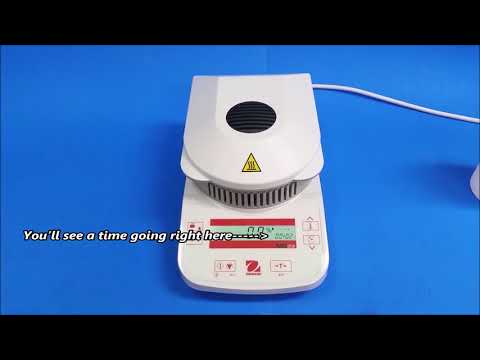
Turn on and warm up the unit, place the sample on the pan, close the lid, select the method, and start the test. The analyzer heats, dries, and displays moisture results automatically.
How often should a moisture meter be calibrated?
Calibration is recommended daily or weekly for critical use, and always after relocation, maintenance, or significant environmental changes.