Introduction to Weighing Balances
Weighing balances are essential tools for accurate measurements in various industries, including laboratory and production environments.
Analytical and precision balances are specialized precision instruments designed to accurately measure mass, particularly smaller masses, in laboratory settings. These analytical and precision balances are vital for tasks that require high sensitivity and accuracy, making them indispensable for scientific research and quality control.
Understanding the differences between these balances is crucial for selecting the right balance for specific weighing needs. Laboratory balances, including semi micro balances and lab balances, require careful consideration of factors such as weighing capacity and accuracy to ensure accurate results and accurate scale readings.
The selection process involves evaluating factors like maximum capacity, scale performance, and internal calibration to ensure reliable measurements.
Types of Weighing Balances
-
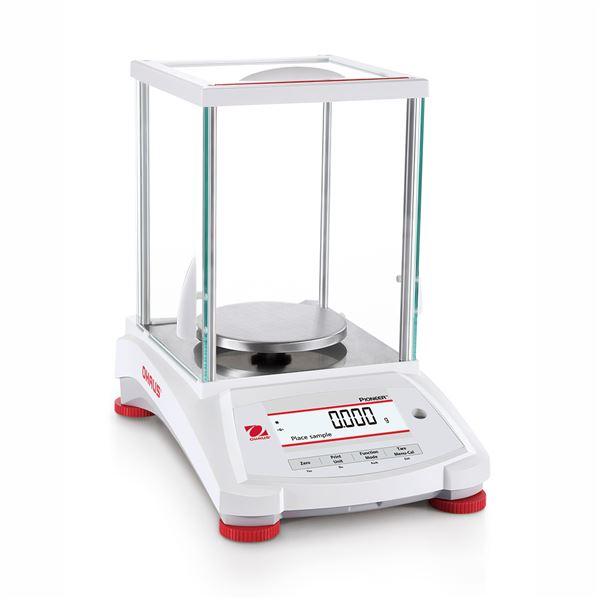
Analytical balances are designed for high-precision measurements, typically in the sub milligram range, and are commonly used in laboratory settings. Analytical balances have higher readability, typically measuring to the nearest 0.1 mg to 0.01 mg, and are equipped with a draft shield—a transparent enclosure that minimizes the influence of air currents and dust on sensitive measurements. Due to their high precision, analytical balances require frequent calibration to ensure accurate results.
-
Precision balances offer higher capacities and are suitable for a wide range of applications, including quality control and production environments. Precision balances have a higher weighing capacity than analytical balances, often ranging from a few grams up to tens of kilograms, and provide high-resolution readings, typically within the 0.01-gram range. However, they have lower readability compared to analytical balances, which impacts their suitability for tasks requiring extremely fine measurement accuracy.
-
Semi micro balances provide accurate measurements for smaller samples and are often used in research and development labs.
-
Top loading balances are another type of precision balance, offering quick and efficient weighing results.
-
Digital scales and mechanical scales are also available, each with their own advantages and disadvantages.
The readability of a scale is the smallest weight increment it can display, which directly affects its precision.

Factors Affecting Weighing Accuracy
External factors, such as air currents, temperature fluctuations, and dust particles, can significantly impact weighing accuracy. It is also crucial to place the scale on a stable, level surface to ensure accurate calibration and measurement. Static electricity and harsh environments can also affect the performance of weighing equipment.
Inaccurate scale readings can result from using the wrong scale or failing to maintain accuracy through regular calibration. Inconsistent readings may indicate the need for recalibration or maintenance. Weighing chamber design and load cells can also influence the accuracy of weighing results. Understanding these factors is essential for ensuring accurate and reliable measurements.
Calibration and Maintenance
Calibration frequency depends on the specific application and usage of the balance, as well as regulatory compliance requirements. Regular calibration is necessary to maintain accuracy and prevent inaccurate readings. Modern scales often include calibration features that help maintain precision over time without manual intervention.
A calibration schedule should be established and followed to ensure consistent and reliable measurements. Calibration programs are available for all scale types and sizes to help maintain accuracy. Audit trails and records of calibration and maintenance should be kept to track calibration history, demonstrate compliance with standards, and ensure continuity. Maintaining an audit trail is a key aspect of quality control in scale calibration.
Always recalibrate a scale if it is moved, dropped, or shows inconsistent readings. Proper maintenance, including cleaning and adjustment, is also crucial for optimal balance performance.

Selecting the Right Balance
The selection process involves evaluating factors like weighing capacity, overall accuracy, and precision to ensure the right balance is chosen for specific needs. To identify your max weight, consider the heaviest item you will weigh, including any containers, and choose a balance with a significantly higher capacity. The 'middle range' rule suggests selecting a scale where your heaviest samples fall in the middle of its rated capacity range for optimal performance. You need high precision for small items and high capacity for large items, so balance these needs based on your application. Precision balances are better suited for larger quantities and less critical measurements, while high capacity scales generally have lower resolution compared to high precision scales. High precision balances are extremely sensitive to drafts and vibrations, so protective measures are required in harsh environments.
Considerations should include the type of samples being weighed, the desired level of accuracy, and the environmental conditions in which the balance will be used. Certified weights and known weights can be used to test and verify the accuracy of a balance. The importance of accurate weighing results and the potential consequences of inaccurate measurements should also be considered. A balance with higher readability and precision may be necessary for certain applications, while a balance with higher capacities may be more suitable for others.
Weighing Balance Applications
-
Weighing balances are used in a variety of applications, including laboratory research, quality control, and production environments.
-
Accurate weighing results are critical in these applications, and the right balance must be selected to ensure reliable measurements.
-
Dynamic weighing, specific gravity measurements, and regulatory compliance are just a few examples of the many applications that require accurate weighing results.
-
The use of weighing equipment in harsh environments or areas with high levels of dust or moisture requires special consideration and selection of appropriate balances.
-
Increase efficiency and productivity can be achieved by selecting the right balance for the specific application.

Conclusion and Final Considerations
In conclusion, selecting the right balance for specific weighing needs is a critical process that requires careful consideration of various factors. Accurate measurements and reliable results depend on the right balance being used, and the consequences of inaccurate measurements can be significant. A thorough understanding of the different types of balances, factors affecting weighing accuracy, and calibration and maintenance requirements is essential for making an informed decision.
By considering these factors and selecting the right balance, users can ensure accurate and reliable measurements, increase efficiency and productivity, and maintain regulatory compliance. Finally, it is essential to remember that accurate weighing results are critical in many applications, and the right balance is essential for achieving these results.
Frequently Asked Questions
What is the precision of a weighing balance?
The precision of a weighing balance refers to how consistently it can measure the same weight under the same conditions. Higher precision means smaller measurement variations and more reliable results.
What is the capacity of a weighing balance?
The capacity of a weighing balance is the maximum weight it can accurately measure. Exceeding this limit can damage the balance and affect measurement accuracy.
How to calibrate a precision balance?
A precision balance can be calibrated using internal calibration (built-in weights) or external certified calibration weights. Calibration should be performed regularly and after changes in temperature, location, or use.
How to calculate minimum capacity of weighing balance?
The minimum capacity is the smallest load a balance can measure accurately, often based on readability and repeatability. It is typically calculated using the balance’s minimum weight specification provided by the manufacturer.