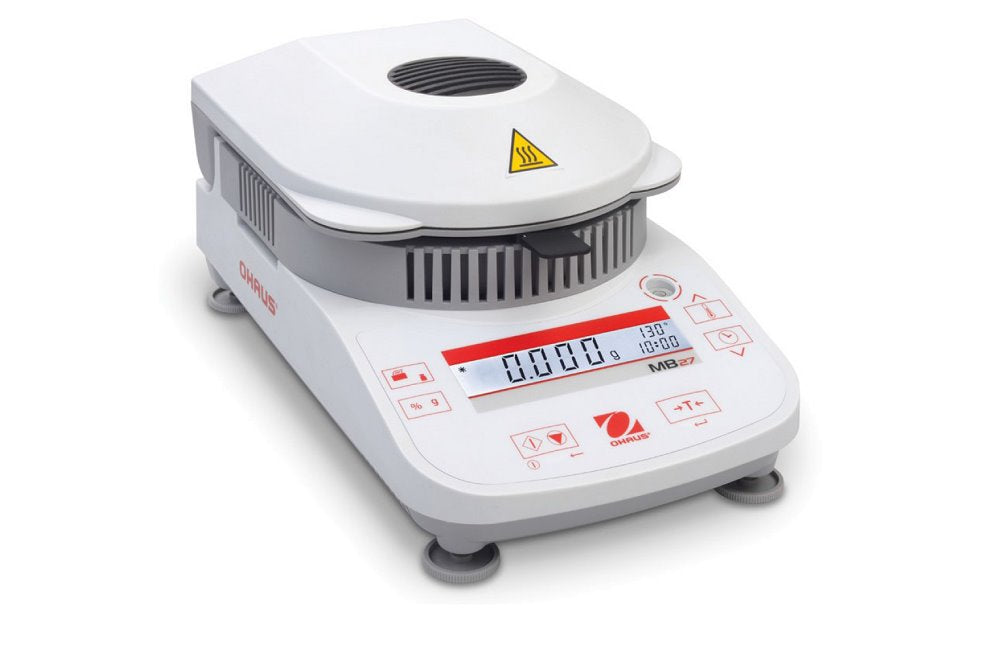

Introduction to Laboratory Scales
Laboratory scales are essential pieces of laboratory equipment, providing the foundation for accurate measurements in scientific, industrial, and research environments. Whether you are working with high-precision laboratory balances for routine weighing or analytical balances for laboratory use for high-accuracy applications, selecting the right balance is critical to achieving reliable results. Each laboratory balance is designed with specific accuracy, capacity, and readability in mind, making it important to match the instrument to your unique requirements.
When choosing a laboratory scale, consider the scale capacity to ensure it can handle the maximum weight of your samples without compromising performance. Readability, or how many decimal places the balance can display, is another key factor—higher readability allows for more precise measurements, which is especially important in pharmaceutical research and quality control. Calibration options, such as internal or external calibration, help maintain accuracy over time and reduce the risk of human error.
By understanding the differences between precision balances and analytical balances, and by evaluating your laboratory’s specific needs, you can select a balance that delivers both accuracy and efficiency. This guide will help you navigate the various types of laboratory balances and highlight the most important features to consider, ensuring you make an informed decision that supports your laboratory’s goals.
Quick Overview: Laboratory Balance Decisions
Choosing laboratory scales and balances is not just about selecting a device that measures weight. It is a strategic decision that affects workflow efficiency, compliance, accuracy, and long-term operational costs. The right balance improves productivity and minimizes rework, while the wrong one leads to wasted materials, repeated measurements, and unnecessary service expenses. Saving time can also be achieved by selecting models with comprehensive service contracts and warranties, which reduce maintenance and support efforts. Other features, such as automation and digital controls, can further improve efficiency and workflow. Understanding your requirements before purchasing is the foundation for saving both time and money.

Identify Needs: Weighing Process and Application
Before comparing models, it is essential to clearly define your lab weighing process and match the scale to your specific application. Laboratories differ significantly in what they measure, how often they weigh samples, and how precise those measurements must be. Pharmaceutical compounding, chemical analysis, food testing, and research laboratories each require different levels of accuracy.
You need to determine the right instrument for your weighing needs to ensure accurate and reliable results. It is also important to consider the types of items you need to weigh and ensure the scale can accurately weigh items within your required range.
Selecting a laboratory balance that matches your real application prevents overspending on unnecessary features while ensuring your equipment performs reliably in daily operations. Selecting an appropriate laboratory scale requires balancing capacity, readability, and speed while focusing on sample weight to optimize accuracy and reduce costs.
Types of Instruments: Analytical Balances, Precision Balances, Semi-Micro
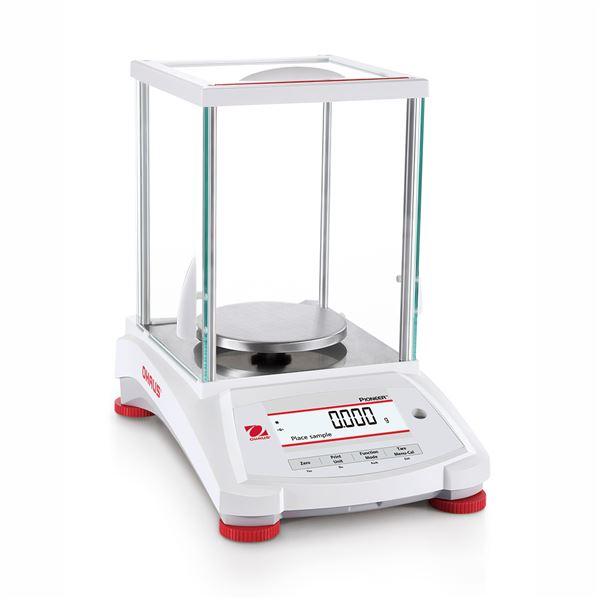
Understanding the differences between analytical balances, precision balances, and semi-micro balances is critical when making a purchase decision. Analytical balances typically offer readability of 0.0001 grams and are ideal for high-accuracy laboratory environments. Analytical balances are generally more expensive than precision balances due to their increased precision. They should only be used by trained personnel and typically have a draft shield to prevent air currents from affecting measurements. Semi-micro balances provide even greater precision for advanced research applications where extremely small variations matter. Precision balances, while slightly less sensitive, offer higher capacity and are suitable for general laboratory use and quality control. Analytical and precision balances are designed to measure much smaller masses than general weighing scales, making them suitable for small sample sizes. Most balances should come with a calibration certificate or feature to ensure measurement accuracy. The main difference between a balance and a scale is that balances typically have lower capacity and higher readability than scales. Balances are commonly used in industries such as pharmaceuticals, food and beverage, and quality control testing. Choosing the correct instrument type ensures optimal performance without unnecessary cost. Laboratories requiring ultra-fine measurements often explore semi-micro laboratory balances for advanced applications.
Scale Capacity, Platform Size, and Pan Size
Scale capacity, platform size, and pan size play a major role in workflow efficiency and measurement stability. Selecting a balance with insufficient capacity can lead to overload damage and inaccurate readings. It is important to choose a scale with a range that matches your specific weighing requirements and the load capacities needed for your laboratory applications. Similarly, choosing a pan that is too small for your containers can create instability and measurement drift. The weighing pan should be sturdy, easy to clean, and compatible with your weighing material. Select the smallest weighing pan that safely accommodates your weighing material to reduce the influence of air drafts on measurements. Matching the physical dimensions of the balance to your sample size and container type reduces errors and prevents repeated weighing, ultimately saving valuable time. The scale's capacity should be matched to the heaviest sample you plan to weigh for both durability and cost savings. For maximum longevity, select a scale that places your heaviest common sample in the middle of its capacity range.

High Precision and Weighing Process Optimization
High precision improves consistency and reduces material waste when aligned properly with the weighing process. Accurate measurements prevent formulation errors, compliance risks, and costly product rework. Advanced weighing equipment often uses technologies like Surface Acoustic Wave (SAW) to enhance the precision and durability of load cells, resulting in more accurate measurement, increased overload capacity, and improved stability in challenging environments. Understanding your balance or scale's sensitivity to external factors such as temperature and humidity can help compensate for potential measurement errors. Models with automatic internal calibration can maintain accuracy despite temperature variations, which is critical for analytical work. However, ultra-high precision instruments require controlled environments, stable work surfaces, and routine calibration to maintain performance. Investing in the appropriate level of precision ensures efficiency without increasing operational complexity.
Standard Features and Ease of Use
Modern laboratory scales and balances include features designed to improve usability and productivity. Digital scales and digital balances now offer built-in functions such as piece counting, dynamic weighing, percentage weighing, and unit conversion, making them highly versatile and user-friendly. These built-in features eliminate the need for external equipment and streamline laboratory tasks.
New scales and new balances often come equipped with digital terminals, touch screens, and connectivity options like USB, RS-232, Ethernet, and Wi-Fi, allowing seamless integration with LIMS and other devices. Choosing models with automatic internal calibration, fast stabilization times, and programmable calibration routines increases efficiency and reduces user error. It is recommended to calibrate lab balances at regular intervals, such as every six months or annually. Regular calibration guarantees the accuracy of your measurements, so opt for a balance that offers internal or external calibration options.
The response time of a balance is crucial for time-sensitive experiments and efficient data collection during repetitive weighing tasks. Laboratory scales can include static sensors, ionizers, overloading and shock protection, and user safety features to ensure reliable operation and protect both users and equipment. Selecting models with fast stabilization and intuitive interfaces enhances workflow efficiency. Choosing a scale with the interfaces you need will save you the trouble of needing a converter if you decide to connect later. Many laboratories also keep certified laboratory calibration equipment on hand to routinely verify balance performance.
Internal calibration systems, digital displays, overload protection, and data connectivity simplify daily operations and reduce human error. Easy-to-use instruments shorten training time and allow technicians to work more efficiently. Selecting equipment with intuitive controls and reliable performance contributes directly to smoother laboratory workflows.
Maintenance, Calibration, and Long-Term Costs
Long-term cost considerations are just as important as the initial purchase price. Regular calibration, preventive maintenance, and accessible service support protect the accuracy and lifespan of laboratory balances. Lower-cost instruments may appear attractive upfront, but frequent repairs or unstable performance can increase overall expenses. Choosing reliable laboratory scales from reputable manufacturers helps reduce downtime and ensures consistent performance over time.

Choosing the Right Balance: Budgeting to Save Time and Money
Budgeting for laboratory scales should focus on long-term value rather than short-term savings. The right balance improves efficiency, reduces errors, and minimizes service interruptions. By aligning your budget with your actual operational needs, you can invest in equipment that supports productivity while protecting profitability. Strategic purchasing decisions lead to measurable time savings and reduced operational costs.
Create a Shortlist and Compare Models (Platform Size, Pan Size, Scale Capacity)
Creating a shortlist of models allows you to compare key specifications such as readability, maximum capacity, platform size, and pan dimensions. Evaluating these factors side by side makes it easier to eliminate unsuitable options and select the best match for your application. Many labs begin their comparison by reviewing trusted models like the Ohaus EX224 analytical balance or the Ohaus EX324 analytical balance for reliable laboratory performance.
Conclusion
Selecting the right laboratory balance is a crucial step in ensuring accurate results, efficient workflows, and long-term cost savings. By carefully considering factors such as weighing capacity, readability, calibration methods, and the specific requirements of your application, you can avoid common pitfalls like inaccurate readings, lower readability, or prohibitively expensive features that do not add value to your process.
Remember, the best laboratory equipment is not always the most advanced or highest capacity, but the one that aligns perfectly with your laboratory’s needs. Take the time to compare models, assess standard features, and evaluate the total cost of ownership—including maintenance and calibration weights—before making your final choice. Investing in the right balance will not only improve measurement accuracy but also save time and money by reducing errors and minimizing downtime.
Ultimately, a well-chosen laboratory balance supports your team in delivering high-quality, reliable results across different industries and applications.
Frequently Asked Questions
Which balance is the most commonly used balance in a clinical laboratory?
The analytical balance is the most commonly used balance in clinical laboratories because it provides high precision, typically up to 0.0001 g readability. Clinical labs require accurate measurements for reagents, samples, and pharmaceutical compounds. Analytical balances offer stable performance and reliable results, making them ideal for sensitive medical and diagnostic applications.
How do I choose the right weighing scale?
To choose the right weighing scale, first identify your required precision and maximum capacity. Consider the type of materials you will weigh, container size, and how often the scale will be used. Make sure the platform size fits your samples and check whether internal calibration or data connectivity features are necessary for your workflow. Matching the scale to your application ensures accuracy and long-term efficiency.
What are the 5 types of laboratory balance?
The five common types of laboratory balance include analytical balances, precision balances, semi-micro balances, micro balances, and top-loading balances. Each type differs in readability and capacity. Analytical and micro balances are used for high-precision measurements, while precision and top-loading balances are better suited for routine laboratory weighing tasks.
Why do scientists use a balance instead of a scale?
Scientists use a balance instead of a general scale because balances measure mass with much higher precision and stability. Laboratory balances are designed to minimize environmental influences such as air drafts and vibration. This level of accuracy is essential for research, chemical analysis, and pharmaceutical work where even small measurement differences can affect results.