Introduction
Laboratory balances are among the most valuable pieces of equipment in research laboratories, pharmaceutical facilities, educational institutions, and quality control departments. Whether you're using an analytical balance, precision balance, or top-loading laboratory balance, maintaining these instruments properly is essential for ensuring accurate results and protecting your investment. Neglecting routine maintenance can lead to inaccurate measurements, costly repairs, failed quality inspections, and even premature equipment replacement.
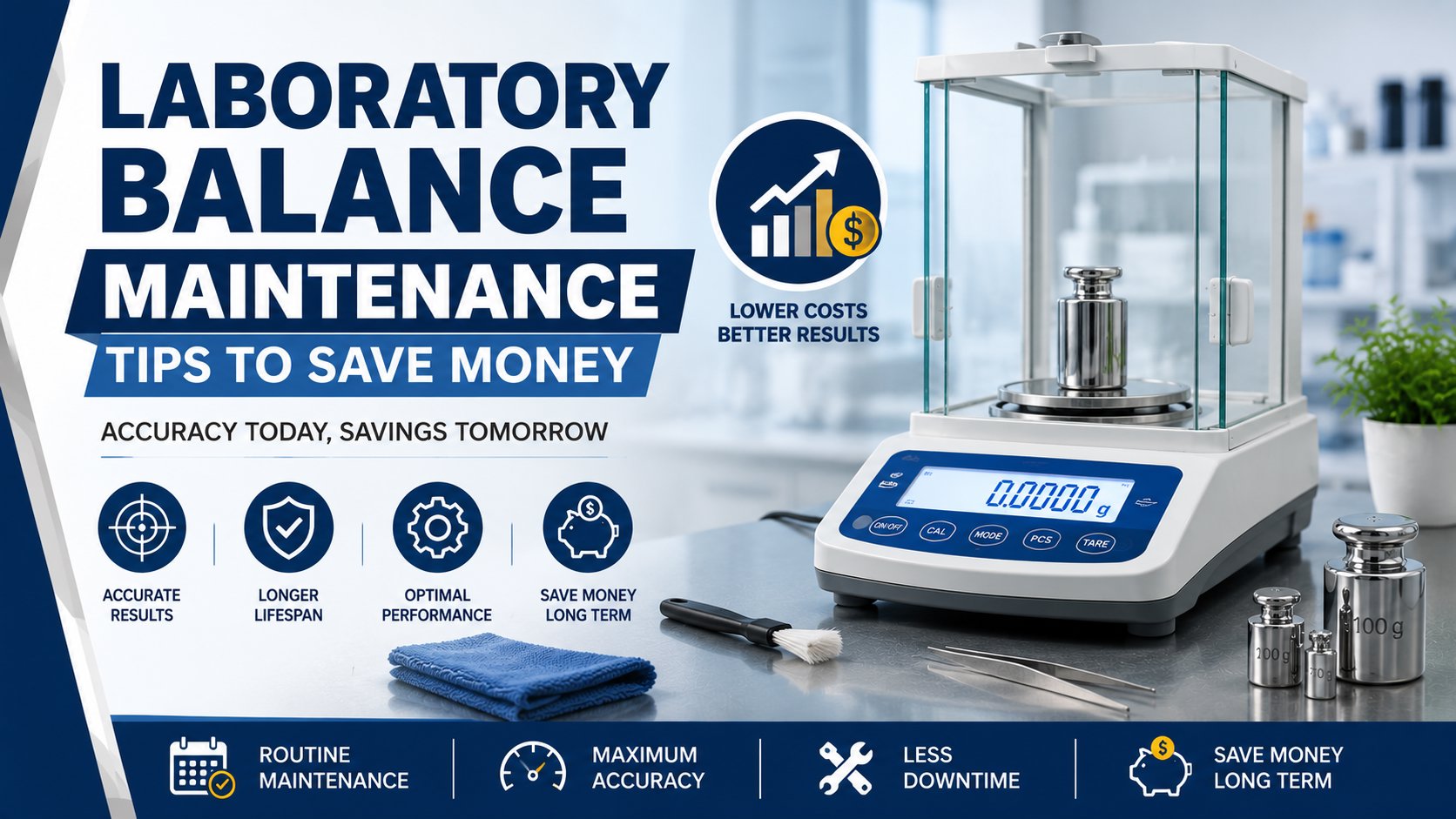
Fortunately, a well-planned maintenance program can significantly extend the life of your laboratory balance while reducing operating costs. This guide explains practical maintenance tips that help laboratories save money, improve weighing accuracy, and maximize long-term equipment performance.
Types of Laboratory Balances and Precision Balance Uses
Laboratories use several types of balances depending on the application and required level of precision. Analytical balances are designed for highly accurate measurements with readability typically reaching 0.1 mg (0.0001 g), making them ideal for pharmaceutical formulation, chemical analysis, and scientific research.
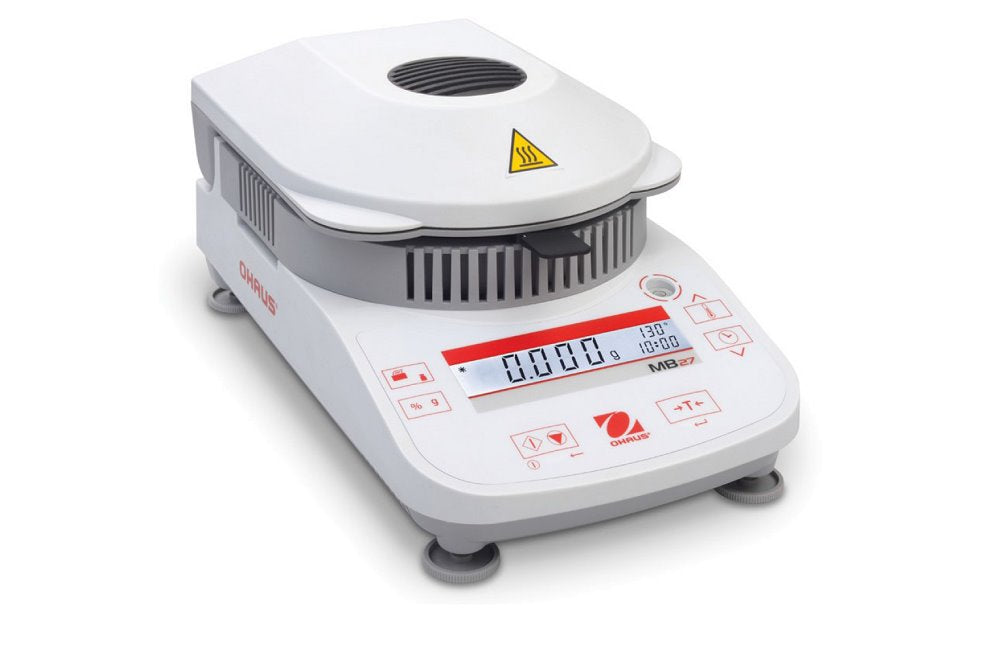
Precision balances provide greater weighing capacity while maintaining excellent accuracy for routine laboratory work. Top-loading balances are commonly used for general-purpose weighing where extreme precision is not required, while moisture analyzers are used to determine moisture content in various materials.
Understanding the capabilities of each balance type allows laboratories to choose the most suitable equipment while avoiding unnecessary wear caused by using the wrong instrument for a specific application.
Choosing an Analytical Balance or Lab Balances
Selecting the right laboratory balance is one of the best ways to reduce future maintenance costs. Laboratories should treat balances as precision instruments and evaluate weighing capacity, readability, repeatability, calibration options, environmental conditions, and intended applications before purchasing a balance, with high accuracy matched to the application.
Buying equipment with unnecessary precision may increase costs without improving productivity, while selecting an underperforming balance may result in measurement errors and frequent recalibration. Investing in a high-quality laboratory balance from a reputable manufacturer often provides better long-term reliability, lower maintenance expenses, and improved overall performance.
Regular Maintenance Schedule for Laboratory Balance
A structured maintenance schedule helps identify potential problems before they become expensive repairs. Preventive maintenance reduces unexpected downtime, improves weighing accuracy, and extends equipment lifespan.

Every laboratory should establish written maintenance procedures that include daily inspections, weekly cleaning, monthly calibration verification, and annual professional servicing at regular intervals. Those procedures should also include a calibration schedule and a maintenance log. Maintaining consistent records helps meet regulatory requirements and simplifies equipment management.
Daily Maintenance for Analytical Balances
Daily maintenance requires only a few minutes but can prevent many common problems. Before using the balance, verify that it is level, clean, and free from dust or spilled materials. Inspect the weighing pan, draft shield, and display for any visible contamination or dust particles.
Always allow the balance to warm up according to the manufacturer's recommendations before performing measurements. Place samples directly in the center of the weighing pan for accuracy. After each weighing session, remove sample residue using appropriate cleaning tools to prevent contamination and maintain measurement accuracy. For high-precision applications, monthly or daily calibration may be necessary.
Routine daily inspections help detect minor issues before they affect laboratory operations and support precise measurements and consistent results.
Weekly Maintenance for Lab Balances
Weekly maintenance focuses on cleaning and performance verification. Laboratory staff should inspect the weighing chamber, clean surrounding surfaces, verify environmental conditions, and check for signs of wear or damage.
During weekly verification, staff should perform calibration checks with standard weights or a suitable reference weight to confirm that measurements remain stable between scheduled calibrations. Reviewing operator practices and verifying that balances are used correctly to measure routine items also helps prevent unnecessary equipment stress.
Regular weekly maintenance improves reliability while reducing future repair costs.

Monthly Checks for Precision Balance
Monthly inspections should include calibration verification to monitor the balance's performance, electrical inspections, environmental assessments, and detailed cleaning procedures so the unit stays calibrated.
Laboratories should verify repeatability, linearity, and weighing accuracy using certified calibration weights, confirming that the measured value aligns closely with the known standard. Loose cables, damaged connectors, or unusual balance behavior should be addressed immediately before they develop into more serious problems.
Monthly preventive maintenance minimizes downtime and protects valuable laboratory equipment.
Calibration and Calibration Weights
Calibration is one of the most important aspects of laboratory balance maintenance, and it is crucial for accurate weighing and reliable lab balance performance. Regular calibration ensures accurate weighing results and maintains compliance with laboratory quality standards.
Many analytical balances include internal calibration mechanisms that automatically compensate for environmental changes. External calibration uses certified calibration weights to independently verify performance for validation, even when internal features are present, and is often required for regulated laboratory environments.
Calibration weights should be handled carefully using gloves or forceps and stored in protective cases to avoid contamination or physical damage.
Cleaning Procedures and Recommended Cleaning Agents
Proper cleaning is essential for maintaining weighing accuracy and preventing contamination. Before cleaning, always switch off the balance and gently remove residue or loose debris from the weighing chamber with a soft brush before wiping surfaces.
Use a lint-free cloth or manufacturer-approved cleaning materials to clean the weighing pan and surrounding components, helping keep a clean analytical balance. Mild laboratory detergents or isopropyl alcohol are commonly recommended for removing residues without damaging sensitive surfaces, especially after weighing chemicals.
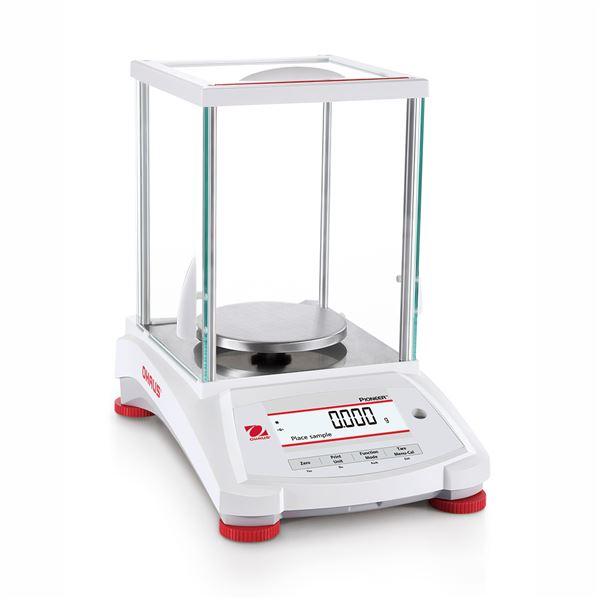
Avoid abrasive cleaners, excessive moisture, and avoid harsh chemicals that could damage balance components or affect future measurements. Many laboratories use the OHAUS Pioneer Analytical Balance because it offers reliable performance and is designed for easy routine maintenance and cleaning.

Environment Control for Laboratory Balances
Environmental conditions have a major impact on balance performance. External factors such as air currents, temperature changes, vibration, humidity, and pressure can all affect weighing accuracy.
Balances should be installed on stable laboratory benches away from doors, windows, ventilation systems, and heavy machinery to create a stable environment. Maintaining consistent room temperature and humidity helps improve repeatability, reduces unnecessary calibration adjustments, and lowers the risk of damage to sensitive load cells.
A properly controlled environment minimizes measurement errors and reduces long-term maintenance requirements.
Proper Use, Storage, and Handling of Lab Balances
To properly maintain the balance, staff must use and handle it correctly to prevent accidental damage and extend equipment lifespan. Laboratory personnel should never exceed the maximum weighing capacity or place hot samples directly on the weighing pan, and proper placement helps preserve accurate results when handling materials for weighing.
When balances are not in use, they should remain covered or stored in clean, dry environments protected from dust and moisture, since they are sensitive precision instruments. If transportation is necessary, sensitive components should be secured according to the manufacturer's instructions.
Proper handling significantly reduces repair costs and improves equipment reliability.
Troubleshooting, Repairs, and Balance Maintenance Costs
Even well-maintained laboratory balances may occasionally require troubleshooting. Unstable readings often result from air currents, vibration, static electricity, or improper calibration.
If measurements appear inaccurate, users should first verify calibration, inspect environmental conditions, clean the weighing chamber, and confirm that the balance is level. Addressing small issues immediately often prevents expensive repairs later.
Professional servicing should be scheduled whenever internal components require adjustment or replacement.
Cost-Saving Maintenance Tips
Preventive maintenance is almost always less expensive than corrective repairs because it helps balances stay at peak performance while reducing repair costs. Laboratories can reduce maintenance costs by following routine cleaning schedules, performing regular calibration, remembering to balance regularly as part of ongoing upkeep, maintaining stable environmental conditions, and training operators in proper balance use.
Using certified calibration weights, documenting maintenance activities, and replacing worn components before failure also contribute to long-term savings. Many laboratories choose the Adam Equipment Luna Analytical Balance for its dependable accuracy and low maintenance requirements.
A proactive maintenance strategy protects laboratory investments while improving productivity and measurement reliability.

When to Buy New Analytical Balances
Although regular maintenance extends equipment life, every laboratory balance eventually reaches the point where replacement becomes more economical than continued repairs.
Frequent calibration failures, repeated service calls, outdated technology, poor measurement stability, unavailable replacement parts, and increasing maintenance costs may all indicate that replacement is the better investment.
Modern analytical balances often include improved calibration systems, faster stabilization times, advanced connectivity, and enhanced user interfaces that increase laboratory efficiency.
Conclusion: Keep Analytical Balances Accurate and Affordable
Proper maintenance is one of the most effective ways to reduce laboratory operating costs while maintaining highly accurate weighing performance. Routine inspections, scheduled calibration, regular cleaning, environmental control, and proper operator training all contribute to longer equipment life and fewer unexpected repairs.
By following a preventive maintenance program, laboratories can improve measurement accuracy, maintain regulatory compliance, minimize downtime, and protect their investment in laboratory balances. Whether you're using analytical balances, precision balances, or other laboratory weighing equipment, consistent maintenance ensures reliable performance and long-term cost savings. For laboratories looking to upgrade equipment, investing in a professional analytical balance can improve accuracy, efficiency, and long-term value.
Frequently Asked Questions
What rules should be followed when using a laboratory balance?
To use a laboratory balance correctly, place it on a stable, level surface away from vibrations, air drafts, and direct sunlight. Always allow the balance to warm up before use, calibrate it regularly, and use clean, dry containers for weighing. Never exceed the maximum weighing capacity, avoid touching samples or calibration weights with bare hands, and clean the weighing pan after each use to maintain accuracy and prevent contamination.
What steps should be followed for the proper maintenance of an analytical balance?
Proper maintenance includes the following steps: cleaning the balance after each use, regularly checking that it is level, performing routine calibration with certified calibration weights—monthly or daily for high-precision applications as needed—and keeping the balance in a controlled environment free from dust, vibration, and temperature fluctuations. Scheduled inspections, preventive maintenance, and annual professional servicing help ensure long-term accuracy, reliability, and compliance with laboratory standards.
What is 0.41 in balance calibration?
The value 0.41 is not a universal calibration standard for laboratory balances. It may represent a specific calibration value, test result, tolerance, or error code depending on the balance manufacturer or calibration procedure being used. Always refer to the manufacturer's user manual or calibration documentation to determine the exact meaning of this value for your specific balance model.
How do you care and handle for balances?
To properly care for a laboratory balance, keep it clean and free from dust, chemicals, and sample residue. Handle calibration weights with gloves or forceps, avoid overloading the weighing pan, and never move the balance while it is in operation. Store the balance in a clean, dry, vibration-free environment and perform routine calibration and maintenance according to the manufacturer's recommendations to ensure accurate and reliable performance.