
Precision balances are among the most important weighing instruments used in laboratories, research facilities, pharmaceutical companies, manufacturing plants, jewelry stores, educational institutions, and quality control departments. The most common precision balance problems include unstable or fluctuating readings, incorrect measurements, failure to return to zero, slow stabilization, static interference, overloading, repeatability issues, and display or power faults, and in most cases the fix is straightforward: proper installation, routine calibration, better environmental control, and correct operating techniques. Because these instruments are relied on for accurate and repeatable measurements, even a small error can affect product quality, compliance, or experimental results. For laboratory personnel, researchers, pharmaceutical professionals, manufacturing staff, students, and anyone responsible for operating or maintaining a precision balance, knowing how to identify the cause of a weighing problem quickly can reduce downtime and protect measurement reliability. This guide explains the common issues precision balances develop, the likely causes behind them, easy solutions for correcting them, practical maintenance steps to prevent them, the effect of the environment on performance, and how to choose the right balance for a specific application. If you're selecting new equipment, explore our Precision Balances collection for reliable weighing solutions
Why Precision Balance Problems Occur: Environmental Factors
Many users assume that weighing errors are caused by a faulty balance, but in reality, external factors are responsible for most performance issues. Air currents, vibration, unstable work surfaces, static electricity, temperature fluctuations, humidity changes, overloaded weighing pans, poor calibration practices, contaminated weighing platforms, and incorrect user techniques can all affect measurement accuracy. Because precision balances are designed to measure very small weight differences, even minor environmental changes can influence the displayed reading. Understanding these factors is the first step toward achieving consistent and repeatable weighing results.
Problem 1: Unstable or Fluctuating Weight Readings
One of the most common issues is a display that constantly changes and never stabilizes. This usually happens because the balance is exposed to air movement, nearby equipment vibrations, or an uneven surface. Drafts from air conditioners, air conditioning vents, open windows, ceiling fans, or laboratory doors can disturb sensitive measurements. Placing the precision balance on a sturdy anti-vibration table, away from airflow, and ensuring it is properly leveled with the bubble perfectly centered will significantly improve reading stability and help prevent inaccurate readings. Allowing the balance to warm up before use, with the unit powered on for at least one hour before calibration or critical use, also helps produce consistent measurements.
Problem 2: Incorrect Weight Measurements
If your precision balance consistently displays inaccurate results, the most likely cause is improper calibration of the lab balance or analytical balance. Regular calibration ensures the balance maintains its specified accuracy over time, and the calibration process should start only after the unit has been powered on for at least one hour. Internal calibration models simplify this process, and some balances use a dedicated calibration mode in the menu to complete it properly, while external calibration requires a certified weight. Using Certified Calibration Weights helps maintain reliable performance and compliance with laboratory quality standards while ensuring accurate calibration results.

Problem 3: Balance Does Not Return to Zero
Sometimes the display fails to return to zero after removing the sample. Dust, chemical residue, spilled powder, or debris beneath the weighing pan can prevent proper operation. Carefully cleaning the weighing chamber, pan, and surrounding components with approved cleaning materials usually resolves this issue. Avoid using harsh chemicals that may damage sensitive components. Routine cleaning should be part of every laboratory maintenance schedule.
Problem 4: Slow Stabilization Time
If the balance takes an unusually long time to stabilize, environmental conditions are often responsible. Large temperature differences between the sample and the room can create air movement around the weighing pan and contribute to thermal drift. Allow samples to reach room temperature before weighing, and avoid placing warm or cold objects directly onto the balance. Stable laboratory temperatures and controlled humidity improve weighing speed and repeatability while supporting data integrity.
Problem 5: Static Electricity Interference
Static electricity is a major cause of unstable readings, particularly when weighing plastic containers, powders, filters, or lightweight materials. Electrostatic charges attract or repel the weighing system, resulting in fluctuating measurements. Increasing laboratory humidity to recommended levels, using anti-static devices or ionizers, grounding equipment, and selecting conductive containers whenever possible will minimize electrostatic interference and improve weighing accuracy.
Problem 6: Overloading the Precision Balance
Every precision balance has a maximum weighing capacity. Exceeding this limit can permanently damage the weighing mechanism and reduce measurement accuracy. Always verify the maximum capacity before placing heavy objects on the balance. Selecting a model with sufficient weighing capacity for your application also helps prevent overload-related problems.

Problem 7: Repeatability Issues
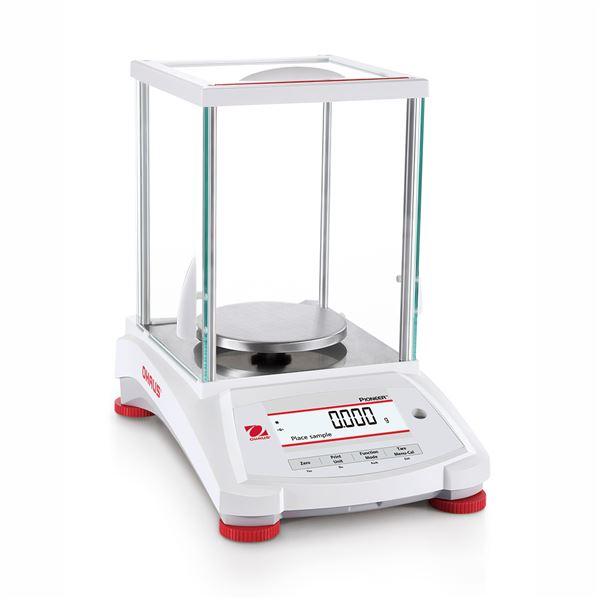
If repeated measurements of the same sample produce different results, inconsistent weighing techniques or environmental disturbances may be the cause. Always place the sample in the center of the weighing pan to help prevent inconsistent measurements, avoid touching samples with bare hands, close draft shields when applicable, and wait until the reading stabilizes before recording the measurement. Consistent operating procedures greatly improve repeatability.
Problem 8: Display or Power Problems
Occasionally, users experience display errors, unresponsive controls, or unexpected shutdowns. These problems may result from loose power connections, unstable electrical supply, voltage fluctuations that cause the instrument to behave erratically, damaged adapters, or internal electronic faults. Checking the power source, inspecting cables for signs of unstable electrical conditions, restarting the balance, and following the manufacturer's troubleshooting guide are good first steps. If the problem continues, professional servicing may be required, especially since persistent electronic faults can affect control and measurement stability.
Preventive Maintenance Tips
The best way to avoid precision balance problems is through regular preventive maintenance. Clean the weighing pan after every use, inspect the balance for visible damage, verify leveling, perform routine calibration, use certified calibration weights, monitor laboratory temperature and humidity, and protect the balance from vibration and air drafts. Following a maintenance schedule reduces repair costs, improves measurement accuracy, and increases the lifespan of your equipment. Many laboratories also maintain calibration and maintenance records to support quality assurance and regulatory compliance. Laboratories that require ultra-high accuracy often complement their weighing systems with professional Analytical Balances for demanding laboratory applications.

Choosing the Right Precision or Analytical Balance
Selecting the appropriate precision balance is equally important for avoiding future problems. Consider your required capacity, readability, repeatability, calibration method, connectivity options, weighing environment, and application before making a purchase. A balance that matches your laboratory or industrial requirements will deliver more reliable performance while minimizing maintenance issues. Investing in a high-quality precision balance from a trusted supplier also provides better long-term value and dependable weighing results. You can also browse our complete range of Laboratory Balances to compare models designed for research, pharmaceutical, industrial, and quality control applications.
Finally, environmental conditions such as temperature fluctuations, humidity changes, dust, direct sunlight, vibration, and electromagnetic interference can significantly affect weighing accuracy. Installing the precision balance in a clean, temperature-controlled laboratory, maintaining recommended humidity levels, protecting it from direct sunlight, keeping it away from heavy machinery and electronic interference, and performing regular maintenance and calibration will greatly improve long-term performance. By following these best practices, users can minimize common precision balance problems, maintain reliable weighing accuracy, and extend the service life of their equipment.
Conclusion
Most precision balance problems have simple solutions when they are identified early. Unstable readings, inaccurate measurements, static interference, calibration issues, overloads, and environmental factors can all be corrected through proper installation, routine maintenance, regular calibration, and correct operating procedures. By creating a controlled weighing environment and following best practices, laboratories and industrial users can significantly improve measurement accuracy, reduce downtime, and extend the service life of their precision balances. Whether you work in research, pharmaceuticals, manufacturing, education, or quality control, maintaining your precision balance properly ensures reliable weighing performance and consistent results for years to come. For laboratories seeking dependable performance, OHAUS Precision Balances and A&D Precision Balances are trusted choices known for exceptional accuracy, advanced features, and long-term reliability.

Frequently Asked Questions
What are the most common precision balance problems?
The most common precision balance problems include unstable weight readings, incorrect measurements, calibration errors, static electricity interference, slow stabilization, overloading, and environmental factors such as vibration, air currents, and temperature changes. Most of these issues can be prevented with proper installation, routine calibration, and regular maintenance.
How can I improve the accuracy of my precision balance?
To improve accuracy, place the balance on a stable, vibration-free surface, keep it away from drafts and direct sunlight, calibrate it regularly using certified calibration weights, clean the weighing pan frequently, and ensure the balance is properly leveled before each use. Following the manufacturer's maintenance recommendations will also help maintain consistent performance.
Why does my precision balance show unstable or fluctuating readings?
Fluctuating readings are usually caused by environmental conditions such as air currents, vibration, static electricity, or uneven surfaces. Using the balance in a controlled environment, allowing it to warm up before use, and minimizing disturbances around the weighing area will help produce stable and repeatable measurements.
How often should a precision balance be calibrated?
The calibration frequency depends on how often the balance is used and the level of accuracy required. For laboratories and quality control applications, calibration should be performed daily or before critical measurements. At a minimum, precision balances should be calibrated regularly according to the manufacturer's recommendations and whenever the balance is moved or exposed to significant environmental changes.