Overview: Why Analytical Balances Matter
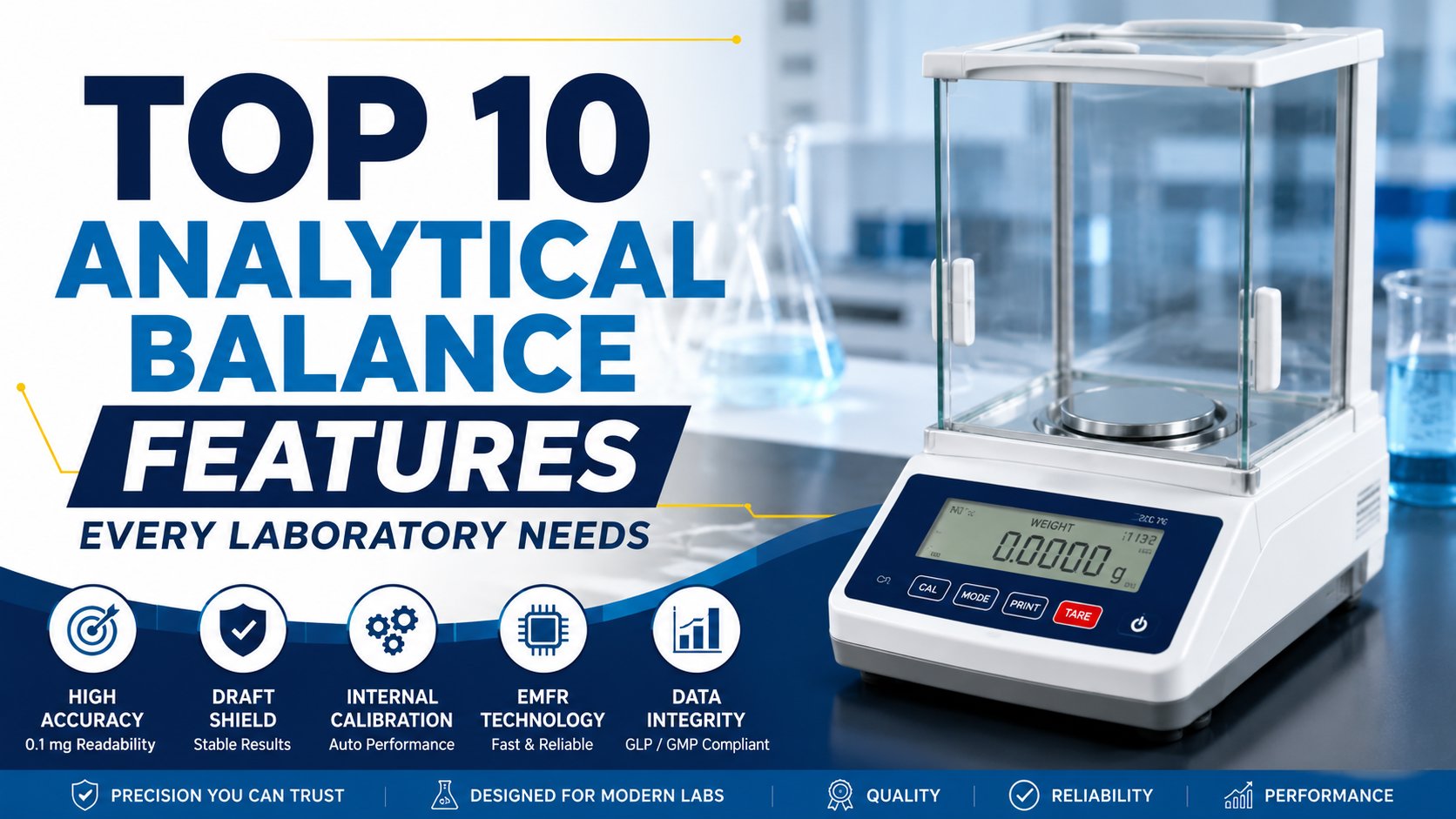
The top 10 analytical balance features every laboratory needs are 0.1 mg readability and minimum weight, a well-designed draft shield, external and internal calibration options, electromagnetic force restoration technology, high-precision components for repeatability, the right balance type, connectivity with data integrity and compliance features, environmental controls, ergonomic usability, and quality accessories with maintenance support. For laboratory professionals in scientific research, pharmaceutical production, chemical analysis, environmental testing, food quality control, and education, these features determine whether an analytical balance can deliver the accurate, repeatable measurements modern work demands.
Even the smallest weighing error can affect experimental results, product quality, regulatory compliance, and day-to-day laboratory efficiency. This guide focuses on the analytical balance features that matter most when comparing instruments, so laboratories can choose equipment that provides reliable results and long-term performance.
Selecting the right laboratory weighing equipment starts with choosing reliable Analytical Balances designed for scientific accuracy and repeatable performance. Explore our complete collection of Analytical Balances to compare models for pharmaceutical, research, educational, and quality control laboratories.
1. Readability and Minimum Weight: 0.1 mg Requirement
One of the most important features of an analytical balance is its readability. Most professional analytical balances provide a readability of 0.1 mg (0.0001 g), delivering precise measurements and extremely high accuracy for very small samples. Equally important is the minimum weight specification, which identifies the smallest sample that can be weighed while maintaining acceptable measurement uncertainty. Laboratories working with pharmaceuticals, chemical compounds, and research samples should always choose the right analytical balance based on readability, minimum weight, and balance capacity or maximum capacity needs to ensure dependable weighing accuracy. Some laboratory applications require higher weighing capacities while maintaining excellent precision. If your work involves larger samples, browse our Precision Balances collection to find dependable weighing solutions for industrial and laboratory environments.
2. Draft Shield Design for Analytical Balance Accuracy
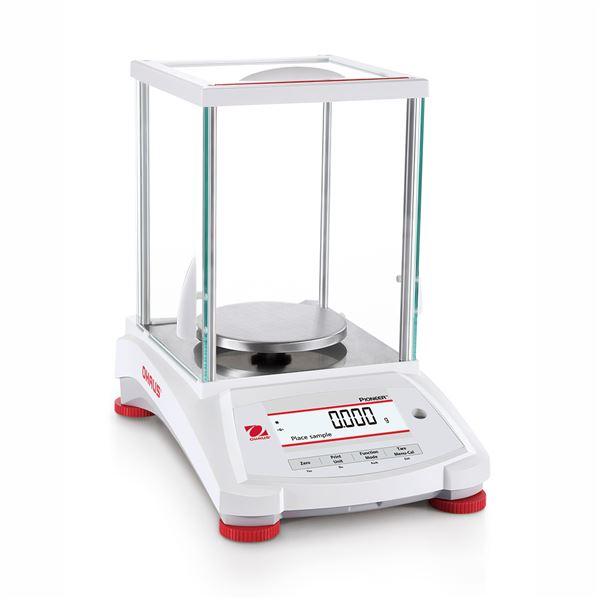
Air movement is one of the most common causes of unstable weighing results. A properly designed draft shield protects the weighing chamber from air currents, temperature fluctuations, and operator movement that can affect sensitive measurements. It helps maintain measurement stability and reduces measurement errors that affect measurement accuracy. High-quality analytical balances include transparent glass draft shields that allow users to monitor samples while maintaining a stable weighing environment. A well-designed draft shield significantly improves measurement repeatability, and stable airflow control supports accurate results during the weighing process.
3. Calibration: External Calibration and Internal Options
Proper calibration is essential for laboratories that need to maintain accuracy. Many analytical balances offer external calibration, where certified calibration weights are used to verify performance, while premium models include automatic internal calibration systems that automatically adjust the balance whenever temperature changes or at scheduled intervals. Certified weights are required for external calibration, and the analytical balance should always be leveled before use. Internal calibration reduces operator involvement and helps maintain consistent accuracy throughout the day. Laboratories operating under ISO, GLP, GMP, or FDA requirements should choose balances with reliable calibration capabilities to support quality assurance in regulated environments. Maintaining weighing accuracy requires high-quality Calibration Weights that meet laboratory standards. Explore our certified calibration weights to help verify balance performance and maintain compliance with quality assurance requirements.

4. Weighing Technology: Electromagnetic Force Restoration (EMFR)
Most modern analytical balances use Electromagnetic Force Restoration (EMFR) or electromagnetic force compensation to achieve exceptional accuracy in weight measurements. EMFR works by balancing the weight of a sample with electromagnetic forces rather than traditional mechanical systems, enabling the extremely sensitive operation and extremely high accuracy expected in professional analytical balances. This advanced technology provides faster stabilization, outstanding repeatability, long-term stability, and excellent resistance to mechanical wear. Because of its exceptional performance, EMFR has become the industry standard for professional analytical balances used in scientific laboratories worldwide.
5. High Precision Components and Repeatability
Reliable laboratory results depend on more than just high resolution. An analytical balance must also provide excellent repeatability, reflecting the balance's ability to deliver consistent, precise measurements every time the same sample is weighed under identical conditions. High-quality sensors, stable load cells, durable internal components, vibration-resistant construction, and advanced electronics in electronic balances help maintain accuracy and support accurate results over time. Laboratories performing repetitive testing rely on excellent repeatability to maintain confidence in analytical data and quality control procedures.
6. Balance Types: Analytical Scale, Precision, Micro Comparisons
Different laboratory applications require different levels of precision. Analytical balances differ from other types of laboratory balances by readability, sensitivity, and capacity, and many models have a maximum capacity from 22 g to 520 g. A semi analytical balance typically offers less sensitivity than an analytical model while still supporting accurate routine work across specific weighing range needs. Precision balances, including top loading balances and other loading balances, usually provide higher capacity across broader weight ranges but lower sensitivity, making them a practical right balance for general laboratory work, industrial weighing, and quality control. Microbalances provide even greater sensitivity, while semi micro models serve as an intermediate option for small samples that do not require full microbalance performance. Understanding these balance types helps laboratories, with careful consideration of maximum capacity and application needs, select equipment that matches their weighing requirements while avoiding unnecessary costs. For laboratories requiring premium weighing technology, our collection of OHAUS Analytical Balances offers outstanding precision, intuitive operation, and advanced laboratory features for demanding applications.

7. Connectivity, Data Integrity, and Compliance for Analytical Laboratory Balance
Today's laboratories, especially those in regulated environments, require much more than accurate weighing, including reliable connectivity and secure records. Modern analytical balances include USB, RS-232, Ethernet, and wireless communication options that allow seamless integration with laboratory software, computers, printers, and Laboratory Information Management Systems (LIMS). These features support quality assurance and reliable analytical weighing documentation. Advanced models also support electronic record keeping, audit trails, user authentication, password protection, and secure data storage. These features simplify documentation while helping laboratories maintain compliance with GLP, GMP, ISO, and FDA regulations. Laboratories looking for faster stabilization and advanced weighing technology can also explore our range of A&D Analytical Balances. These balances are trusted by pharmaceutical, research, and quality control laboratories worldwide.
8. Environmental Controls for Lab Balances
Environmental conditions have a significant impact on weighing performance. Air currents, vibration, humidity, temperature fluctuations, static electricity, and unstable work surfaces can all influence analytical balance accuracy. Laboratory professionals should avoid touching samples directly, because contamination can affect accurate measurements. Selecting an appropriate laboratory location, using anti-vibration tables, controlling room temperature, minimizing static charges, and keeping the weighing chamber clean all contribute to more reliable measurements. Proper environmental control helps maintain accurate results and supports reliable sample preparation.
9. Ergonomics, Usability, and Lab Balance Key Features
An analytical balance should be easy to operate without sacrificing precision. Large color displays, intuitive touchscreen interfaces, quick-access weighing applications, multilingual menus, programmable user profiles, and ergonomic sample loading all improve laboratory productivity. Easy-to-clean weighing chambers, removable draft shield panels, and straightforward maintenance procedures reduce downtime while improving daily efficiency. User-friendly balances help laboratories increase productivity without compromising measurement quality.
10. Accessories, Service, and Maintenance for Analytical Scale Longevity
The long-term performance of an analytical balance depends on proper maintenance for analytical scales and other precision measuring instruments, along with the availability of quality accessories. Certified calibration weights, anti-vibration tables, ionizers, protective covers, printers, density determination kits, and communication interfaces all help expand balance functionality while protecting measurement accuracy, and the weighing pan should be cleaned regularly to protect the displayed weight value. Routine cleaning, scheduled preventive maintenance, regular calibration verification, and professional servicing extend the life of laboratory balances while reducing repair costs and minimizing unexpected downtime. This routine care helps maintain accuracy in quality control applications. Using the proper Laboratory Balance Accessories helps extend equipment life while improving weighing performance.

How To Choose The Right Lab Balance
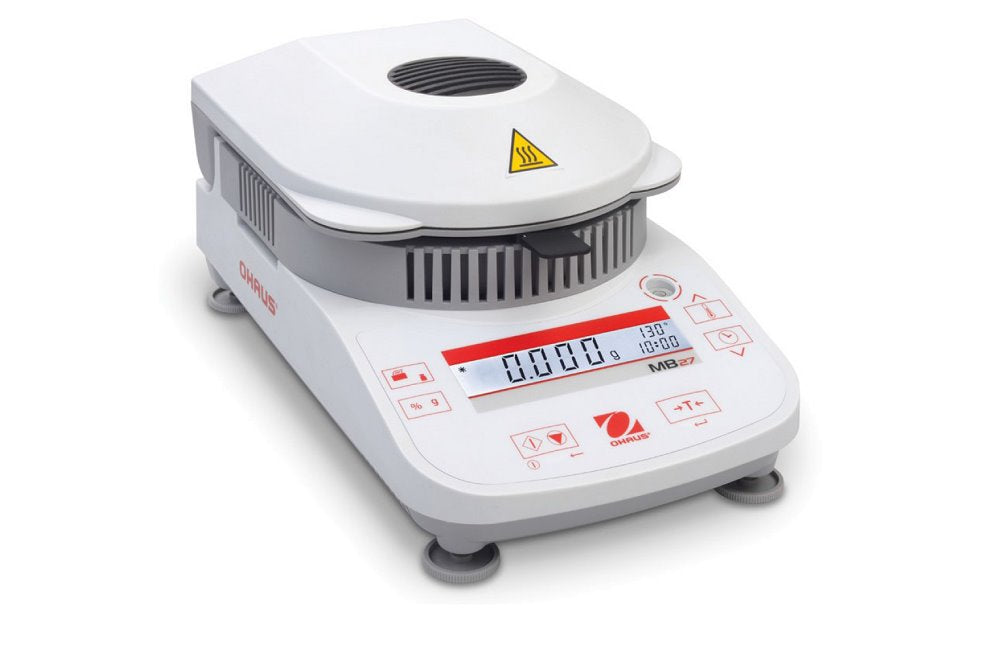
Choosing the right laboratory balance begins with careful consideration of your application, typical sample sizes, and whether analytical balances, precision balances, a moisture balance, or portable balances are the better fit. Consider the sample sizes you weigh most frequently, along with the maximum capacity and weighing range you need; many analytical balances cover 22 g to 520 g, while top loading balances are often better for higher-capacity routine work. Laboratories performing pharmaceutical analysis, chemical research, environmental testing, or quality control should invest in analytical balances that combine outstanding accuracy, reliable repeatability, advanced calibration, secure data management, and durable construction. Selecting the right balance with the right combination of features ensures consistent performance, supports regulatory compliance, improves laboratory efficiency, and provides dependable weighing results for many years. The right analytical balance should align with your quantitative analysis, quantitative chemical analysis, and quality assurance needs.

Frequently Asked Questions
What are the key features of an analytical balance?
Analytical balances are designed for highly accurate laboratory measurements. Key features include 0.1 mg readability, a draft shield to minimize air disturbances, internal or external calibration, electromagnetic force restoration (EMFR) technology, excellent repeatability, and connectivity options such as USB or RS-232. Many modern models also support GLP/GMP compliance, user management, and data recording for regulated laboratory environments.
What is an analytical balance used in laboratory?
An analytical balance is used to accurately measure small sample quantities in laboratories. It is commonly used in pharmaceutical research, chemical analysis, biotechnology, food testing, environmental laboratories, quality control, and educational institutions where precise and repeatable weight measurements are essential.
What are the specifications of analytical balances?
Typical analytical balance specifications include a readability of 0.1 mg (0.0001 g), weighing capacities ranging from approximately 80 g to 320 g or more, high repeatability, excellent linearity, draft shield protection, internal or external calibration options, and communication interfaces such as USB or RS-232. Advanced models may also include touchscreen displays, automatic calibration, data management features, and compliance with GLP, GMP, and ISO laboratory standards.