Introduction to Precision Balances
Precision balances are indispensable tools in modern laboratories, designed to deliver high accuracy and reliable performance across a wide range of applications. These digital weighing instruments are engineered to measure exact quantities of materials, from small samples to larger components, making them essential in industries such as pharmaceuticals, environmental testing, food production, and materials science. In the pharmaceutical industry, precision balances are particularly valued for their ability to provide accurate measurements of active pharmaceutical ingredients (APIs), which is critical for ensuring the safety, efficacy, and quality of drug formulations. With typical readability down to 1 milligram (0.001 grams), these balances support high accuracy in both research and production environments, helping scientists and technicians achieve consistent results and maintain rigorous quality standards. For laboratories looking to upgrade equipment, explore our precision balances collection
Overview: Ensuring Accuracy with Analytical Balances
In pharmaceutical manufacturing, even the smallest measurement error can impact product safety, regulatory compliance, and brand reputation. Precision balances and analytical balances play a critical role in maintaining strict quality control standards across laboratories and production environments. These high-precision instruments ensure that raw materials, active pharmaceutical ingredients (APIs), and finished products meet exact formulation specifications. A lab balance is an essential tool for ensuring accuracy and compliance in pharmaceutical applications and various industries, supporting reliable weight measurement and quality control.
Analytical balances, often capable of measuring down to 0.1 mg or better, are essential for laboratories that require extremely fine measurements. By integrating reliable laboratory balances into quality control workflows, pharmaceutical companies reduce batch inconsistencies, minimize material waste, and maintain compliance with global standards such as GMP and FDA regulations. High precision in weight measurement helps prevent inaccurate measurements, under-dosing, and overdosing, which is critical for patient safety. Precision balances also minimize material waste by preventing over-dispensing of expensive APIs. To compare high-sensitivity models, visit our analytical balances for laboratory applications
For example, the Ohaus EXR224 Explorer analytical balance 220 g x 0.0001 g is widely used in pharmaceutical QC environments.
Key Features of Lab Balances for Enhancing Quality Control
Modern lab balances are designed with advanced features that directly support pharmaceutical quality assurance. High readability, repeatability, and linearity ensure consistent measurement performance. Draft shields protect against air disturbances, while vibration filtering technology stabilizes readings in busy laboratory environments.
Modern balances utilize advanced technology and intuitive software, which enhance user experience, simplify complex processes, and support compliance. These innovations help achieve reliable results and enable seamless data transfer through connectivity features like USB and Bluetooth. Many precision balances also include built in calibration features, which simplify calibration and reduce maintenance time compared to manual methods.
Many precision balances also include internal calibration systems, touchscreen interfaces, and user management controls. These features reduce operator error and improve workflow efficiency. When properly selected, a laboratory balance becomes a foundational tool for achieving consistent and validated measurement processes.
Sample preparation is a critical step in pharmaceutical analysis, and precision balances play a key role in ensuring accuracy and reliability during this process. Additionally, modern analytical balances offer advanced data recording features and connectivity options that streamline data collection and reduce human error.

Balance Performance and Environmental Compensation
Environmental factors such as air currents, temperature fluctuations, humidity, air pressure, and vibration can significantly affect balance performance. Precision balances designed for pharmaceutical labs include environmental compensation systems to maintain stable readings under varying conditions.
For laboratories performing micro-level measurements, our micro balances for ultra-sensitive weighing offer advanced stabilization features. For example, the Sartorius Cubis II MCE6.6S-2S00-F micro balance 6.1 g x 0.000001 g provides exceptional environmental compensation and stability.
Data Management for Data Integrity
In today’s regulated pharmaceutical industry, data integrity is just as important as measurement accuracy. Modern analytical balances include built-in data logging, GLP/GMP compliant reporting, password-protected user access, and connectivity options such as RS-232, USB, or Ethernet.
These capabilities allow seamless integration with Laboratory Information Management Systems (LIMS). Automated recordkeeping minimizes transcription errors and ensures traceable documentation for inspections and audits. Strong data management systems protect companies from compliance risks and reinforce overall quality control processes.
Analytical Balances in Formulation Development and Food Processing
Precision balances are essential during formulation development, where exact quantities of APIs and excipients must be weighed accurately. In pharmaceutical quality control, weighing small quantities of active ingredients is critical, especially in chemistry labs and scientific research, to ensure accurate dosages and product safety. Precision balances are also used to prepare precise solutions and concentrations for chromatography (HPLC) and other analytical tests. Additionally, checkweighing with balances ensures content uniformity by verifying that each tablet or capsule contains the correct medication amount. Even micro-level deviations can alter drug potency or stability. Analytical balances provide the sensitivity required to support research, product development, and batch scaling.

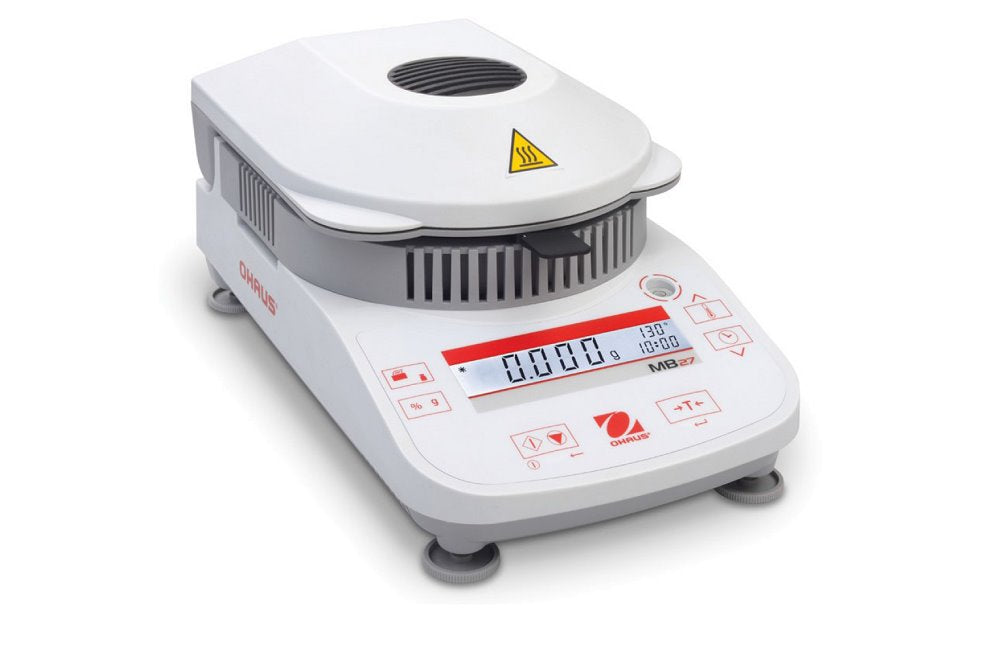
Beyond pharmaceuticals, moisture analyzers and precision balances also support food processing and nutraceutical manufacturing. Consistent ingredient measurement improves product uniformity, shelf stability, and regulatory compliance across multiple industries. Explore our moisture analyzers for pharmaceutical and food testing
Advanced Features That Support Compliance
Pharmaceutical laboratories must comply with strict regulatory standards. Good manufacturing practices (GMP) and adherence to safety regulations are essential for ensuring quality, safety, and regulatory compliance in pharmaceutical operations. Selecting a balance with the appropriate balance's capacity is crucial, as it impacts calibration practices, measurement accuracy, and compliance with pharmacopeial standards. Advanced analytical balances include audit trails, electronic signatures, tamper-proof logs, and multi-level user permissions. These features help maintain compliance with FDA 21 CFR Part 11 and international quality standards. High-performance balances available at Data Support Company laboratory balances
Some high-end balances also include automated internal calibration weights, real-time error diagnostics, and programmable application modes such as check weighing, density determination, and formulation support. High-performance balances are designed to meet strict USP <41> and <1251> requirements regarding minimum weight and accuracy. Many precision balances feature built-in static detection and elimination systems to prevent static electricity from affecting weighing accuracy. Modern balances may also include internal calibration systems such as Fully Automatic Calibration Technology (FACT). These built-in capabilities strengthen quality systems and reduce reliance on manual verification processes.
Implementation Steps for Ensuring Accuracy and Workflow Integration
Successfully integrating precision balances into pharmaceutical workflows requires careful planning. First, select a balance with appropriate capacity and readability for your application. Optimizing the weighing process is crucial for efficiency and accuracy, as analytical balances streamline this step by providing quick, precise results that save time and reduce costs. Next, ensure proper installation in a controlled environment free from drafts and vibration.

Precision balances can be integrated with existing automated systems in manufacturing plants, allowing for real-time weight data collection. Data from precision balances can be fed directly to process control systems to ensure product quality. These balances also support statistical process control (SPC) measures, providing real-time data and valuable insights into manufacturing trends and deviations. Consistent and accurate measurements decrease the rate of batch failures and the need for costly retests in pharmaceutical production.
Staff training is essential to minimize user errors. Standard operating procedures (SOPs) should outline proper weighing techniques, calibration schedules, and documentation processes. Integration with digital data systems ensures measurement traceability and enhances operational efficiency.
Integration with Existing Systems
Modern precision balances are designed to seamlessly integrate with laboratory information management systems (LIMS) and other automated data management platforms. This integration enables laboratories to achieve efficient, error-free workflows by allowing direct, real-time data transfer from the balance to digital records. By minimizing manual data entry, laboratories significantly reduce the risk of human error and enhance overall data integrity—an essential requirement for regulatory compliance in the pharmaceutical industry. Precision balances can also connect to computers, printers, and barcode scanners, streamlining data collection and record keeping. This connectivity not only supports compliance with regulatory requirements such as 21 CFR Part 11, but also improves laboratory productivity by automating routine documentation and ensuring that all weighing results are securely stored and easily accessible for audits or inspections.
Maintenance, Calibration, and Ongoing Balance Performance
Regular maintenance and calibration are critical for sustaining long-term balance performance. Internal calibration features simplify routine adjustments, but periodic external calibration using certified weights ensures accuracy verification.
Cleaning weighing chambers, monitoring environmental conditions, and scheduling preventive maintenance reduce unexpected downtime. Pharmaceutical facilities that prioritize proactive balance maintenance experience fewer deviations and improved overall production reliability.

Benefits of Precision Balances in Pharmaceutical Quality Control
Precision balances play a vital role in pharmaceutical quality control by delivering reliable measurements of active pharmaceutical ingredients and other critical materials. Accurate weighing is fundamental to ensuring that each batch of medication contains the correct dosage, directly impacting patient safety and the drug’s efficacy. By supporting precise sampling, analytical testing, and inspection processes, precision balances help pharmaceutical companies maintain strict quality control standards and meet regulatory expectations. Their high sensitivity and consistent accuracy make them essential tools for verifying raw materials, monitoring production, and validating final products, ultimately safeguarding both consumers and brand reputation.
Conclusion
Precision balances and analytical balances are fundamental to pharmaceutical quality control. From formulation development to final product verification, accurate weighing ensures safety, compliance, and consistency. By investing in high-performance laboratory balances, implementing proper calibration procedures, and maintaining strong data integrity systems, pharmaceutical companies can strengthen their quality assurance programs and protect both patients and brand reputation.
Frequently Asked Questions
What is the difference between a precision balance and an analytical balance?
A precision balance is designed for accurate routine weighing with higher capacities, while an analytical balance provides higher sensitivity (often 0.1 mg readability or better) for pharmaceutical QC, formulation, and micro-weighing tasks.
How do analytical balances support pharmaceutical quality control?
They improve batch consistency by delivering repeatable, traceable measurements for raw materials, APIs, and final checks—reducing weighing errors and supporting compliant documentation.
What environmental factors affect balance accuracy in a pharma lab?
Air drafts, vibration, temperature changes, static electricity, and humidity can all shift readings. Using draft shields, stable benches/anti-vibration tables, and controlled conditions helps protect accuracy.
How often should a pharmaceutical lab calibrate a balance?
Calibration frequency depends on SOPs, usage intensity, and risk level. Many labs verify daily or per shift with check weights, and schedule periodic full calibration/servicing to maintain compliance.
What features help with data integrity and compliance on lab balances?
Audit trails, user permissions, electronic records, secure data export, and GLP/GMP reporting support data integrity—especially when integrated with LIMS or validated workflows.