
Choosing the right precision balance is one of the most important decisions for any laboratory, industrial facility, research center, manufacturing company, or quality control department. A balance is not just a weighing tool. It directly affects accuracy, repeatability, documentation, compliance, and the reliability of test results. Whether you are weighing chemicals, samples, parts, powders, ingredients, or production materials, the right balance helps improve workflow and reduce costly measurement errors.
Precision balances are available in many capacities, readability levels, platform sizes, and technology options. Some are designed for basic laboratory weighing, while others are built for demanding research, industrial production, or regulated environments. To make the right choice, it is important to understand the difference between laboratory balances, analytical balances, precision balances, calibration needs, data connectivity, and the weighing environment.
What Are Laboratory Balances and Laboratory Scales
Laboratory balances and laboratory scales are used to measure the mass or weight of samples, materials, and products. Although the words “balance” and “scale” are sometimes used interchangeably, balances are usually designed for more accurate and sensitive weighing. Laboratory balances are commonly used in scientific research, pharmaceutical labs, education, quality control, manufacturing, food testing, chemical testing, and industrial applications.
A laboratory scale may be used for general weighing tasks where very high precision is not required. A laboratory balance, on the other hand, is often used when accuracy and repeatability are more important. The right choice depends on what you are weighing, how accurate the result must be, and whether the balance will be used in a controlled lab or a more rugged industrial setting.
Analytical Balance — Milligram Accuracy and Draft Shield
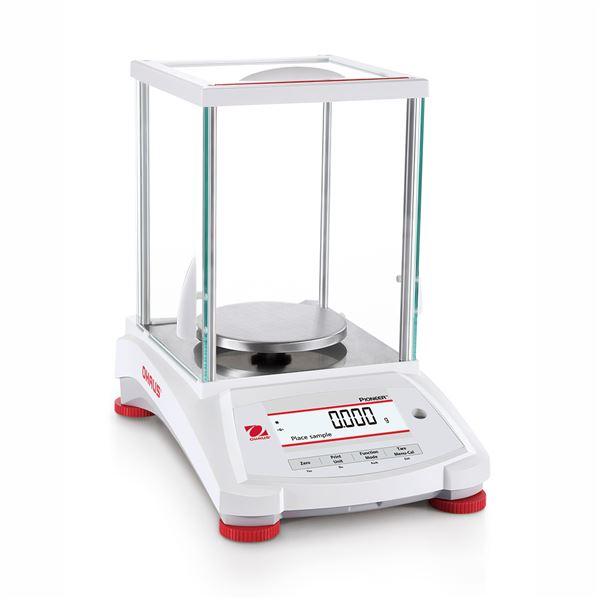
An analytical balance is designed for very precise weighing, usually with milligram or sub-milligram readability. For even smaller quantities, microbalances can measure down to one microgram. These balances are commonly used in laboratories where small sample weights must be measured accurately. Analytical balances often include a draft shield, which protects the weighing pan because these high precision instruments are extremely sensitive and their sensors are affected by air currents and thermal expansion.
A draft shield is especially important when measuring very small quantities because even air currents from a door, air conditioning vent, or nearby movement can cause unstable readings. Analytical balances are ideal for chemical analysis, formulation, research, pharmaceutical testing, and other applications where tiny weight differences matter. If your work requires critical measurements or tiny samples, an analytical balance may be the best choice.

Precision Balances and High Precision Lab Balances
Precision balances are used when you need accurate weighing but do not always require the ultra-fine readability of an analytical balance. For standard lab work, they commonly offer 1 mg to 0.1 g readability, with many models falling in the 1 mg to 10 mg range. They are available in many capacities and readability options, and many handle roughly 600 g to several kilograms, making them useful for laboratories, production areas, industrial facilities, and research environments. A precision balance can weigh larger samples than many analytical balances while still providing reliable accuracy.
High precision lab balances are often used for sample preparation, quality control, formulation, parts counting, material testing, and routine weighing tasks. They are a practical choice when you need both accuracy and flexibility for routine weighing. If your samples are heavier but still require precise measurements, a precision balance may be more suitable than an analytical balance.
Key Features To Consider
When choosing a precision balance, the first feature to consider is readability. The right balance type depends on the application. Readability refers to the smallest increment the balance can display, such as 0.1 g, 0.01 g, 0.001 g, or 0.0001 g. The smaller the readability, the more precise the balance. However, higher precision usually requires better environmental control and may cost more. As a general rule, minimum sample weight should be at least 1,000 times greater than the balance readability for dependable results.
Capacity is another important feature. Capacity tells you the maximum weight the balance can measure and helps determine how much weight it must handle in daily use. You should choose a balance with enough capacity for your heaviest samples, containers, and accessories. Precision balances are suited to lower-capacity, finer measurements, while industrial scales can handle up to 100 kg but usually offer lower readability. It is also helpful to leave extra capacity so the balance is not always used near its maximum limit.
Other important features include pan size, stabilization time, calibration type, display quality, weighing modes, data output, durability, and ease of cleaning, with the weighing pan ideally made from chemical-resistant high-grade stainless steel. For industrial use, a stronger housing and larger platform may be important. For laboratory use, accuracy, repeatability, and calibration options may matter more.
Key Features To Compare For Analytical And Precision Balances
When comparing analytical balances and precision balances, look closely at the types of laboratory balances, readability, capacity, environment, draft protection, calibration options, and intended use. Analytical balances usually offer higher readability but lower capacity. Precision balances often offer higher capacity with slightly lower readability.
A laboratory that measures very small chemical samples may need an analytical balance with a draft shield and fine readability, though specialized tasks may call for a different choice than routine work. A production facility that weighs larger materials may need a precision balance for high capacity weighing, along with durable construction. A research lab may need both types depending on the application.

It is also important to compare repeatability and linearity. Repeatability shows how consistently the balance gives the same result when the same sample is weighed multiple times. Linearity shows how accurately the balance measures across its weighing range. These specifications help determine whether the balance is suitable for your application.
Draft Shield, Static Control, And Milligram Accuracy
Draft shields help protect sensitive weighing results from air movement. If your balance has milligram accuracy or finer readability, a draft shield can make a major difference for reliable measurements. Even small air currents can cause unstable readings, especially when weighing powders, small samples, or lightweight containers.
Static electricity can also affect weighing accuracy. Static can cause samples or containers to attract or repel, leading to unstable or incorrect readings. This is common when weighing plastic containers, dry powders, or samples in low-humidity environments. Some balances and accessories include static control features to help reduce these problems.
For milligram accuracy, the weighing area should be on a stable surface, clean, level, and protected from vibration. The balance should be placed away from vents, windows, doors, heavy foot traffic, and equipment that produces vibration or heat. Good control of environmental factors helps the balance perform at its best and helps prevent measurement drift and inaccurate measurements.
Key Differences Between Analytical Balances And Precision Balances
The main difference between analytical balances and precision balances is the level of readability and the type of weighing application, so choosing the right laboratory balance starts with matching both to your use. Analytical balances are designed for very small, highly accurate measurements. They usually include a draft shield and are used in controlled laboratory environments.
Precision balances are more flexible and can handle a wider range of sample sizes. They are often used for general lab weighing, quality control, formulation, industrial weighing, and research applications. Precision balances may not always need a draft shield, especially when the readability is less sensitive or the samples are larger.
If your main priority is exceptional accuracy for critical or very small samples, choose an analytical balance. If you need accurate weighing with higher capacity and more flexibility for routine applications, choose a precision balance. In many labs and businesses, both types are useful because having each available makes it easier to use the right lab balance for different weighing needs.
How To Choose: Step-By-Step Checklist For Lab Balances
Start by identifying your application. Ask what you will measure mass for, how often you will weigh it, and how accurate the results need to be. A balance for chemical research or other laboratory settings will have different requirements than a balance for shipping, production, food testing, or parts counting, and portable balances are battery-powered for field use when weighing is not done at a bench.
Next, choose the required readability. If your process requires measurements to 0.001 g, do not choose a balance that only reads to 0.01 g. Always match the readability to your accuracy needs. Then choose the right capacity. Make sure the balance can handle the sample, container, and any additional materials used during weighing.

After that, consider the weighing environment. If the balance will be used in a clean lab, accuracy and data features may be the top priorities. If it will be used in a warehouse, production floor, or industrial area, durability and stability may be more important. Finally, review calibration, connectivity, compliance needs, budget, and whether the balance must be Legal for Trade approved if products are sold by weight before making a final decision.
Environmental Setup For High Precision Weighing
The environmental conditions around the balance have a major effect on high precision weighing, and a stable temperature improves repeatability. A balance should be placed on a stable table or anti-vibration surface, which is especially important for high precision instruments. It should be away from air vents, direct sunlight, open windows, doors, fans, and heavy traffic areas. Temperature fluctuations, air movement, vibration, and humidity can all affect weighing results.
The balance should also be level before use. Most balances include a leveling bubble and adjustable feet. A balance that is not level may produce inaccurate results. It is also important to allow the balance to warm up according to the manufacturer’s instructions before performing critical weighing for accurate readings.
For best performance, keep the weighing area clean and organized. Spills, dust, powder residue, and sample contamination can affect accuracy and damage the balance over time. A clean weighing station helps protect both the equipment and the quality of your results.
Calibration, Maintenance, And Documentation For Laboratory Balance
Calibration is essential for maintaining accurate weighing results. Some balances include automatic internal calibration, while others require external calibration weights. This feature uses built-in weights to compensate for time or temperature fluctuations. External calibration requires certified weights and proper procedures. Set a schedule for frequent calibration, and plan to calibrate most balances every 3 to 6 months.
Regular maintenance also helps extend the life of the balance. This includes cleaning the weighing pan, checking for spills, inspecting the level, avoiding overloads, and keeping the balance in a stable environment. The balance should also be recalibrated any time it is moved. A poorly maintained balance can produce unreliable readings and may require costly repairs.
Regulatory, Data Integrity, And Connectivity Needs
Many laboratories and industrial facilities need balances that support regulatory and data integrity requirements. This may include GLP, GMP, ISO, USP, or other quality standards depending on the industry. In these environments, these balances are essential tools in regulated workflows that depend on protected data, so the balance must not only weigh accurately but also help document and protect the data.
Connectivity features can make this process easier. Many modern balances include USB, RS-232, Ethernet, Bluetooth, or software compatibility. These features allow weighing results to be transferred to printers, computers, laboratory information systems, quality control software, and should provide output capabilities for integration with LIMS or ERP systems.
If your lab requires secure records, check whether the balance supports user management, audit trails, data export, time and date stamps, and password protection. These features can help reduce manual entry errors and improve traceability for stakeholders such as lab managers who review audit trails, permissions, and secure export features.
Choosing Brands, Models, And Budget Considerations
When choosing a balance, brand reputation and service support matter. Well-known balance brands often provide better reliability, technical support, calibration options, and replacement parts. A lower-cost balance may seem attractive, but it may not provide the accuracy, durability, or support needed for critical applications such as food quality control or pharmaceutical research. For use in industrial environments, buyers should also compare a balance's IP rating for dust and liquid protection.
Budget should be considered, but it should not be the only factor. The cheapest balance may cost more in the long run if it produces inaccurate results, breaks down, or does not meet compliance needs. It is better to choose a balance that fits your application, accuracy requirements, and long-term workflow. In some cases, strain gauge technology or other gauge technology may be worth comparing when durability and application fit are priorities.
Before buying, compare models based on capacity, readability, pan size, calibration type, connectivity, warranty, and available accessories. Also consider whether your facility may need professional calibration, service, or preventive maintenance after purchase, and whether some industrial models include impact shock detection to help withstand heavy-duty conditions while maintaining precision.

Final Recommendation And Next Steps
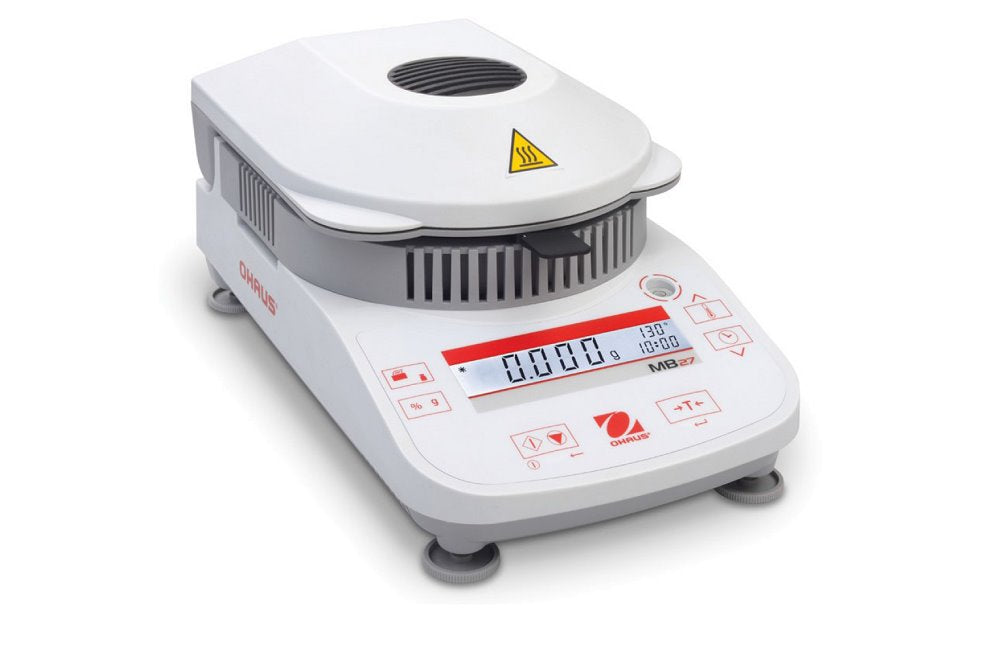
The best precision balance is the one that matches your exact weighing application. For small samples and milligram-level accuracy, an analytical balance with a draft shield and protected weighing chamber may be the best option. For very fine laboratory work, semi micro balances can also be a practical choice between analytical balances and microbalances. If your workflow includes moisture analysis, dedicated equipment may be more appropriate than a standard precision balance. For larger samples, production use, research work, or general laboratory weighing, a precision balance may offer the best combination of accuracy, capacity, and flexibility.
Before making a final decision, review your required readability, maximum capacity, weighing environment, calibration needs, data requirements, and budget so you can choose the right balance type for the application and environment. If you are unsure which model is right for your lab or business, it is helpful to compare several balances side by side and choose the one that best supports your workflow.
A quality laboratory balance is an investment in accuracy, reliability, and better results. With the right balance, proper setup, and regular calibration, your lab or facility can improve weighing performance, reduce errors, and maintain confidence in every measurement.
Frequently Asked Questions
Which balance is commonly used in laboratories?
The most commonly used balances in laboratories are analytical balances and precision balances. Analytical balances are used when very small samples need high accuracy, usually with a draft shield to protect the sample from air movement. Precision balances are used for general lab weighing, sample preparation, quality control, and research work where accurate results are needed but the sample size may be larger.
Is a weighing balance 0.01 gm accurate?
A weighing balance with 0.01 g readability can be accurate for many general laboratory, industrial, and educational weighing tasks. However, it may not be accurate enough for applications that require milligram-level measurements or very small sample weights. If your work requires higher precision, you may need a balance with 0.001 g or 0.0001 g readability. Accuracy also depends on proper calibration, stable setup, and correct use.
What are the two major types of balances used in laboratories?
The two major types of balances used in laboratories are analytical balances and precision balances. Analytical balances are designed for highly accurate weighing of small samples and usually include a draft shield. Precision balances are used for accurate weighing of larger samples and are common in laboratories, research facilities, quality control departments, and industrial environments.
How do you ensure accuracy and precision in your lab work?
To ensure accuracy and precision in lab work, use the correct balance for your application, calibrate it regularly, and place it on a stable, level surface. Keep the balance away from air drafts, vibration, heat, and direct sunlight. Always use clean containers, avoid overloading the balance, allow the reading to stabilize, and follow proper weighing procedures. Regular maintenance and documentation also help keep weighing results reliable.