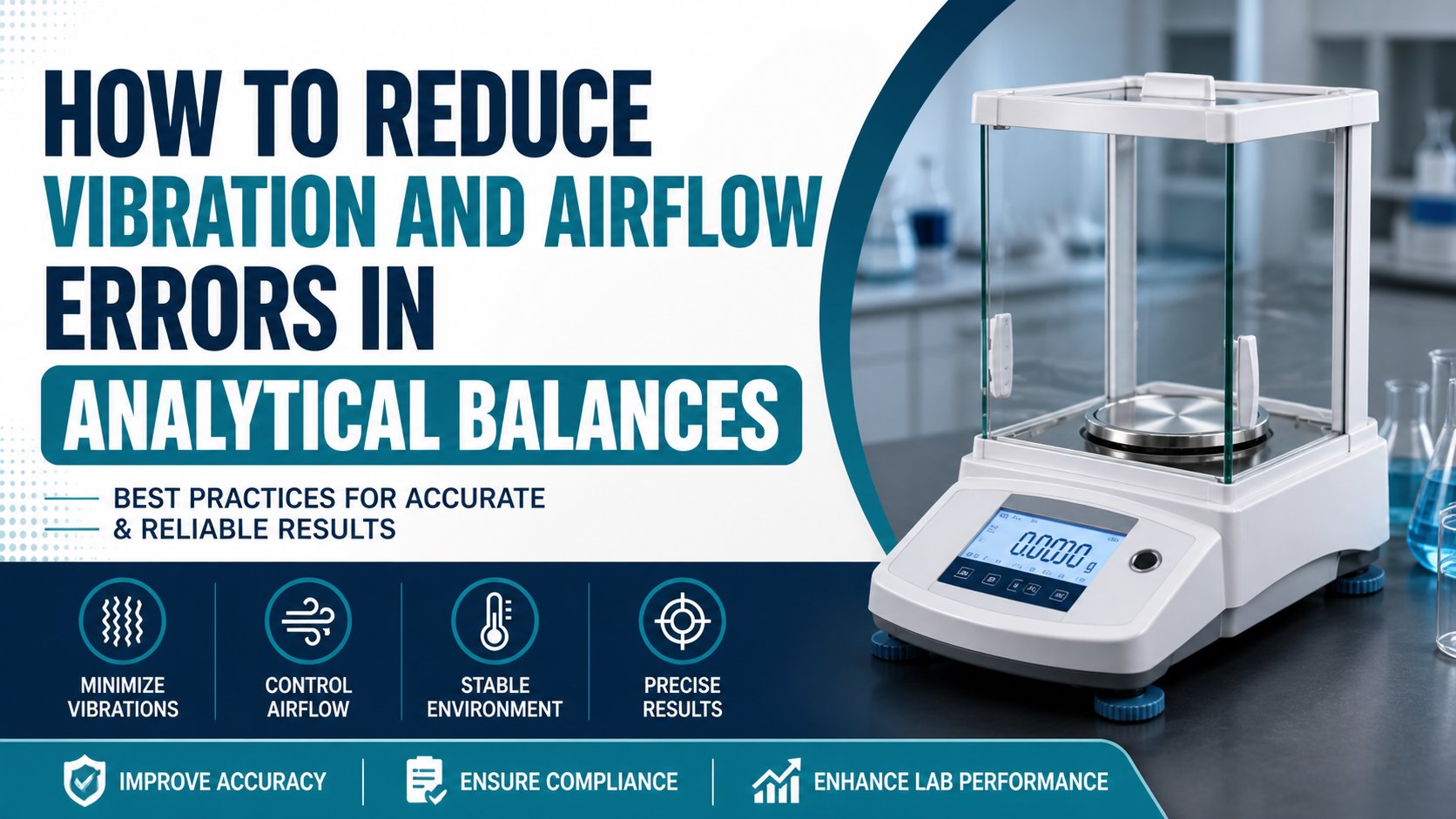
Analytical balances are highly sensitive instruments capable of measuring extremely small mass changes, often down to 0.1 mg or better. Because of this precision, stable readings and weighing accuracy are significantly affected by environmental factors such as vibration, airflow, temperature changes, and static charge. Understanding how to control these factors, along with proper positioning balances and ensuring balance stability, is essential for laboratories that rely on accurate and repeatable measurements, especially in regulated environments like pharmaceuticals, research, and quality control. Explore our analytical balances collection to find high-precision solutions for your lab.
Key Takeaways For Analytical Balances
Achieving precise results with analytical balances depends on minimizing weighing errors and ensuring careful handling of samples. Proper training and practical tips are essential for maintaining accuracy and preventing common mistakes.
To achieve reliable weighing results, laboratories must focus on environmental stability, proper equipment setup, and consistent operating procedures. Minimizing vibration and airflow, maintaining regular calibration, and following best practices for handling samples are critical steps in reducing measurement errors and improving overall accuracy.
Prepare The Lab Environment For Accurate Weighing
The foundation of accurate weighing starts with the lab environment, where controlling ambient temperature, maintaining relative humidity, and avoiding air drafts and air vents are crucial. Analytical balances should be placed in a dedicated weighing area away from foot traffic, doors, windows, HVAC vents, and heavy equipment that may cause vibrations. HVAC systems and sudden temperature changes can destabilize sensitive balances, so it is important to allow equipment and samples to reach thermal equilibrium. Many labs keep balances powered on continuously to maintain thermal stability and reduce warm-up times. For best performance, consider upgrading to laboratory analytical balances designed for controlled environments. The weighing area should be clean and controlled to minimize environmental influences. For optimal results, position the balance in a corner of the room, on a heavy, stone-slab anti-vibration table or a rigid stone or concrete-topped bench, away from doors, windows, HVAC vents, and direct sunlight. Placing the balance in a low-traffic area with stable temperature and humidity between 40-60% helps prevent air density changes and vibration from foot traffic or machinery. Positioning the balance on a solid, level surface further reduces external interference and ensures consistent readings.

Install Anti Vibration Equipment For Analytical Balance
Vibration is one of the most common causes of unstable readings. Sensitive balances require careful attention to the balance's capacity and max capacity to avoid overloading, which can damage internal mechanisms and compromise accuracy. The balance should be placed on a perfectly level surface, using the built-in bubble level or bubble level, to protect internal mechanisms and ensure accurate readings. Improper leveling can cause a non-uniform load on internal mechanisms, leading to errors. Installing an anti-vibration table or platform specifically designed for analytical balances can significantly reduce external disturbances. These tables absorb shocks from nearby equipment, footsteps, or building movement.
Improve your setup with precision-grade analytical weighing equipment built for stability and accuracy. For high-precision applications, additional damping systems or isolation pads can further enhance stability and improve measurement repeatability.
Control Airflow And Draft Shield Best Practices
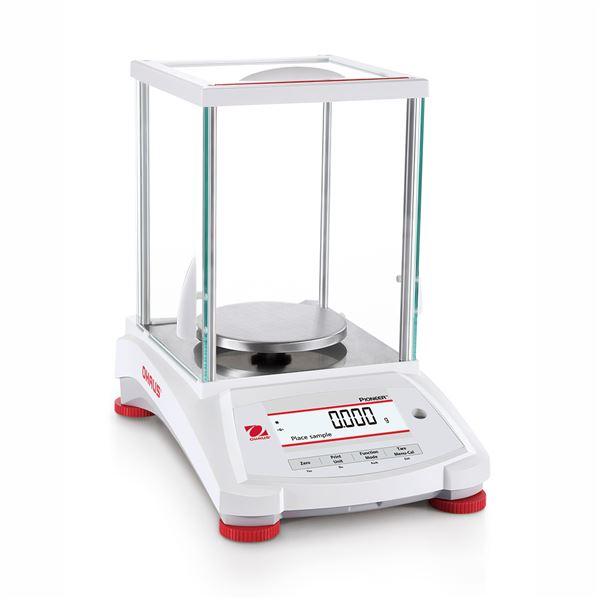
Air currents, even those that are barely noticeable, can disrupt measurements by creating buoyancy forces that lead to erratic readings. Analytical balances are typically equipped with draft shields to protect the weighing chamber from air drafts. Always keep the draft shield door closed during measurements to prevent air drafts from affecting accuracy, and avoid placing the balance near open windows, fans, or air conditioning vents. Procedural error, such as leaving the draft shield door open, can compromise measurement accuracy. Allow the balance to stabilize before recording results, and avoid sudden movements around the instrument during weighing.

Calibration And Preventing Improper Calibration
Regular calibration using appropriate calibration weights is essential to ensure measurement accuracy in analytical balances. Calibration should be performed with certified weights, such as Class E2 or F1 test weights with known uncertainty, to avoid systematic errors and maintain traceable accuracy. Ensure optimal performance with high-quality calibrated analytical balances for consistent lab results. Both internal and external calibration methods should be used according to manufacturer guidelines, and daily internal calibration is recommended before critical weighing sequences to compensate for overnight drift or environmental changes. Improper calibration—such as calibrating in an unstable environment or using incorrect weights—can introduce significant systematic errors. Documentation of every calibration event, including date, operator name, weight IDs, and results, is necessary for compliance and trend analysis to catch drift before it becomes a problem. It is best practice to calibrate the balance after installation, relocation, or significant environmental changes.
Sampling Technique To Minimize Random Errors
Proper sample handling, including the use of clean, dry, room-temperature glass vials, is essential for accurate weighing in analytical balances. Using glass vials, metal pans, or low-static weighing boats instead of lightweight, highly staticky plastic containers can significantly reduce common errors in daily lab work. Poor technique, such as improper handling or inconsistent placement, can lead to measurement errors and compromise data reliability. Always use tweezers or spatulas for handling weights and small samples, and wear gloves to prevent fingerprints and oils from contaminating samples. Place samples gently in the center of the weighing pan and avoid touching the chamber walls. Consistent sampling techniques help minimize random errors and improve reproducibility across measurements.

Cleaning, Static Control, And Contamination Prevention
Dust, residues, static charge, and static buildup can all impact balance performance and cause inconsistent readings. Regular cleaning of the weighing chamber and pan is necessary to prevent buildup of powders, liquids, and dust, as residues on the pan and inside the draft shield can introduce milligram-level errors and increase the risk of cross-contamination. Static charges, especially when weighing powders or plastics, can cause unstable results. Low humidity can cause static buildup, leading to erratic readings; using an ionizer or anti static brushes can help neutralize charges and improve accuracy. Maintaining a clean and controlled environment is key to long-term performance.
Documentation, Training, And Regulatory Requirements For Pharmaceutical Labs
In regulated industries such as pharmaceuticals, proper documentation and staff training on weighing equipment are mandatory. Standard operating procedures (SOPs) should be established for balance use, calibration, and maintenance, and proper training ensures users handle the equipment correctly and account for environmental factors. Compliance with standards such as ISO 17025, GLP, and GMP ensures traceability and data integrity. Support compliance with reliable laboratory weighing equipment used in regulated environments. Proper documentation of calibration and test results is essential for compliance and batch release decisions. Procedural errors can lead to false positives, which may compromise data integrity and regulatory compliance. Regular training ensures that all personnel follow consistent practices, reducing variability and improving reliability.
Checklist: Daily To Monthly Actions For An Analytical Balance
Daily tasks include leveling the balance, checking calibration status, and cleaning the weighing chamber. Incorporating practical tips and being aware of common errors—such as incorrect calibration, environmental factors like air currents and static electricity, and mishandling of equipment—are essential for effective daily maintenance. Weekly checks may involve verifying performance with test weights and inspecting environmental conditions. Monthly maintenance can include full calibration, detailed cleaning, and reviewing logs for any irregularities. Following a structured checklist helps minimize weighing errors and ensures accurate measurements, maintaining consistent accuracy over time.
Troubleshooting Common Sources Of Error
If you experience weighing errors or inconsistent readings, common causes often include environmental factors such as vibration, airflow, temperature fluctuations, static electricity, or improper calibration. Identifying and addressing these environmental factors and procedural errors can help resolve weighing errors and improve measurement stability. Observing patterns in errors can also help pinpoint specific environmental or procedural problems.

Summary: Keep Your Analytical Balance Calibrated For Accurate Results
Reducing vibration and airflow errors in analytical balances is essential for minimizing weighing errors, which is critical to achieving accurate measurements and precise results. Upgrade your lab today with high precision analytical balances designed for maximum accuracy and performance. Accurate readings support data integrity and compliance. By investing in anti-vibration equipment, controlling airflow, maintaining regular calibration, and training staff effectively, laboratories can ensure accurate and reliable results. A well-maintained analytical balance not only improves data quality but also supports compliance, efficiency, and confidence in every measurement.
Frequently Asked Questions
What is the effect of vibration on analytical balance?
Vibration can significantly impact the performance of an analytical balance by causing unstable or fluctuating readings. Even small movements from nearby equipment, footsteps, or building structure can interfere with the weighing process. This results in longer stabilization times and reduced accuracy. Using anti-vibration tables and placing the balance in a stable, low-traffic area helps minimize these effects and ensures more reliable measurements.
What are the common errors when using an analytical balance?
Common errors when using an analytical balance include improper calibration, exposure to air drafts, vibrations, static electricity, and incorrect sample handling. Other mistakes include not allowing the balance to warm up, placing samples off-center, and neglecting regular cleaning. These factors can lead to inconsistent or inaccurate results, making it important to follow proper operating procedures and maintenance practices.
How can air currents, vibrations, and temperature changes affect the precision of an analytical balance?
Air currents, vibrations, and temperature fluctuations can all reduce the precision of an analytical balance. Air currents can move the sample or affect the weighing chamber, causing unstable readings. Vibrations introduce mechanical disturbances that prevent the balance from stabilizing properly. Temperature changes can alter both the balance components and the sample weight due to expansion or air density variations. Controlling these environmental factors is essential for achieving precise and repeatable results.
What are the factors that affect the accuracy of analytical balance?
Several factors affect the accuracy of an analytical balance, including environmental conditions, calibration status, sample handling techniques, and equipment maintenance. Key influences include vibration, airflow, temperature and humidity changes, static electricity, and contamination from dust or residues. Proper calibration, controlled lab conditions, and consistent handling procedures are critical to maintaining accurate and dependable measurements.