Key Takeaways
-
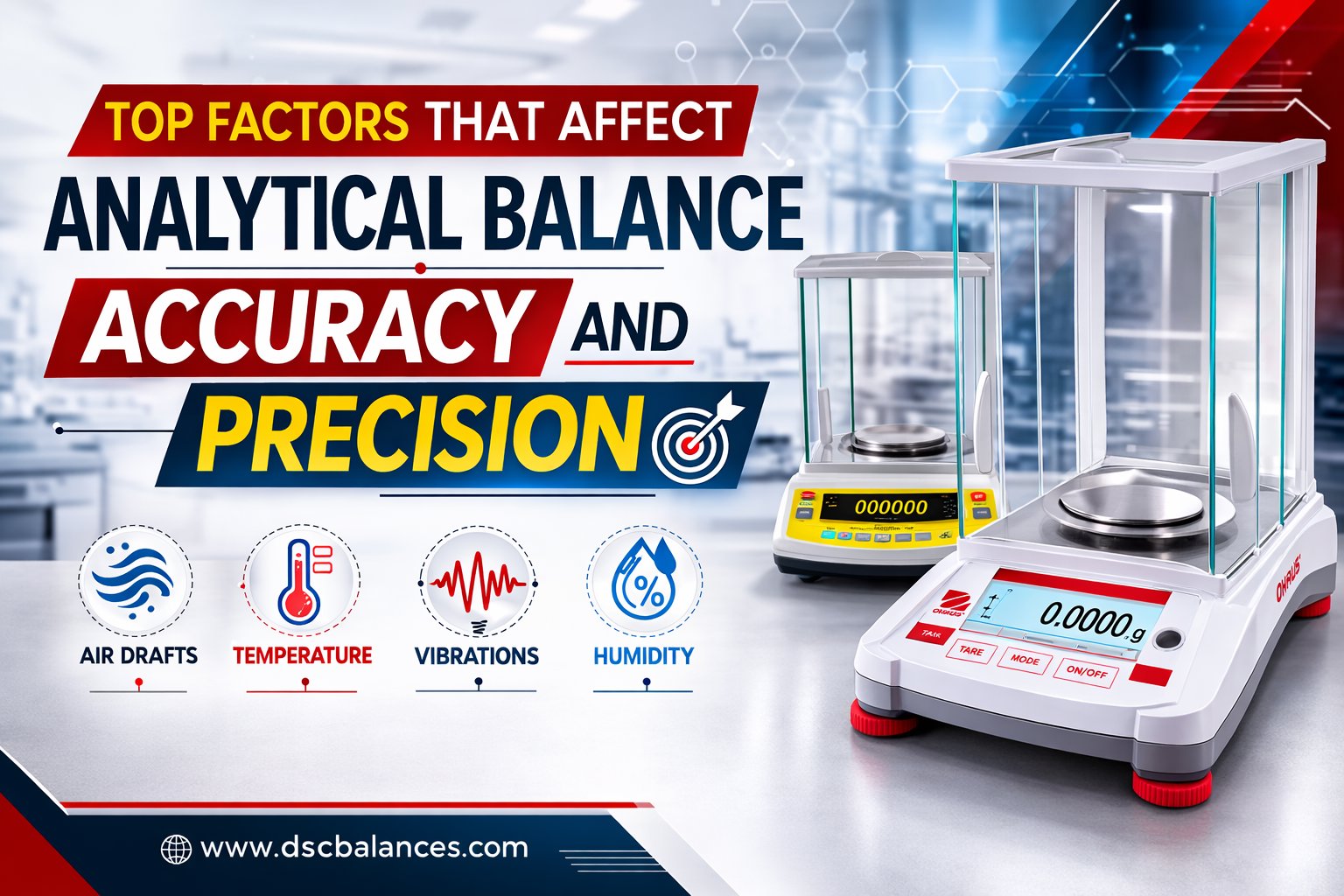
Calibration, environment (temperature, humidity, air currents), vibration, static electricity, and operator technique are the main drivers of analytical balance accuracy and precision.
-
Analytical balances typically read to 0.0001 g (0.1 mg), meaning even small disturbances like a 1°C temperature shift or brief draft can create significant relative errors.
-
A controlled environment—around 20°C, 40–50% relative humidity, and minimal air flow—combined with regular calibration represents the fastest path to reliable results.
-
Proper sample handling including thermal acclimation, sealed containers, and minimal physical contact protects both accuracy (trueness) and precision (repeatability).
-
This article provides practical, lab-ready steps to minimize each source of error in your weighing system.
Why Analytical Balances Are So Sensitive
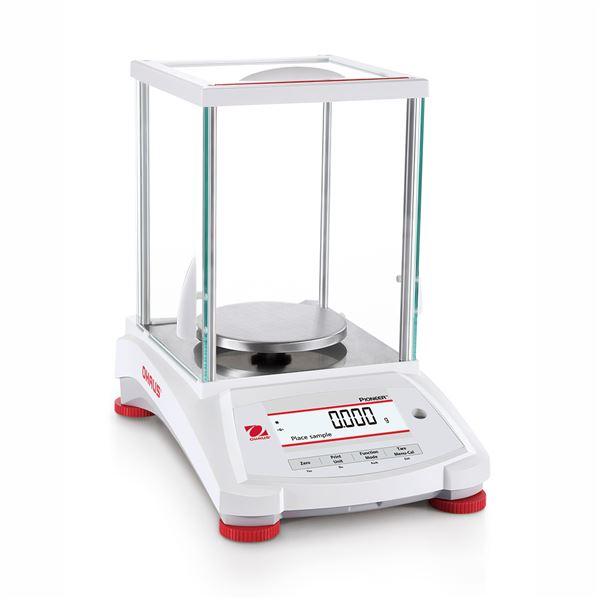
Modern analytical balances commonly resolve to 0.0001 g and serve as the backbone of quantitative analysis in pharmaceutical, chemical, and academic laboratories. These instruments detect mass changes as small as 0.1 mg—roughly the weight of a single grain of salt—making them indispensable for formulation work, quality control, and research applications where every microgram matters.
If you are selecting instruments for critical lab work, explore our analytical balances for laboratory applications. Understanding the distinction between accuracy and precision is essential for anyone working with these instruments. Accuracy refers to how close your measurement readings are to the true value, while precision describes the repeatability of those measurements.
Because the balance is so sensitive, factors that seem trivial in everyday life become significant sources of error. A 1°C temperature drift, a small draft from an air vent, or static charges on a plastic weigh boat can visibly shift your readings. For laboratories requiring even higher sensitivity, consider micro balances for ultra-sensitive weighing
Calibration and Routine Verification
Calibration is the primary control for accuracy, while routine verification checks confirm both accuracy and precision between formal calibrations. Without proper calibration, even the most sophisticated high quality balance will produce drifting measurement readings.
For example, the Ohaus EXR224 Explorer analytical balance 220 g x 0.0001 g includes advanced internal calibration systems designed to maintain consistent accuracy:
Daily internal calibration should be performed where available. Most modern balances include an internal calibration feature that automatically adjusts the instrument using built-in reference weights. External calibration using certified weights should follow a scheduled protocol—weekly or monthly depending on your application.
Environmental Conditions: Temperature, Humidity, and Air Currents
Environmental control is the single biggest non-calibration factor in analytical balance performance. To improve environmental stability in regulated laboratories, many facilities install anti-vibration tables for laboratory balances. Maintain laboratory relative humidity in the 40–50% range. Air currents represent one of the most common sources of non repeatable measurements.
For additional support in regulated environments, browse our precision balances for quality control laboratories
Temperature Control
Temperature changes affect both the balance mechanics and the sample itself through expansion, contraction, and evaporation. Maintain a stable room temperature around 20°C (68°F) with minimal hourly fluctuation. The ambient temperature should remain consistent throughout the weighing session.
Samples and containers must reach room temperature before weighing. Allow 30–60 minutes for thermal acclimation in a closed container. Hot or cold samples create convection currents inside the draft shield that cause readings to drift continuously, preventing stable weight measurements.

Humidity Management
Humidity extremes create problems at both ends of the spectrum:
Low humidity (<35–40% RH): Increases static charges on containers and samples
High humidity (>60% RH): Promotes moisture absorption by hygroscopic samples
Maintain laboratory relative humidity in the 40–50% range using dehumidifiers or humidifiers as needed. This range balances static control with minimizing moisture uptake.
Air Current Control
Air currents represent one of the most common sources of non repeatable measurements. Drafts from doors, windows, HVAC systems, air conditioners, and air vents can easily cause readings to fluctuate in the last decimal places.
Position the balance in a quiet, low-traffic area away from:
- Air vents and air conditioners
- Open windows and exterior doors
- Areas with frequent foot traffic
- Fume hood openings
Always keep the balance doors closed during measurements and use the draft shield properly. The controlled environment you create directly impacts whether you achieve accurate results or spend hours troubleshooting unexplained variability.
Mechanical Stability: Vibration, Leveling, and Balance Installation
Mechanical stability directly affects precision and repeatability.
High-performance models like the Sartorius Cubis II MCE6.6S-2S00-F micro balance 6.1 g x 0.000001 g are engineered to minimize vibration sensitivity in demanding applications: Verify leveling daily and ensure the balance rests on a dedicated surface.
Vibration Sources and Solutions
Common vibration sources in the laboratory setting include:
-
Centrifuges and shakers
-
Refrigerators and freezers cycling on/off
-
Foot traffic in nearby corridors
-
Building HVAC systems
-
Doors that slam shut
Install the analytical balance on a dedicated, heavy, vibration-damped weighing table with a granite or stone top. This table should be separate from main laboratory benches where other work occurs. Studies have shown that proper anti-vibration tables can reduce measurement variability by up to 70%.
Leveling Requirements
Verify that the balance rests on a level surface by checking the built-in leveling bubble before each day’s work and after any movement. Adjust the leveling feet as necessary to center the bubble.
An unlevel balance introduces:
-
Systematic error (bias in one direction)
-
Poor repeatability
-
Increased sensitivity to load position on the pan
These effects become particularly pronounced for high-capacity analytical or semi-micro models operating near their maximum capacity.

Installation Best Practices
-
Locate the balance away from high-traffic corridors
-
Ensure cables and power supplies do not pull on or bump the balance chassis
-
Keep the work space free from clutter that might accidentally contact the instrument
-
Avoid placing the balance near heavy equipment that cycles on and off
Static Electricity and Electromagnetic Interference
Electrostatic and electromagnetic effects often manifest as drifting or jumping readings despite proper calibration. These external influences can cause measurement errors of several milligrams on sensitive instruments—enough to invalidate analytical work requiring microgram precision.
Understanding Static Buildup
Static electricity builds up easily on:
-
Plastic weigh boats and containers
-
Glassware (especially when dry)
-
Powdered samples
-
Sample materials with low conductivity
Low-humidity environments (<40% RH) significantly increase static problems. The charges create attractive or repulsive forces that directly affect the weight displayed, leading to inaccurate readings that appear random or unstable.
Electromagnetic Interference
Strong electromagnetic fields from nearby motors, transformers, or wireless equipment can interfere with balance electronics. Maintain the distance specified in the manufacturer’s manual between the balance and potential interference sources. Improper grounding can also allow electromagnetic noise to affect readings.
Sample Properties and Handling Technique
The nature of the material being weighed can be just as important as the balance itself. Understanding how different sample materials behave during weighing helps you select appropriate techniques and containers for accurate measurements.
Hygroscopic Materials
Hygroscopic samples readily absorb atmospheric moisture, leading to weight increases if exposed too long before or during weighing. These materials can gain 0.5–2 mg under sub-optimal conditions, significantly affecting measurement accuracy.
Best practices for hygroscopic samples:
-
Store in sealed containers until immediately before weighing
-
Weigh quickly once exposed
-
Use desiccated environments when possible
-
Consider weighing by difference techniques
Volatile Substances
Volatile liquids and solvents evaporate during weighing, causing apparent weight loss and noisy readings. This effect accelerates in open vessels and warmer environments.
Solutions include:
-
Using sealed containers with narrow necks
-
Adding lids, stoppers, or watch glasses
-
Working in cooler (but still controlled) conditions
-
Minimizing time with container open
Temperature Equilibration
Hot or cold samples create convection currents inside the draft shield that prevent stable readings. Always let samples equilibrate to room temperature in a closed container before weighing. This typically requires 30–60 minutes depending on sample size and temperature differences from ambient.
Handling Technique
Proper sample handling protects both accuracy and precision:
-
Use tweezers, forceps, or gloves to handle weights and containers
-
Avoid fingerprints that add oils and mass
-
Prevent heat transfer from hands
-
Center samples on the pan to avoid off-center loading errors
-
Weigh quickly but carefully—open the draft shield only as needed
-
Allow readings to stabilize before recording
Small samples and those with large surface areas are more affected by air buoyancy and drafts. These may require longer stabilization times or buoyancy corrections in high-precision work.
Operator Practices and Standard Operating Procedures (SOPs)
Even a perfectly installed and calibrated balance can produce poor results if operators use inconsistent or incorrect techniques. Operator error remains one of the most significant yet addressable factors affecting analytical balance accuracy.

Developing Effective SOPs
Create clear, written standard operating procedures covering:
-
Balance warm-up time (typically 30 minutes before critical work)
-
Calibration and verification schedules
-
Cleaning routines and approved materials
-
Sample handling requirements
-
Taring procedures
-
Data recording protocols
Critical Operator Practices
Warm-up time: Switch the balance on early enough—often 30 minutes minimum—to allow internal electronics and the load cell to thermally stabilize before critical measurements.
Taring procedure: Always tare with the final container or weighing paper in place. Ensure items are centered on the pan to ensure accurate readings free from off-center loading errors.
Cleanliness: Regularly clean the pan, draft shield, and surrounding area with appropriate lint-free materials. A cluttered work space increases contamination risks and the chance of accidental contact with the balance.
Consistency: Encourage uniform weighing techniques between operators to improve both precision and comparability of results across the team. Variations in technique between operators can introduce as much error as environmental factors in some settings.
Training and Competency
Provide proper training for all balance users, including periodic refreshers. New staff must understand the impact of environment, static, and handling on microgram-level measurements. Document training to support quality management systems and ensure strict procedures are followed consistently.
Maintaining Long-Term Accuracy and Precision
Long-term balance performance depends on combining preventive maintenance, documentation, and professional servicing.
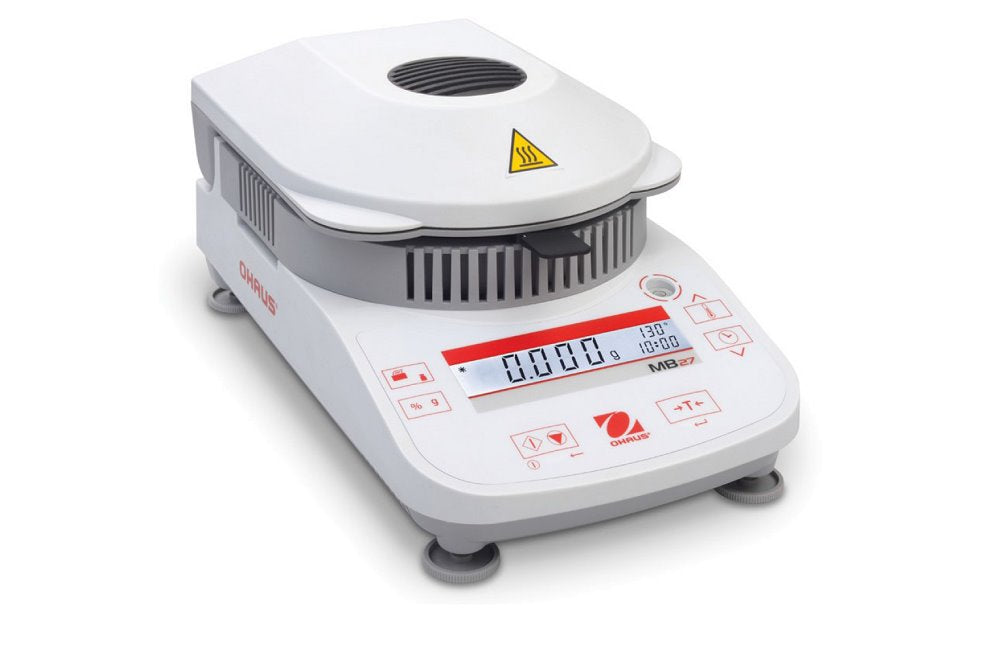
If your lab also performs moisture content testing, consider integrating moisture analyzers for laboratory testing The right balance for your application, maintained properly, will deliver reliable results for years.
Professional Servicing
Arrange periodic professional servicing to:
-
Inspect mechanical components
-
Verify linearity across the full range
-
Issue calibration certificates for regulatory compliance
-
Identify developing problems before they affect results
Performance Monitoring
Monitor balance performance trends using control charts that track daily test-weight results. This approach helps detect:
-
Gradual drift requiring recalibration
-
Sudden changes indicating mechanical problems
-
Environmental influences affecting specific times or seasons
Firmware updates, replacement of worn draft shield components, and verification after any relocation help sustain performance. The right balance for your application, maintained properly, will deliver reliable results for years.
Managing environment, hardware, sample handling, and human factors together is the most reliable path to high-quality weighing data. No single factor operates in isolation—ensuring reliable and accurate measurements requires attention to the complete weighing system.
Frequently Asked Questions (FAQ)
How often should I calibrate an analytical balance in routine laboratory use?
A common practice involves daily internal calibration (if the balance supports this feature), weekly or monthly external calibration with certified weights, and full professional calibration at least once per year. More frequent calibration is advisable in regulated environments such as GMP or GLP labs, or where the balance is used near its minimum sample weight. Document all calibration activities to demonstrate compliance during audits.
What is the ideal room environment for high-precision weighing?
Target approximately 20°C (68°F) with minimal fluctuation throughout the day, and maintain relative humidity between 40–50% RH. This range balances static control against moisture absorption concerns. The room should feature low draft conditions, minimal vibration, and separation from fume hoods, exterior doors, and heavy equipment. A dedicated weighing room or alcove represents the ideal configuration for critical weighing applications.
Why does the reading keep drifting even after I close the draft shield?
Common causes include samples that remain warmer or colder than room temperature (creating convection currents), volatile or hygroscopic materials that gain or lose mass, static electricity on containers, or a balance that has not thermally stabilized. Check these factors systematically: let samples equilibrate to room temperature in sealed containers, discharge static with an ionizer, and confirm the balance has been powered on for at least 30 minutes. External factors like nearby air vents or vibration sources may also contribute.
Can I place an analytical balance inside a fume hood?
Fume hoods typically generate strong, variable airflows that cause unstable readings and poor precision. Balances should generally be installed outside hoods in a dedicated weighing area with a controlled environment. If hazardous powders or vapors require containment, specialized low-turbulence weighing enclosures or balance safety enclosures are preferred over standard fume hoods. These advanced features provide containment while minimizing air flow disturbance.
What is the minimum sample weight I can reliably measure?
Each balance has a specified minimum sample weight for acceptable accuracy and uncertainty, typically provided in manufacturer documentation or calculated from repeatability data. Operating near or below this minimum dramatically increases relative error percentages. For very small samples, use techniques like weighing by difference (measuring the container before and after adding sample) to improve accuracy. Consult your balance specifications and consider whether a semi-micro or microbalance might better suit weighing applications involving very small quantities.