
Key Takeaways
-
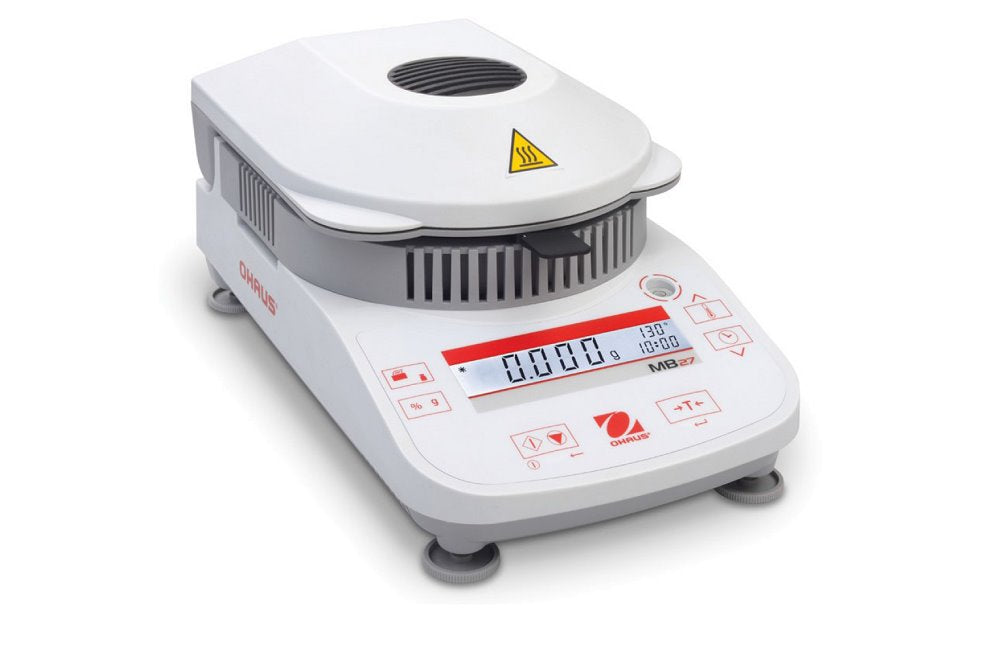
The primary instrument used to measure mass is the balance, which includes modern electronic balances, analytical balances, and traditional beam balances that directly compare unknown masses to known reference standards.
-
Laboratory settings typically require precision balances (0.001-0.01 g readability) or analytical balances (0.0001 g readability), while everyday applications use digital scales that measure weight and convert it to mass readings.
-
Mass and weight are different physical quantities - mass refers to the amount of matter in an object, while weight is the gravitational force acting on that mass, which varies with location.
-
Specialized instruments like mass spectrometers measure mass at the molecular level, while vibrating tube mass sensors and other advanced transducers provide continuous mass monitoring in industrial processes.
-
Accurate mass measurements require proper instrument selection, regular calibration, controlled environmental conditions, and correct operating procedures to minimize measurement errors.
Definition: What Does It Mean to Measure Mass?
Mass represents the fundamental amount of matter contained within an object, remaining constant regardless of location or environmental conditions. Unlike volume, which describes the space an object occupies, or density, which relates mass to volume, mass is an intrinsic property that defines the quantity of substance present. When we measure mass, we assign a numerical value to this quantity using standardized metric units, with the kilogram serving as the SI base unit, alongside smaller units like grams, milligrams, and micrograms for precise laboratory work.
In practical applications, mass measurement involves comparing an unknown object against known reference masses or converting force measurements to mass values through calibrated instruments. This process underpins countless scientific, industrial, and commercial activities, from mixing precise reagent quantities in analytical chemistry to formulating pharmaceutical products with exacting specifications. Whether determining the mass of an object for shipping costs or weighing ingredients for a recipe, accurate mass determination requires specialized instruments designed to provide reliable results within specific precision ranges.
The measurement process itself relies on fundamental physics principles, where instruments either achieve equilibrium between unknown and known masses or measure the gravitational force exerted by an object and calculate its corresponding mass. This distinction becomes crucial when selecting appropriate instrumentation, as different applications require varying levels of precision, from simple gram-level accuracy for household use to microgram sensitivity for advanced scientific research.
The Primary Instrument Used to Measure Mass: The Balance
The balance stands as the primary instrument used to measure mass across scientific, industrial, and educational settings. Operating on the fundamental principle of equilibrium, a balance determines mass by comparing an unknown object to known reference standards or by measuring the force required to counteract gravitational pull through calibrated mechanisms. This direct comparison method provides accurate mass measurements independent of local gravitational variations, making balances the gold standard for precise mass determination.
Modern electronic balances employ sophisticated internal mechanisms that automatically calibrate against built-in reference weights, display digital readouts for immediate results, and offer automatic taring functions to subtract container masses. These instruments achieve remarkable precision through electromagnetic force restoration systems, where electrical currents precisely counteract gravitational forces to maintain equilibrium positions. The resulting measurements appear on digital displays within seconds, eliminating the manual calculations required by traditional methods.

The main families of balances serve different precision requirements and applications:
-
Analytical balances provide the highest precision, typically reading to 0.1 mg (0.0001 g) or better, with maximum capacities around 100-300 grams
-
Precision balances offer readability of 0.001 g to 0.01 g with larger capacities from hundreds of grams to several kilograms
-
Microbalances and ultramicrobalances achieve microgram-level precision for specialized applications requiring extreme accuracy
-
Top loading digital balances provide general-purpose laboratory functionality with robust construction and moderate precision
-
Triple beam balances use mechanical sliding riders on graduated beams, offering educational value and reliability without electrical power requirements
Each balance type incorporates specific design features optimized for its intended use, from enclosed draft shields protecting sensitive analytical measurements to heavy-duty platforms supporting industrial weighing operations.
Types of Balances Used for Measuring Mass
Different balance types cater to specific accuracy requirements, sample sizes, and working environments, from elementary classrooms to advanced research facilities. Understanding these variations helps users select appropriate instruments for their particular applications and ensures reliable measurement results across diverse settings.
Analytical Balances
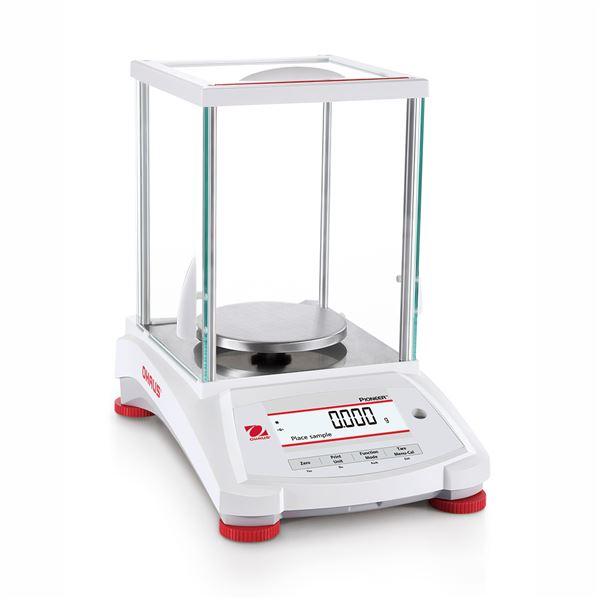
Analytical balances represent the pinnacle of precision in laboratory mass measurement, featuring enclosed draft shields that protect sensitive measurements from air currents and environmental disturbances. These precision balances achieve readability down to 0.0001 g (0.1 mg) with typical maximum capacities of 100-300 grams, making them indispensable for analytical chemistry, pharmaceutical development, and quality control operations. The enclosed weighing chamber includes sliding glass panels that users close during measurements, while internal calibration weights automatically verify instrument accuracy throughout the day.
Modern analytical balances incorporate electromagnetic force restoration technology, where precision coils within magnetic fields generate forces that precisely counteract gravitational pull on samples. This mechanism provides exceptional stability and repeatability, crucial for quantitative analysis where measurement uncertainty must remain minimal. Temperature compensation systems adjust for environmental variations, while sophisticated electronics filter vibrations and electrical interference that could affect readings.
Precision and Top-Loading Balances
Precision balances, often called top-loading balances, offer greater durability and larger capacity ranges while maintaining accuracy suitable for most laboratory applications. These instruments typically provide readability from 0.001 g to 0.01 g with capacities ranging from several hundred grams up to multiple kilograms, making them ideal for general-purpose laboratory work including solution preparation, sample batching, and routine quality control testing.
The open pan design allows easy access for larger samples and containers, while built-in windscreens provide protection from moderate air currents without requiring fully enclosed chambers. Many precision balances include programmable features such as parts counting modes, percentage weighing, and statistical functions that enhance productivity in repetitive weighing tasks.
Microbalances and Ultramicrobalances
Microbalances and ultramicrobalances extend measurement capabilities into the microgram and sub-microgram ranges, supporting specialized applications in materials science, trace analysis, and filter weighing protocols. These highly sensitive instruments require carefully controlled environments with vibration isolation, temperature stability, and minimal air movement to achieve their specified performance levels.
Research applications utilizing these balances include characterizing nanoparticles, measuring atmospheric particulates on filter media, and determining moisture content in small samples. The extreme sensitivity demands meticulous sample handling procedures and specialized training for operators to achieve reliable results.
Triple Beam Balances and Mechanical Instruments
Triple beam balances remain popular in educational settings and basic laboratory applications due to their durability, simplicity, and independence from electrical power. These mechanical balances use sliding riders on three parallel beams marked with gram graduations, allowing users to determine mass by positioning riders until the balance beam reaches equilibrium.
With typical readability around 0.1 g and maximum capacities of several hundred grams, triple beam balances provide adequate precision for many educational experiments and routine measurements. Their robust construction withstands heavy use in high school labs and field applications where electronic instruments might be impractical or unavailable.
Scales and Other Instruments That Measure Mass in Everyday and Industrial Use
Beyond laboratory environments, everyday life relies extensively on various scales that measure mass for commercial, domestic, and industrial applications. While people commonly refer to these devices as “scales” rather than “balances,” they serve the essential function of determining object mass for pricing, inventory control, shipping, and personal monitoring purposes.
Mechanical and Digital Household Scales
Household applications include bathroom scales for monitoring body weight, kitchen scales for recipe measurements, and small postal scales for shipping packages. Traditional mechanical spring scales rely on Hooke’s law, where spring extension correlates directly with applied force, while modern digital scales employ strain gauge load cells that convert mechanical deformation into electrical signals for mass calculation.
Digital kitchen scales typically offer readability from 1 gram to 0.1 grams with maximum capacities around 5-10 kilograms, providing sufficient accuracy for cooking and baking applications. Many include features such as tare functions for container subtraction, unit conversion between metric and imperial measurements, and timer functions for food preparation.

Commercial and Retail Scales
Retail environments rely heavily on various scale types for transaction accuracy and inventory management. Supermarket checkout scales determine produce pricing based on weight, while deli counters use portion control scales for food service operations. These legal-for-trade instruments must meet strict accuracy requirements and undergo regular certification to ensure fair commercial transactions.
Counting scales provide specialized functionality for inventory control, using precise mass measurements of sample quantities to calculate total piece counts for screws, pills, or other uniform items. This application demonstrates how accurate mass determination enables efficient business operations beyond simple weighing tasks.
Industrial Platform and Floor Scales
Manufacturing and logistics operations utilize heavy-duty platform scales, floor scales, and weighbridge systems to handle masses from kilograms to multiple tonnes. These industrial instruments often incorporate multiple load cells positioned strategically beneath weighing surfaces to distribute loads evenly while maintaining measurement accuracy.
Specialized applications include tank weighing systems that monitor material levels in storage vessels, crane scales for suspended loads, and conveyor belt scales that measure flowing materials in continuous processes. Process control applications use these measurements for automated batching, mixing ratios, and quality assurance protocols.
Specialized Instruments for Measuring Mass in Science and Engineering
Advanced scientific applications require specialized instruments that extend mass measurement capabilities beyond conventional balances and scales. These sophisticated devices measure mass at molecular scales, in challenging environments, or as part of continuous monitoring systems where traditional balances cannot operate effectively.
Mass Spectrometers
Mass spectrometers represent perhaps the most sophisticated approach to mass measurement, determining the mass-to-charge ratio of individual ions to identify atomic and molecular compositions with extraordinary precision. These analytical instruments ionize sample molecules, separate the resulting ions based on their mass-to-charge ratios, and detect them to generate detailed mass spectra that reveal molecular weights and structural information.
Modern mass spectrometers achieve mass accuracy in the parts-per-million range, enabling identification of unknown compounds, quantification of trace contaminants, and elucidation of complex molecular structures. Applications span chemistry, biology, environmental analysis, forensics, and pharmaceutical development, where precise molecular mass determination provides critical analytical information unavailable through other measurement techniques.
Mass vs. Weight: Why the Distinction Matters When Choosing Instruments
Understanding the fundamental difference between mass and weight proves crucial for selecting appropriate measurement instruments and interpreting results correctly. Mass represents the amount of matter in an object and remains constant regardless of location, while weight equals the gravitational force acting on that mass (weight = mass × gravitational acceleration) and varies with local gravity conditions.
True Mass Measurement vs. Force-Based Scales
Balances that compare unknown masses to known reference standards effectively measure mass directly and remain largely insensitive to gravitational variations. Whether using a traditional beam balance with standard weights or a sophisticated analytical balance with internal calibration masses, these instruments determine mass through direct comparison principles that automatically compensate for local gravity differences.
Conversely, spring scales, bathroom scales, and many digital scales measure the gravitational force (weight) exerted by an object and convert this force measurement to a displayed mass value assuming standard gravitational acceleration. While this approach provides adequate accuracy for most practical applications, it can introduce small errors when instruments calibrated at one location operate in areas with different gravitational field strengths.
Practical Implications and Examples
Consider an object with a mass of 10 kilograms: this mass remains constant whether measured on Earth, the Moon, or in space. However, a spring scale calibrated on Earth would indicate approximately 1.67 kg when used on the Moon due to the reduced gravitational acceleration, while a properly designed balance using reference masses would correctly indicate 10 kg in both locations.
For precision scientific work, researchers rely on balances calibrated against traceable mass standards to ensure measurement consistency across different locations and laboratories. This traceability chain ultimately connects to international standards maintained by national metrology institutes, providing confidence in measurement accuracy for critical applications.
How to Properly Use a Balance to Measure Mass
Proper balance operation requires careful attention to environmental conditions, instrument preparation, and measurement procedures to ensure accurate results. Even the most sophisticated analytical balance produces unreliable data when operated incorrectly, making proper technique essential for quality measurements across all applications.

Instrument Preparation and Environmental Setup
Electronic balances require adequate warm-up time, typically 30 minutes to several hours depending on the instrument type, to reach thermal equilibrium and stabilize internal electronics. During this period, the balance performs internal calibrations and adjustments that optimize measurement accuracy. Users should verify that the instrument sits on a stable, vibration-free surface away from air currents, heat sources, and electromagnetic interference.
Laboratory balances benefit from dedicated weighing tables with vibration dampening and draft shields to minimize environmental disturbances. The weighing area should maintain stable temperature and humidity conditions, as thermal fluctuations can affect both instrument performance and sample properties, particularly for hygroscopic materials that absorb moisture from ambient air.
Step-by-Step Weighing Procedure
Begin each measurement session by verifying that the balance displays zero when empty, using the tare function if necessary to eliminate any residual readings. Place a clean, dry container or weighing paper on the weighing pan, allow the reading to stabilize, then press the tare button to zero the display and subtract the container mass from subsequent readings.
Add the sample material carefully to avoid spilling or creating air currents that might disturb the measurement. For analytical balances, close the draft shield doors and wait for the reading to stabilize before recording the mass value. Always record measurements with appropriate units and significant figures based on the instrument’s readability and precision specifications.
Common Sources of Error in Mass Measurement and How to Minimize Them
Recognizing and controlling potential error sources ensures reliable mass measurements across laboratory, industrial, and commercial applications. Environmental influences, instrument limitations, and operator techniques all contribute to measurement uncertainty, but understanding these factors enables effective mitigation strategies.
Environmental Influences
Air currents represent one of the most common sources of measurement error, particularly for sensitive balances measuring small masses. Even gentle air movement from heating/cooling systems, open doors, or operator movement can cause apparent mass fluctuations that compromise accuracy. Draft shields around analytical balances minimize these effects, while strategic placement away from air circulation systems further reduces environmental disturbances.
Temperature variations affect both instruments and samples in multiple ways. Electronic components drift with temperature changes, potentially affecting calibration accuracy, while thermal expansion of balance components can introduce mechanical errors. Sample materials may absorb or release moisture as temperatures fluctuate, causing real mass changes during measurement. Maintaining stable environmental conditions and allowing adequate thermal equilibration time minimizes these temperature-related errors.
Vibrations from nearby equipment, foot traffic, or building systems can interfere with sensitive balance mechanisms, particularly those capable of microgram-level precision. Vibration isolation tables, strategic instrument placement, and careful scheduling of precision measurements during low-activity periods help maintain optimal measurement conditions.
Instrument-Related Error Sources
Outdated calibration represents a significant error source that affects measurement accuracy over time. Electronic balances gradually drift due to component aging, temperature cycling, and mechanical wear, requiring regular calibration against traceable standard weights to maintain specified performance. Most laboratory protocols require daily calibration checks with certified reference masses, along with periodic professional calibration services.
Overloading balances beyond their maximum capacity can damage internal mechanisms and permanently affect accuracy. Similarly, using instruments with insufficient resolution for specific applications introduces unnecessary measurement uncertainty. Selecting balances with appropriate capacity and readability for intended applications ensures optimal performance and longevity.
Sample-Related Problems and Solutions
Static electricity accumulation on plastic containers and samples can create attractive or repulsive forces that interfere with mass measurements. Antistatic devices, ionizing air blowers, or switching to conductive materials like glass containers often resolves static-related measurement problems.
Sample contamination from dust, moisture, or chemical residues affects both accuracy and instrument cleanliness. Regular cleaning of weighing containers, use of protective covers, and maintaining clean work areas prevent contamination-related errors. For hygroscopic samples that readily absorb atmospheric moisture, working in controlled humidity environments or using desiccated weighing chambers maintains sample integrity during measurement.
Applications of Mass Measurement in Daily Life, Industry, and Research
Mass measurement underpins activities ranging from simple household tasks to sophisticated space missions, demonstrating the universal importance of accurate mass determination across diverse applications. Understanding these varied uses illustrates why different measurement instruments and precision levels serve specific needs effectively.
Everyday and Household Applications
Daily life relies heavily on mass measurement for health monitoring, cooking, and shipping activities. Bathroom scales enable body weight tracking for fitness and health management, while kitchen scales ensure recipe accuracy for baking and cooking applications where ingredient proportions critically affect final results. Postal scales help individuals and small businesses determine shipping costs based on package mass, while luggage scales prevent overweight baggage fees during travel.
These household applications typically require moderate accuracy, with readability ranging from 0.1 pounds for body weight to 1-5 grams for cooking ingredients. User convenience features such as large displays, automatic shutoff, and unit conversion capabilities enhance functionality for non-technical users who need reliable results without complex operation procedures.
Industrial and Manufacturing Applications
Manufacturing processes extensively utilize mass measurement for quality control, inventory management, and process optimization. Pharmaceutical companies weigh active ingredients with analytical balance precision to ensure proper dosing in medications, where small variations could affect efficacy or safety. Food processing facilities use industrial scales to verify product weights, control portion sizes, and comply with labeling regulations that specify net weights.
Chemical manufacturing relies on precise mass measurements for reaction stoichiometry, where incorrect proportions can affect product quality, yield, or safety. Automated batching systems use continuous mass monitoring to control material addition rates, while quality control laboratories verify that finished products meet mass specifications before release to customers.

Scientific Research and Medical Applications
Research laboratories depend on ultra-precise mass measurements for experimental accuracy and reproducibility. Analytical chemistry requires accurate reagent weighing for standard solution preparation, where concentration errors propagate through entire analytical procedures. Environmental monitoring involves weighing air filters before and after sampling to determine particulate mass concentrations in atmospheric studies.
Pharmaceutical research utilizes mass measurement throughout drug development, from initial compound synthesis to final formulation testing. Biological research applications include measuring cell cultures, tissue samples, and biochemical reagents where precision directly affects experimental validity and reproducibility.
Emerging and Advanced Applications
Nanotechnology and microfabrication fields push mass measurement capabilities to their limits, requiring specialized microbalances and ultramicrobalances capable of microgram and nanogram sensitivity. These applications include characterizing nanoparticle preparations, monitoring thin film deposition processes, and measuring individual biological cells for research into cellular growth and metabolism.
Space missions rely on precise mass measurements for fuel calculations, payload optimization, and scientific sample analysis. The extreme environments and mission-critical nature of these applications demand highly reliable measurement systems with redundant calibration capabilities and extensive pre-flight validation procedures.
Choosing the Right Instrument to Measure Mass
Selecting appropriate mass measurement instruments requires careful consideration of accuracy requirements, sample characteristics, environmental conditions, and operational constraints. The wide range of available options, from simple mechanical scales to sophisticated analytical balances, means that proper selection significantly impacts measurement quality and cost-effectiveness.
Key Selection Criteria
Required measurement precision typically drives instrument selection, with applications spanning several orders of magnitude in accuracy needs. A home cook might require 1-gram readability for recipe ingredients, while pharmaceutical quality control demands 0.1-milligram precision for active ingredient verification. Understanding the minimum precision necessary for reliable results prevents both over-specification that increases costs and under-specification that compromises measurement quality.
Maximum capacity requirements must accommodate the largest samples or containers expected during routine operation, while minimum sample size considerations ensure adequate sensitivity for the smallest measurements. Many applications require instruments capable of handling wide mass ranges, making capacity specifications equally important as precision requirements for optimal instrument utilization.
Frequency of use affects both instrument selection and cost justification considerations. Occasional measurements might justify simpler, less expensive instruments, while continuous production monitoring requires robust, automated systems capable of sustained operation with minimal maintenance downtime.
Environmental and Installation Considerations
Operating environment characteristics significantly influence instrument performance and selection criteria. Laboratory settings typically provide controlled temperature, humidity, and vibration conditions that enable high-precision measurements, while industrial environments may require protective enclosures, explosion-proof designs, or specialized mounting systems to ensure safe, reliable operation.
Available installation space affects both instrument size and associated equipment requirements such as vibration isolation tables, draft shields, and environmental control systems. Some applications require portable instruments for field measurements, while others benefit from permanently installed systems integrated into automated production lines.
Regulatory and Compliance Requirements
Legal-for-trade applications require instruments certified for commercial transactions, with specific accuracy classes, inspection markings, and periodic verification procedures mandated by regulatory authorities. These requirements ensure fairness in commercial exchanges but add complexity and cost compared to general-purpose measurement instruments.
Quality management systems such as ISO 17025 for testing laboratories or GMP for pharmaceutical manufacturing specify calibration requirements, measurement uncertainty calculations, and documentation procedures that influence instrument selection and operational costs. Understanding these requirements early in the selection process ensures compliance and facilitates smooth implementation.
Laboratory accreditation standards typically require traceable calibration to national or international standards, influencing both initial instrument selection and ongoing maintenance costs. Some applications require specific measurement uncertainty levels that drive requirements for higher-precision instruments and more frequent calibration cycles.
Frequently Asked Questions
What simple instrument is most commonly used to measure mass in a school laboratory, and why?
Triple beam balances are the most common mass measurement instruments in educational settings because they provide several key advantages for student learning. These mechanical devices require no electrical power, making them reliable and always available for classroom use. They offer adequate precision (typically 0.1 g readability) for most educational experiments while being extremely durable and capable of withstanding heavy student use. Additionally, triple beam balances visually demonstrate the principle of mechanical equilibrium, helping students understand the fundamental physics behind mass measurement while developing proper laboratory techniques.
Can I use a bathroom scale to measure mass for scientific experiments?
While bathroom scales can provide rough mass estimates, they are generally unsuitable for scientific experiments due to several limitations. Most bathroom scales have resolution limitations around 0.1-0.2 kg (100-200 g), which is too coarse for typical laboratory measurements requiring gram or milligram precision. They are designed for measuring human body weight within a specific range and may not accurately measure smaller objects or provide reliable readings for masses outside their intended range. For scientific work, laboratory balances offer much higher precision, better repeatability, and features like taring that are essential for accurate experimental measurements.
How often should a laboratory balance be calibrated?
Calibration frequency depends on several factors including instrument usage, environmental conditions, and regulatory requirements. Most laboratories perform daily internal calibration checks using certified reference weights, especially for analytical balances used in critical applications. External calibration by accredited service providers typically occurs every 6-12 months for general laboratory use, though some regulated environments require quarterly or even monthly professional calibration. High-usage instruments or those operating in variable environmental conditions may require more frequent attention. Always consult manufacturer recommendations and relevant quality standards (such as ISO 17025 or GMP) for specific requirements applicable to your application.