Introduction to Analytical Balances
An analytical laboratory balance is a precision instrument used for accurate measurements of small masses in various fields, including chemistry, biology, and agriculture.
These analytical laboratory balances provide a very high degree of accuracy and are essential for laboratory work, quality control, and research, especially when weighing small quantities.
The main components of analytical balances include the weighing pan, draft shield, and display unit. Analytical balances are designed to measure small mass quantities with high accuracy, typically having a readability of 0.1 mg or smaller.
Understanding the types of analytical balances, such as mechanical and electronic, is crucial for selecting the right balance for specific applications.
Analytical balances are commonly used in laboratories for applications such as sample preparation, formulation, and density measurement.
Types of Analytical Balances
-
There are several types of analytical balances, including mechanical balances, electronic analytical balances, and precision balances. An electronic analytical balance is a highly precise laboratory weighing instrument that utilizes electronic components for mass measurement.
-
Electronic analytical balances use a load cell and magnetic force to measure mass, where the magnetic force generated is directly proportional to the current passing through the electromagnetic system, which correlates to the object's mass. The weighing principle of analytical balances is based on electromagnetic force compensation, where the balance creates a counteracting electromagnetic force to the object placed on the weighing pan. Analytical balances calculate weights based on the force required to balance the mass of a sample rather than utilizing actual masses.
-
The electronic single pan balance, also known as an electromagnetic force balance, has largely replaced mechanical balances due to its precision and modern technology. Modern electronic analytical balances dominate the market due to features like internal calibration and data connectivity.
-
Mechanical balances use a beam and knife-edge mechanism to measure mass. Mechanical single-pan balances are generally more affordable than electronic balances and are a reliable option in areas with frequent power outages, as they do not require electricity. Single-pan or unequal arm mechanical balances have two knife edges with unequal arms, allowing for weighing by substitution, and use a constant counterweight as part of the weighing mechanism.
-
In two-pan balances, an empty pan is loaded with the object to be weighed while a known weight is placed on the other pan; these balances utilize a first-class lever principle with a fulcrum and two pans to balance known weights against unknown weights.
-
Semi-micro balances and microbalances are used for measuring very small samples with high precision.
Laboratory Balances
-
Laboratory balances are designed for precise measurements and are used in various laboratory settings.
-
These balances can be mechanical or electronic and offer features such as internal calibration and automatic calibration.
-
Top-loading balances and analytical scales are common types of laboratory balances used for quality control and research.
-
Laboratory balances are available in different capacities, ranging from a few grams to several kilograms.

Precision and Accuracy
The measured value displayed by the balance is only as reliable as the precision and accuracy of the instrument, with some analytical balances offering readability up to 0.00001 grams. Electronic analytical balances provide higher precision and accuracy compared to mechanical balances.
The measurement uncertainty of an analytical balance is determined from the assessment of the balance sensitivity, non-linearity, eccentricity, and repeatability. The weighing procedure and environmental factors, such as air currents and temperature, can affect the accuracy of measurements.
The performance of the balance must meet both your internal accuracy requirements as well as any external regulations, and routine testing helps identify potential out-of-tolerance results. The performance of the analytical balance should be assessed against measurement standards during calibration. Regular calibration and maintenance are essential to ensure the accuracy and precision of analytical balances, and quality assurance practices are essential for obtaining reliable weighing results.
Electronic Balance Options
Electronic analytical balances offer advanced features such as electromagnetic force compensation, automatic calibration, and data storage.
These balances are highly accurate and provide fast measurements, making them ideal for laboratory work and quality control.
Electronic balances are available in different capacities and offer various features, such as removable stainless steel pans and draft shields.
Some electronic balances, such as the XPR automatic balance, offer high precision and advanced features for precise measurements.
Analytical Balance Applications
Analytical balances have various applications in fields such as chemistry, biology, and agriculture, with one of their key uses being weighing small quantities with high accuracy.
These balances are used for sample preparation, filter weighing, and quality control. Analytical balances are crucial in quality control laboratories across industries such as pharmaceuticals, chemicals, and food.
Analytical balances are also used in research laboratories for precise measurements of small samples.
The right analytical balance can provide accurate measurements and is essential for achieving high-quality results. Analytical balances are used in various fields, including chemistry, biology, pharmaceuticals, and agriculture, where precise measurements are critical.
Calibration and Maintenance
-
Calibration and maintenance are essential for ensuring the accuracy and precision of analytical balances.
-
Regular calibration can be performed using internal calibration or external calibration methods.
-
Maintenance tasks, such as cleaning and checking the balance, are crucial for preventing errors and ensuring accurate measurements.
-
Analytical balances should be handled carefully to prevent damage and ensure accurate measurements.
Minimizing Interference
Environmental factors, such as air currents, temperature, and humidity, can affect the accuracy of measurements. The analytical balance must be leveled to ensure accurate measurements; the air bubble in the balance's level indicator should be centered for proper calibration and precision. Analytical balances should be placed on a stable, level surface to ensure accurate measurements.
Electrostatic charges can lead to unstable, non-repeatable weighing results on analytical balances. Draft shields and weighing chambers can help minimize interference and provide a stable environment for measurements. Analytical balances should be placed in a stable environment, away from direct sunlight and air currents. Regular maintenance and calibration can help minimize interference and ensure accurate measurements.

Choosing the Right Analytical Balance
Choosing the right analytical balance can be time-consuming without proper understanding, as it depends on the specific application and required accuracy.
Factors such as capacity, precision, and features should be considered when selecting an analytical balance.
Mechanical balances, electronic analytical balances, and precision balances offer different advantages and disadvantages. Density Determination Balances measure the density of solids or liquids using specialized kits.
The ideal balance should provide accurate measurements, be easy to use, and offer advanced features for precise measurements. Top-Loading Analytical Balances have larger pans for easier loading and can weigh larger components without sacrificing much accuracy.
Analytical Balance Operation
-
Analytical balances require careful operation to ensure accurate measurement of the object's mass.
-
The weighing procedure should be followed carefully, and environmental factors should be minimized.
-
Analytical balances should be handled carefully to prevent damage and ensure accurate measurements.
-
Regular maintenance and calibration are essential for ensuring the accuracy and precision of analytical balances.
Microbalances, a type of analytical balance, can measure samples to a resolution of at least 1 million parts per gram, making them suitable for very small quantities.
Troubleshooting Common Issues
Common issues with analytical balances include inaccurate measurements, errors, and damage. Troubleshooting these issues requires careful examination of the balance and weighing procedure. Regular maintenance and calibration can help prevent common issues and ensure accurate measurements. Analytical balances should be handled carefully to prevent damage and ensure accurate measurements.
Additional Considerations
When selecting analytical balances for your laboratory or quality control processes, it’s important to look beyond basic specifications and consider several additional factors that can impact performance and accuracy. One of the first aspects to evaluate is the maximum capacity of the balance, as well as its ability to measure very small samples with a high degree of precision. Ensuring the balance can handle both the smallest and largest quantities you need to weigh is essential for reliable results.
Environmental factors play a significant role in the accuracy of analytical balances. Variables such as temperature fluctuations, humidity, and air currents can introduce errors into the weighing process. To counteract these external influences, many modern balances are equipped with draft shields that protect the weighing chamber and help maintain a stable environment. Placing your balance away from direct sunlight and sources of air movement further enhances measurement stability.
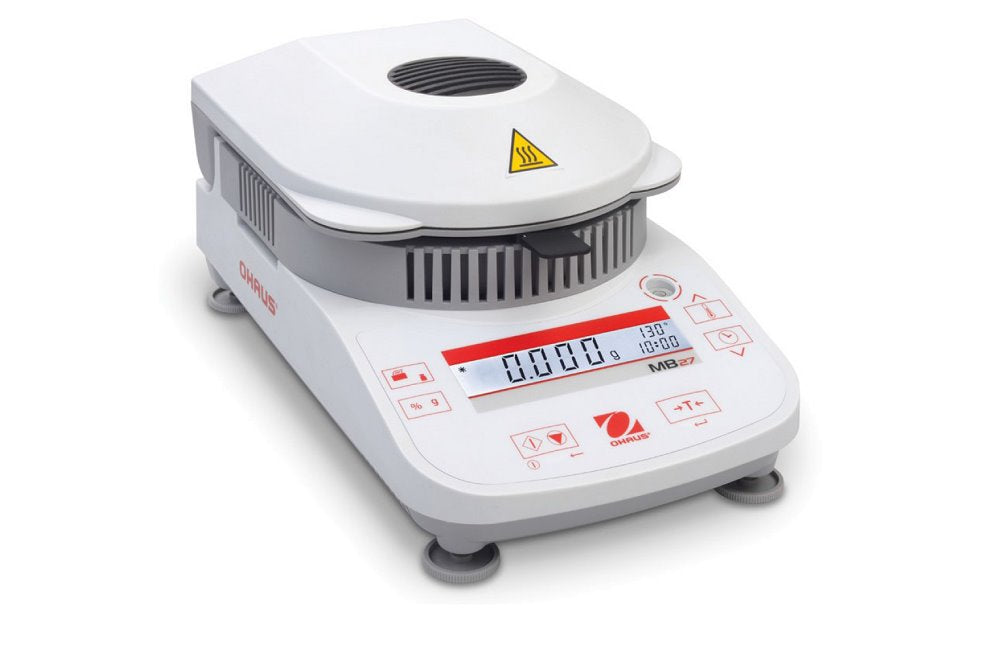
The type of balance you choose should align with your specific analytical balance applications. Mechanical balances, such as the classic two pan balance, utilize a centered pivot joint and prism-formed knife edges to provide accurate measurements, making them suitable for certain traditional laboratory tasks. In contrast, electronic analytical balances, including electronic single pan balances and advanced models like the XPR automatic balance, use electromagnetic force compensation to achieve high accuracy and fast, precise measurements. For specialized needs, options like semi-micro balances, triple beam balances, and moisture balances offer tailored solutions for weighing small samples or determining moisture content.
Advanced features can also make a significant difference in daily laboratory operations. Internal calibration and automatic calibration functions help maintain accuracy with minimal effort, while removable stainless steel pans and filter weighing capabilities add convenience and versatility. When working with highly sensitive samples, features such as a well-designed weighing pan and a secure draft shield door are crucial for minimizing errors and ensuring consistent results.
To provide accurate measurements, always follow a proper weighing procedure, including the use of standard weights for calibration and regular maintenance of your balance. A stable environment, free from air currents and temperature extremes, is key to achieving precise measurements. By carefully considering factors such as maximum capacity, environmental influences, and the specific features required for your applications, you can select the right analytical balance to meet your laboratory’s needs.
Understanding terms like electromagnetic force, types of analytical balances, weighing chamber, and precision instruments will further help you make an informed decision. Whether you’re focused on sample preparation, quality control, or research, choosing the ideal balance with the right combination of features and accuracy will ensure your laboratory delivers highly accurate and reliable results every time.

Conclusion
-
Analytical balances are precision instruments used for accurate measurements of small masses in various fields.
-
Understanding the types of analytical balances, their applications, and their operation is crucial for achieving high-quality results.
-
Regular calibration and maintenance are essential for ensuring the accuracy and precision of analytical balances.
-
By choosing the right analytical balance and following proper operation and maintenance procedures, laboratories can ensure accurate measurements and contribute to sustainable practices.
Frequently Asked Questions
What is an analytical balance, and how does it work?
An analytical balance is a high-precision lab balance (typically 0.0001 g / 0.1 mg readability) used to measure small masses accurately. Most modern units use electromagnetic force restoration: the balance applies a counter-force to keep the pan at “zero,” and converts that force into a mass reading.
How do I choose the right analytical balance for my application?
Start with your required readability and capacity, then check repeatability, linearity, minimum weight, and stabilization time for your typical sample size.
What are the common issues with analytical balances, and how can I troubleshoot them?
Most problems are unstable or drifting readings caused by air drafts, vibration, static, temperature swings, or an unlevel balance—close the draft shield, re-level, move away from vents, and let it warm up. If readings are consistently off, clean the pan/chamber, re-calibrate, and verify with a known check weight.